Installation Process and Operating Principle
In today's business world, offices are not just workspaces; they are also centers for data, human resources, and tangible assets . Therefore, office security is no longer a luxury, but a necessary infrastructure investment . Security camera systems are one of the most critical components of this infrastructure.
This article clearly and understandably explains why security camera systems are necessary in offices , how they work , and what to consider during the installation process .
Why are security camera systems necessary in offices?
In office environments, camera systems are not only used to prevent theft. A properly planned system;
-
It improves employee safety.
-
It prevents unauthorized access.
-
It provides evidence in potential disputes.
-
It supports work discipline and order.
-
Remote monitoring provides managers with control capabilities.
Camera systems provide preventative security, especially for open-plan offices, call centers, accounting departments, and archive areas.
How do security camera systems work?
IP-based camera systems are commonly used in offices. Their basic working principle is as follows:
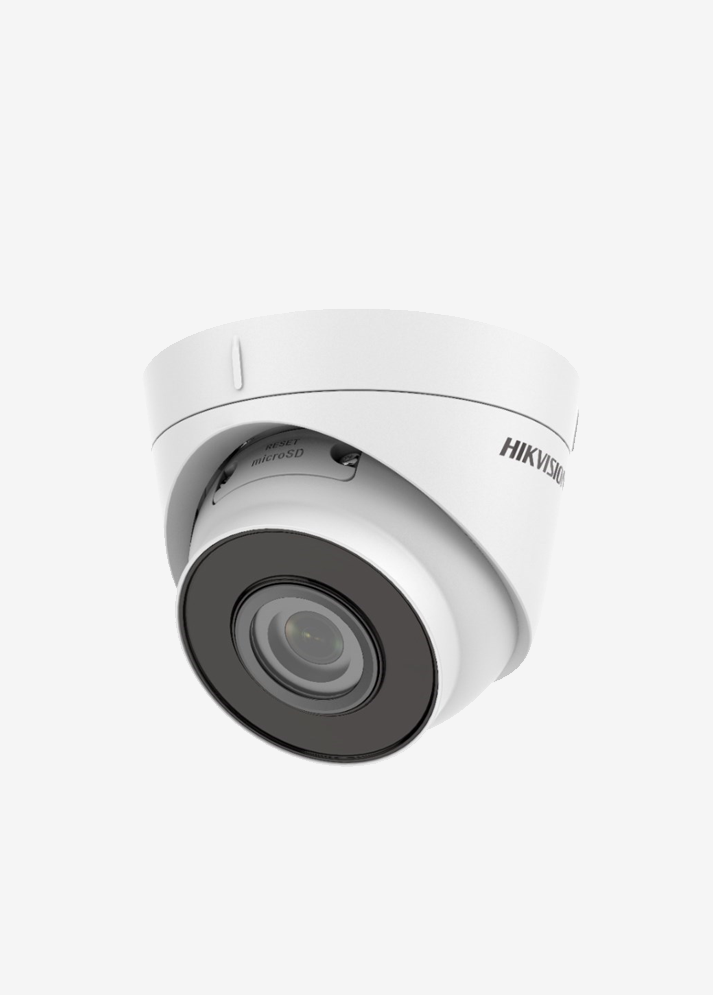
1. Cameras (IP Cameras)
Cameras placed inside the office capture the image digitally.
-
Dome cameras (indoor)
-
Bullet cameras (corridors and entrances)
-
Wide-angle cameras (open office areas)
2. Network Infrastructure
The cameras connect to the network via Ethernet cables .
-
With a PoE switch, both power and data are transmitted through a single cable.
-
It can be integrated into the existing network infrastructure.
3. Mobile Recording Device (NVR)
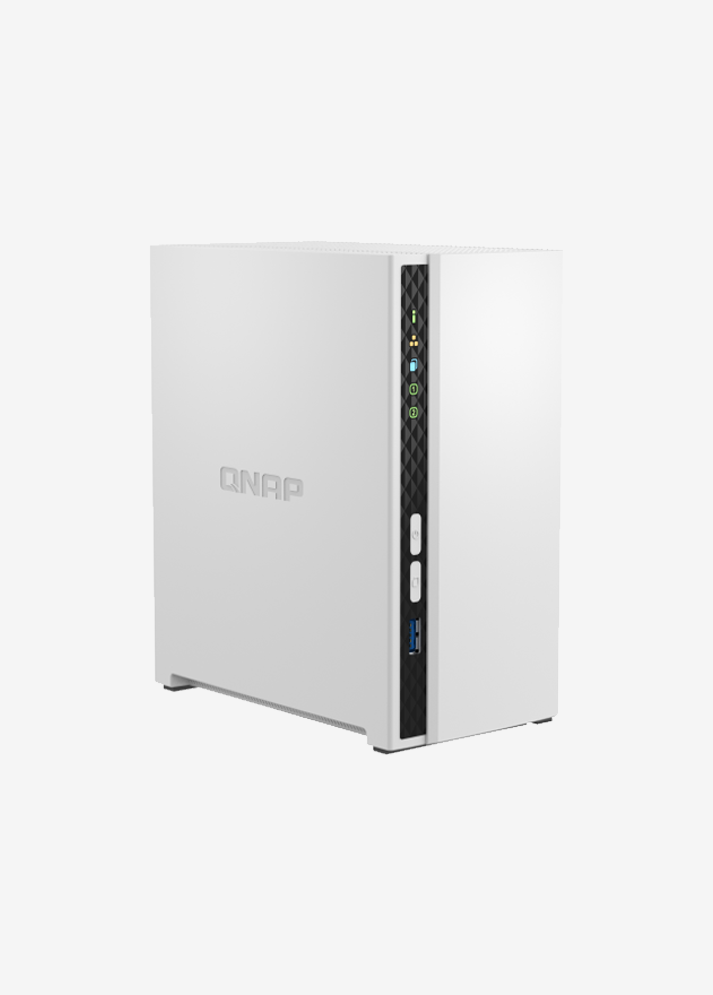
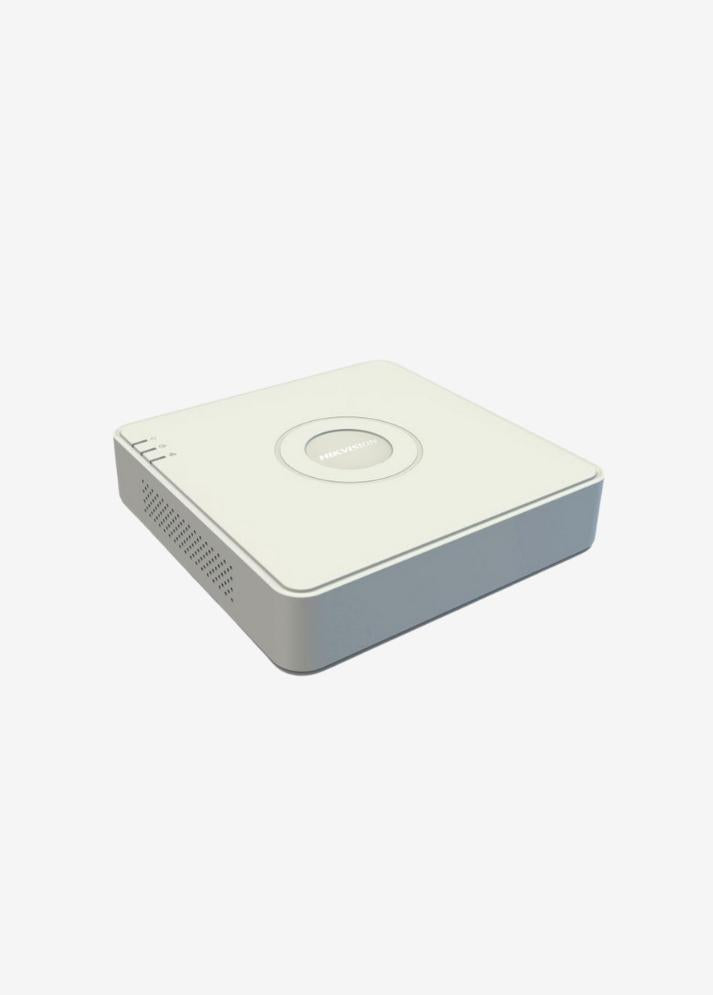
All camera footage is recorded on the NVR (Network Video Recorder) .
-
24/7 or motion-activated recording
-
Daily/weekly/monthly archiving
-
Backup and remote access
4. Monitoring and Management
Authorized users;
-
Computer
-
Mobile phone
-
Tablet
They can access live or past footage through it.
How to Install Cameras in Offices?
A professional camera installation begins with a site survey and ends with testing.
1. Discovery and Needs Analysis
-
The office plan is reviewed.
-
Blind spots are identified.
-
Entrance and exit points, safe and archive areas are designated.
-
The number of cameras and their resolution are planned.
2. Choosing the Right Camera
-
Aesthetic dome cameras for interior use.
-
Wide-angle lenses for wide areas.
-
Night vision models for low-light areas.
3. Wiring and Installation
-
CAT6 or CAT5e cabling
-
Clean plumbing systems inside the ceiling or in the duct.
-
Correct adjustment of the camera's viewing angle.
4. Registration and Software Settings
-
Recording time and resolution settings
-
Motion detection zones
-
User authorizations
5. Testing and Delivery
-
Live monitoring control
-
Recording playback tests
-
Remote access setup
-
Short training for the user
Things to Consider When Choosing Office Camera Systems
-
GDPR compliance : Camera warning signs informing employees must be used.
-
Audio recording should not be done (it poses a legal risk).
-
Cameras should not point into private areas (toilets, changing rooms).
-
Records must be kept confidential from unauthorized persons.
Security begins with proper planning.
Security camera systems in offices are installed not only to record events after they happen, but also to prevent incidents from occurring in the first place . With the right assessment, the right product, and professional installation, camera systems can:
-
Trustworthy
-
Scalable
-
Long-lasting
It becomes an investment.
If you want to plan a measurable, legally compliant, and professional camera system for your office, you must start with a proper analysis.