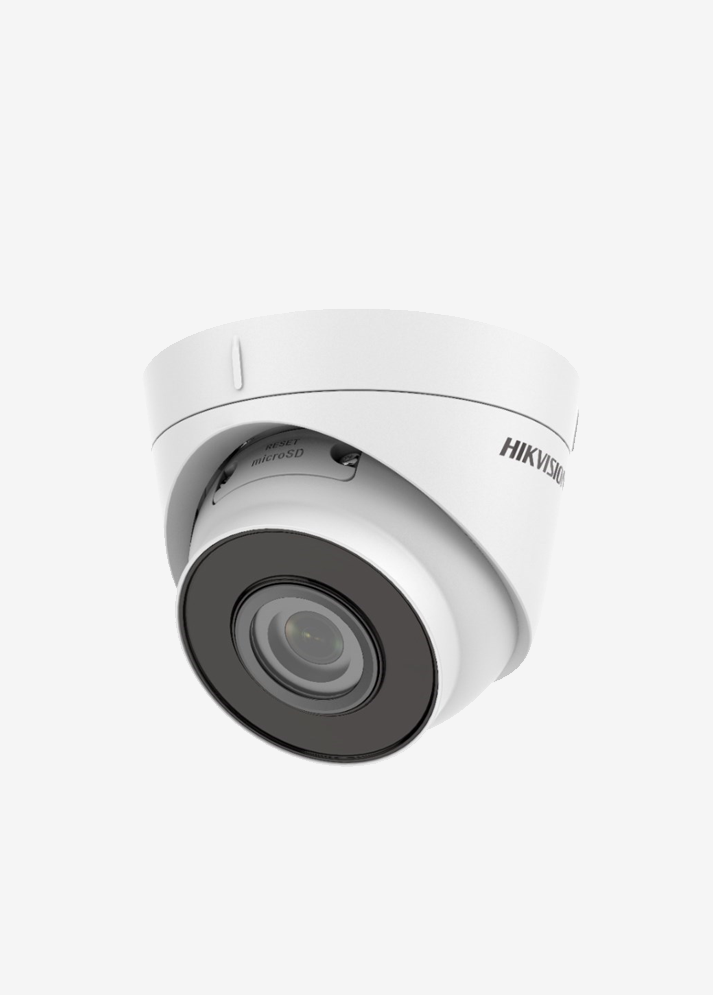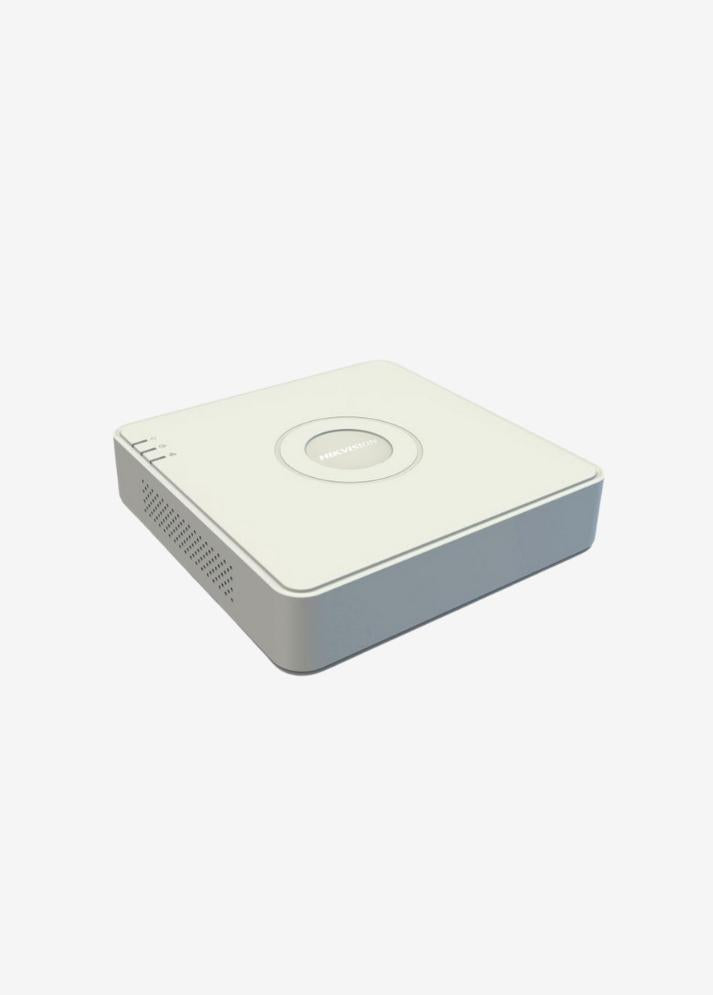
Choosing the right UPS is crucial to ensuring your CCTV cameras and recording equipment operate 24/7 during power outages . A UPS is not only used to provide power for a period during a power outage, but also to protect against voltage fluctuations and ensure system continuity .
Below you will find a practical and sales-oriented UPS selection guide for CCTV systems 👇
1️⃣ Why should you install a UPS with your CCTV system?
-
📌 Cameras and NVR/DVRs will not turn off when the power is cut off.
-
📌 Critical events are recorded continuously.
-
📌 Voltage fluctuations do not damage devices.
-
📌 No security breach occurs, no evidence is lost.
If the camera system operates without a UPS:
✔ Recordings stop
✔ A security vulnerability is revealed.
✔ events are missing
2️⃣ Identify the devices to connect 📋
The first step in selecting a UPS is to identify all the devices that will be connected to it :
-
🎥 Cameras
-
📼 NVR / DVR
-
🌐 PoE switches or power adapters
(Note: Connecting additional devices such as monitors to the UPS will rapidly reduce the charging time.)
3️⃣ Calculate the Total Power Requirements
To choose the right UPS size, you need to know the total power consumption of the devices that will be connected to the system.
-
Add up the wattage of the devices.
-
Add a 20-25% safety margin (for growth & fluctuations)
👉 This total value is a key criterion in selecting the VA capacity of a UPS.
Example: In a system with 4 cameras, a medium-sized UPS is sufficient because the average total power is lower, while systems with 8 cameras and an NVR require a higher VA.
4️⃣ How to Choose UPS Capacity (VA)?
UPS systems are generally identified by their VA (vacuum) rating .
-
500–1000 VA: Small systems (2-4 cameras)
-
1000–1500 VA: Medium-sized systems (6-10 cameras)
-
1500 VA+: Large systems or NVR + numerous cameras
💡 Example:
A 1500 VA UPS can provide backup power for 18-24 minutes in a 4-camera system; in an 8-camera system, it may take approximately 8-18 minutes.
5️⃣ What should the runtime be?
UPS operating time:
-
It will keep the system running during short outages.
-
It will safely stop recording during longer interruptions.
📌 Ideally, 10-20 minutes of runtime is sufficient for CCTV;
However, for longer outages, it may be necessary to consider a larger battery or a UPS with additional batteries .
6️⃣ UPS Type: Which one is suitable for CCTV?
👉 Line Interactive UPS — The ideal choice for most CCTV systems. It stabilizes voltage fluctuations with the AVR and offers a good cost/performance ratio.
👉 Online UPS — Provides a higher level of protection (surge + interruption) in very critical systems.
7️⃣ Additional Features to Note
🔹 AVR (Voltage Stabilization) – Protects cameras from voltage fluctuations.
🔹 Surge/Spike Protection – Prevents sudden current surges.
🔹 LCD/LED display – Shows remaining time and load information.
8️⃣ Mistakes Made When Choosing a CCTV UPS
❌ Choosing VA based solely on the number of cameras
❌ Connecting the monitor to the UPS and lowering the runtime
❌ Not taking battery life into account
❌ Ignoring voltage fluctuations
The right choice protects continuity, record integrity, and device lifespan all together.