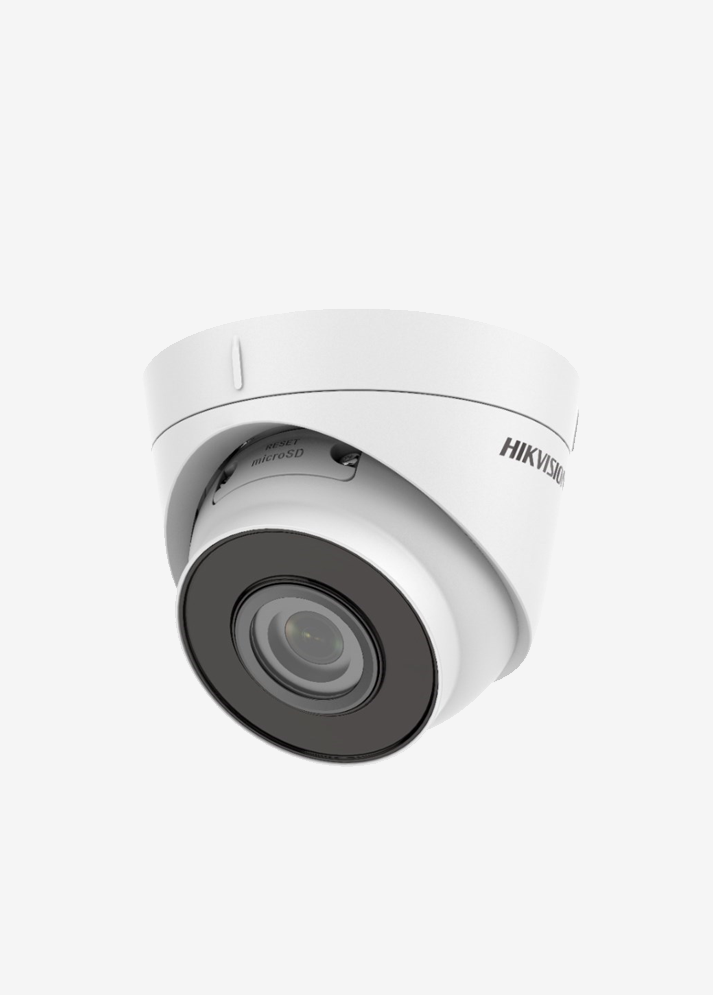
Warehouses are areas containing large quantities of stock, products, and equipment. They are often located outside of cities or in industrial zones and remain empty at night. Therefore, alarm system installation for warehouses requires a more comprehensive plan than standard workplace solutions. This article details how to install an alarm system for warehouses, which areas need protection, and what precautions should be taken.
Why are alarm systems critically important in warehouses?
Warehouses typically contain:
-
It has a high stock value.
-
They are large areas with multiple entrances.
-
It remains empty at night and on weekends.
This makes warehouses vulnerable to theft and sabotage. The alarm system detects these risks at an early stage.
Why is a preliminary site survey necessary before installing a warehouse alarm system?
Warehouses are structured differently than offices. Prior to installation, the following must be considered:
-
Area size
-
Ceiling height
-
Entrance and loading doors
-
blind spots
-
Camera infrastructure
It should be analyzed in detail.
Unannounced installation can lead to security vulnerabilities.
Which areas in warehouses should be protected?
The primary points to protect in a warehouse alarm system are:
-
Main entrance door
-
Loading doors
-
Rear doors
-
Windows
-
Office section (if any)
-
Critical stock areas
Loading doors, in particular, pose a high risk.
Which sensors should be used for warehouses?
Warehouse alarm systems typically include:
-
Magnetic door sensors
-
High-area motion sensors
-
Glass break detectors
-
Shutter sensors
-
GSM-enabled alarm panel
It is used.
In large areas, the sensor's field of view must be planned correctly.
How to Choose a Motion Sensor for High-Ceiling Warehouses?
Standard motion sensors may not be sufficient for areas with high ceilings. Therefore:
-
Long-range sensors
-
Industrial type detectors
should be preferred.
Choosing the wrong sensor can create a blind spot.
Should alarm systems be used in warehouses in conjunction with cameras?
Absolutely yes.
Alarm and camera integration in warehouses:
-
It starts recording video when the alarm is triggered.
-
It provides evidence of the event.
-
It offers remote monitoring capabilities.
This is especially critical for businesses involved in logistics and inventory tracking.
Why are GSM-enabled alarm systems important in warehouses?
Warehouses are often:
-
In industrial areas
-
Outside the city
-
In weak internet infrastructure
It is located there.
Therefore, a GSM-enabled alarm system ensures that notifications are sent even if the internet connection is interrupted.
What to do in case of a power outage?
Must be in the warehouses:
-
High-capacity battery
-
UPS support
-
GSM redundant communication
should be included.
The system must continue to operate in the event of sabotage or interruption.
How long does it take to install an alarm system in a warehouse?
Installation time varies depending on warehouse size:
-
It may take between one and two days.
Planning and testing time may be longer in large areas.
Does an alarm system offer an advantage in terms of insurance?
Yes.
Insurance companies offer protection against alarm systems in warehouses equipped with such systems.
-
More favorable premium
-
broader coverage
can offer.
This can reduce operating costs in the long run.
The Most Common Security Mistakes in Warehouses
-
Simply protecting the office space.
-
Neglecting the loading doors
-
Using inadequate sensors
-
Not performing a GSM backup
These errors create serious security vulnerabilities.