
Today, security cameras play a vital role in protecting property, preventing crime, and detecting incidents in many settings, from individual residences to large-scale businesses. However, the effectiveness of these critical systems is directly related to regular maintenance and prompt and accurate response in the event of malfunctions. This is precisely where the "Camera Systems Maintenance and Repair Technical Specification" comes into play, laying the foundation for ensuring the sustainability of security investments and maximizing their benefits.
If you need a one- year monthly camera maintenance agreement, please contact us.
A technical specification is, in essence, a document that clarifies the expectations between the service recipient (Administration) and the service provider (Contractor), establishes a legal basis, and outlines the service framework. A maintenance and repair specification specifically designed for camera systems covers a wide range of details, from the periodicity of system inspections to the timeframe for intervention in the event of a malfunction, to the quality of the spare parts to be used and the required competencies of the technical personnel.
Why is a Detailed Technical Specification Vital?
A well-prepared technical specification offers a number of advantages for both parties. From an administrative perspective, it:
- System Continuity: By ensuring regular maintenance and rapid repair, uninterrupted operation of security systems is ensured, thus minimizing the risk of security vulnerabilities.
- Cost Control: Preventive maintenance prevents major breakdowns and reduces long-term repair costs. A fixed maintenance agreement provides predictability in budgeting.
- Quality Service Expectation: Clearly stating the qualifications of the technical personnel and the scope of the service to be provided helps ensure the quality standard expected by the Administration.
- Transparency and Accountability: Maintenance and repair work performed is documented with detailed reports, which increases transparency and ensures the Contractor's accountability.
From the contractor's perspective, a good technical specification is:
- Clear Job Description: Since the boundaries of the service to be provided and expectations are clearly defined, out-of-scope requests are prevented.
- Resource Planning: Personnel and material planning can be done more effectively thanks to information such as maintenance periods and intervention times.
- Fair Competition: In tender processes, all participants submit bids according to the same standards, creating a fair competitive environment.
- Customer Satisfaction: Service provided in a timely manner and in accordance with established standards increases customer satisfaction and forms the basis of long-term business relationships.
Critical Elements That Must Be Included in the Technical Specifications:
An effective camera systems maintenance and repair technical specification should include the following basic elements:
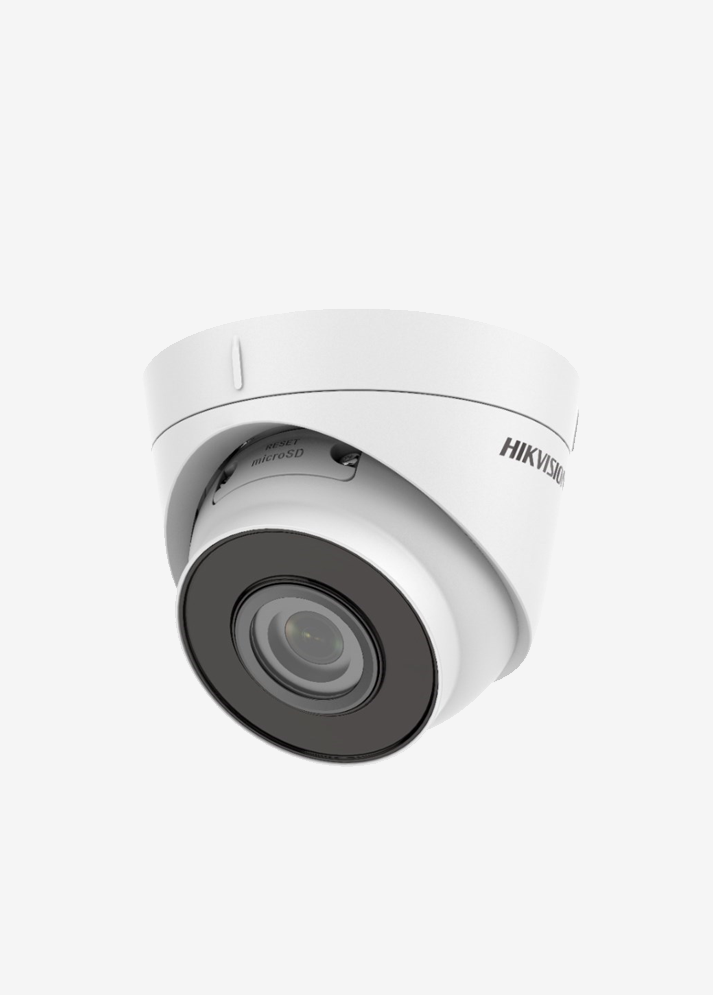
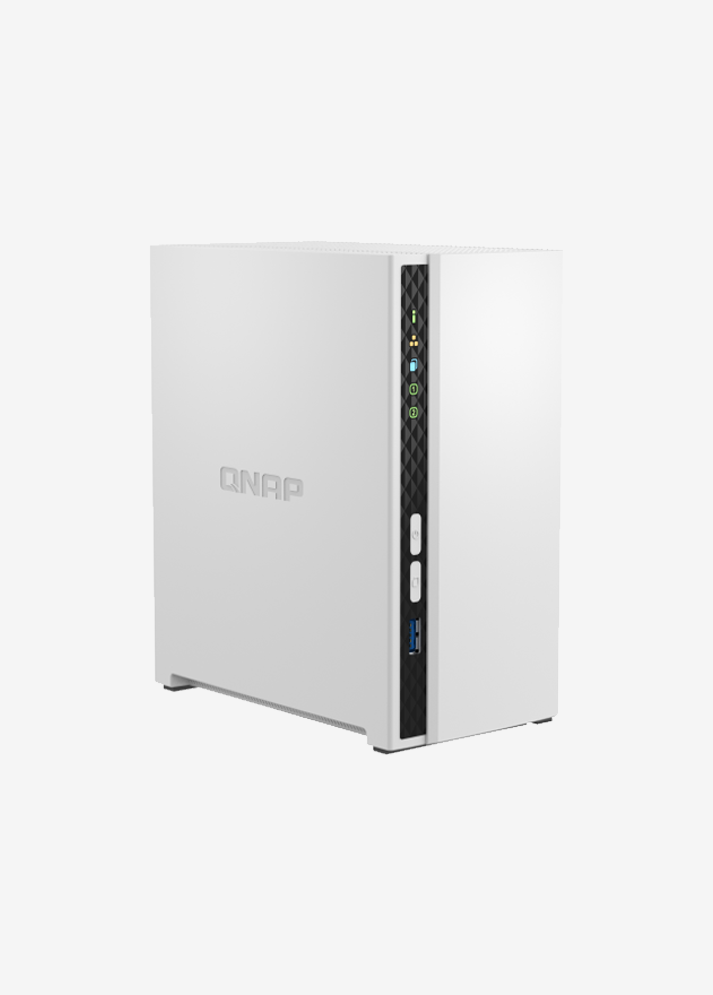
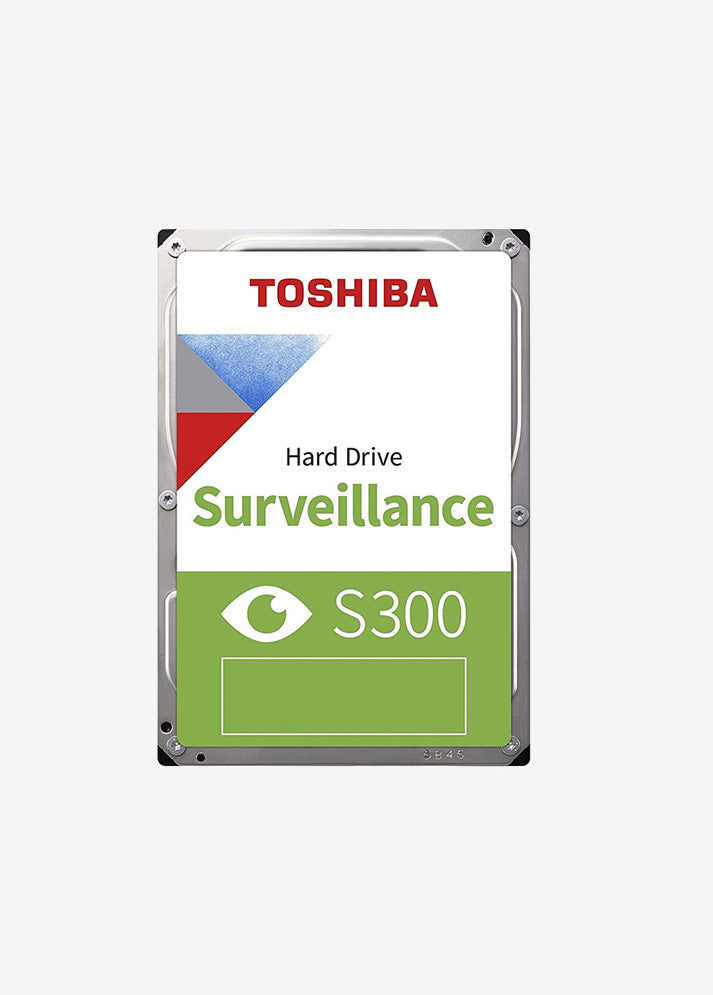
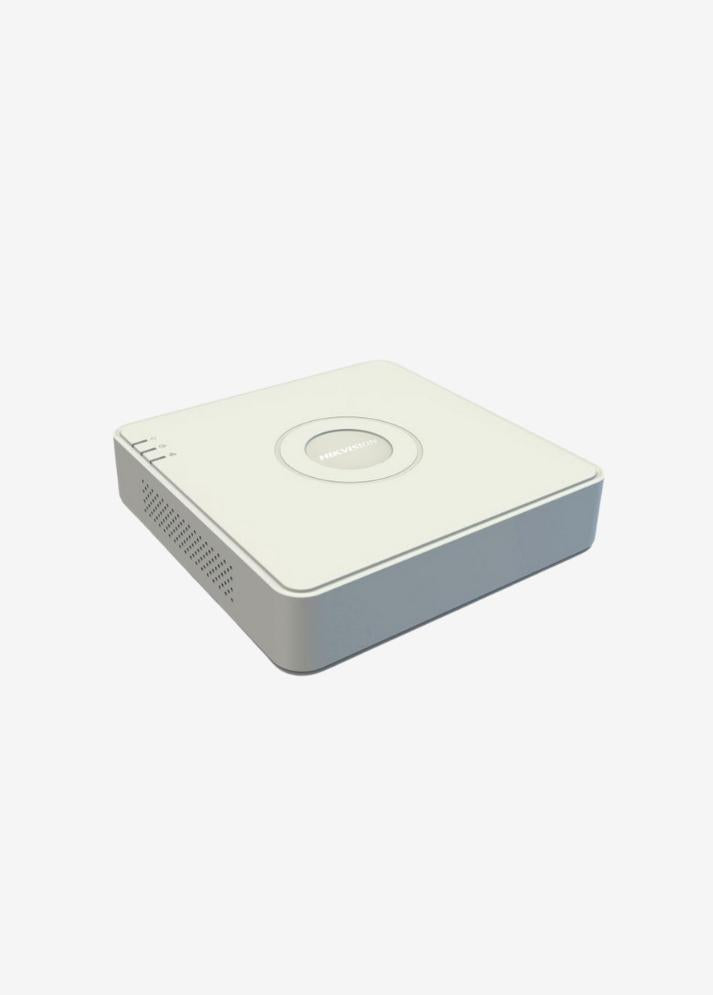
- Comprehensive System Description: A detailed list of all camera system components (brand, model, number, location, etc.) to be maintained and repaired.
- Detailed Maintenance Procedures: How often periodic maintenance will be performed and what operations will be performed during these maintenance (cleaning, checking, adjusting, software update checking, etc.).
- Fast and Effective Repair Process: Critical steps such as fault notification mechanism, intervention times, fault detection and repair processes, spare parts supply (responsibility and approval mechanism).
- Qualified Technical Personnel: The experience, training and certifications that the technical personnel to be assigned by the Contractor must have.
- Quality Spare Parts and Materials: The spare parts to be used must be original or of equivalent quality and the approval processes.
- Transparent Reporting: Providing regular and detailed reports on maintenance and repair work.
- Service Level Agreement (SLA): An SLA that includes performance targets such as response times, resolution times, and system uptime percentage, especially for critical systems.
- Penalty Clauses: Sanctions to be applied in case the contractor fails to fulfill its contractual obligations.
- Confidentiality and Security: Provisions regarding access to systems and the confidentiality of data obtained.
- Occupational Health and Safety: Occupational health and safety standards that the contractor and its personnel must comply with.
Camera systems are an essential part of modern security. The effective and continuous operation of these systems is only possible with a well-prepared and meticulously implemented maintenance and repair technical specification. A detailed and comprehensive technical specification not only meets the expectations of the service recipient but also provides a clear roadmap for the service provider. It's important to remember that security is not just an investment; it's also a process that requires continuity, and a sound maintenance and repair agreement is one of the most important cornerstones of this process. Therefore, every institution and organization investing in camera systems should take care to prepare a high-quality technical specification that will guarantee their security.
If you need the latest Security Camera Specifications, request a free sample from us now.