Fire poses a grave danger to both life and property. Therefore, ensuring that buildings are fire-safe is not just a matter of preference but a legal obligation . This is where the most important document comes into play: the Regulation on the Protection of Buildings from Fire , commonly known as the Fire Regulation .
In this article, we explain in detail what fire regulations are, who they cover, which areas they set rules for, and why they are so important.
📜 What is Fire Regulation?
Regulation on the Protection of Buildings from Fire is a piece of legislation published and implemented by the Ministry of Environment, Urbanization and Climate Change in Turkey, which aims to make buildings safe against fire .
It was first published in 2002 and updated in 2009, 2015 and finally 2021 in line with changing technologies and needs.
🎯 What is the Purpose of the Regulation?
-
To prevent fire from breaking out
-
To delay the spread of a fire if it breaks out
-
To minimize loss of life and property
-
Making the evacuation process safe
-
Providing infrastructure suitable for firefighting intervention
🏢 Which Buildings Are Subject to This Regulation?
The regulation applies to all types of structures, including residences, shopping malls, factories, hotels, hospitals, schools, public buildings, high-rise buildings, sites, dormitories, and warehouses.
Exceptions:
-
Industrial facilities may have special regulations
-
Some types of buildings, such as village houses, may be exempt
🧯 Basic Topics in Fire Regulations
1. Fire Detection and Alarm Systems
-
It specifies which types of detectors should be used in residences, hotels and factories.
-
The necessity of an addressable or conventional system varies depending on the type of building.
2. Fire Extinguishing Systems
-
In which buildings are automatic sprinkler systems mandatory?
-
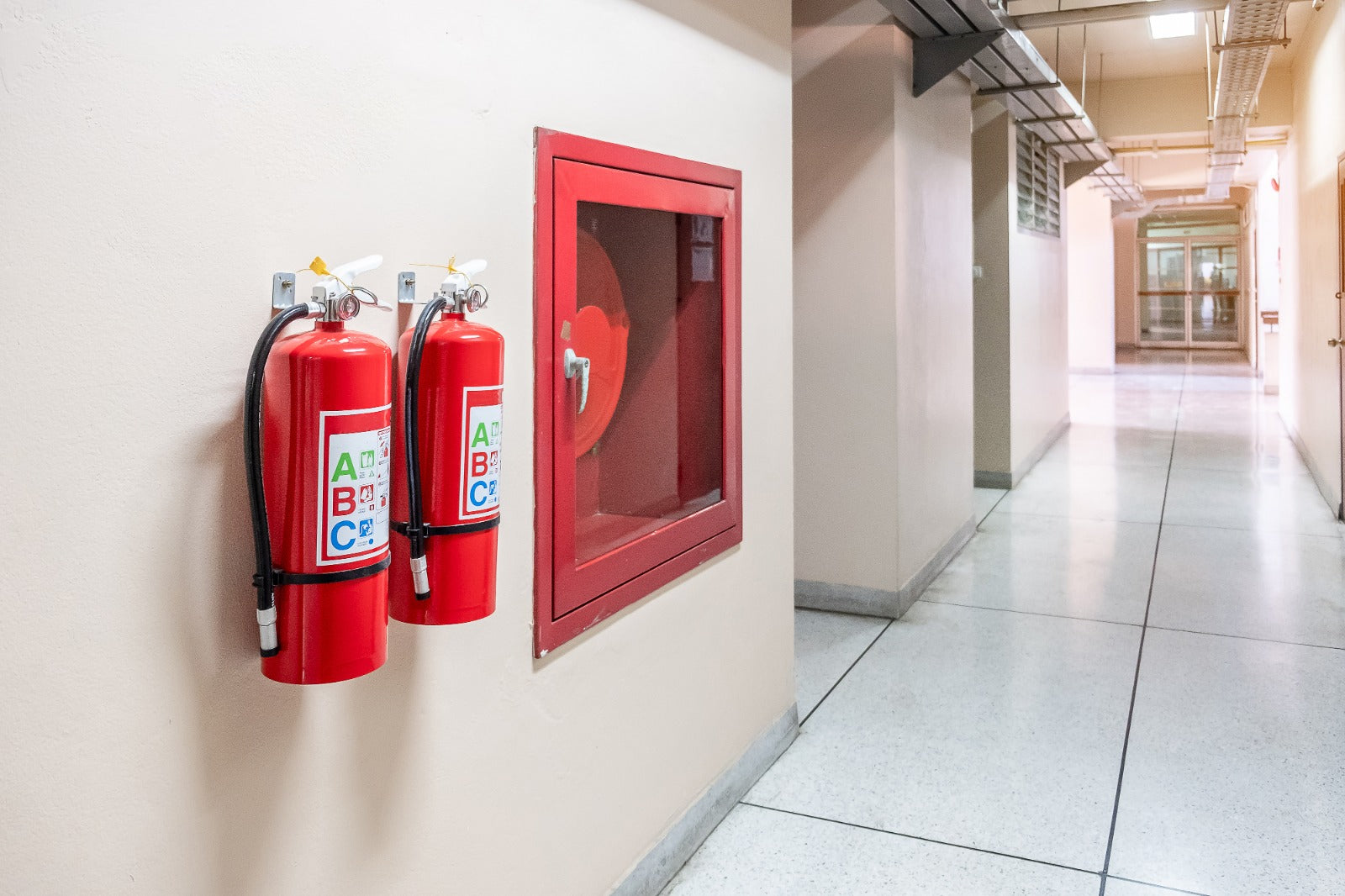
Where should fire cabinets and hydrants be located?
3. Escape Routes and Emergency Exits
-
It includes details such as the number of stairs, door width, and emergency exit directions.
-
Emergency guidance fixtures , lighting and smoke evacuation arrangements are made.
4. Fire Department Access and Response Opportunities
-
There are criteria such as fire routes , access to fire escapes , and a fire pump room around the building.
5. Fire Resistance and Material Selection
-
There is a fire resistance period (e.g. 90 minutes) requirement for walls, ceilings and doors.
-
Severe restrictions have been placed on the use of flammable materials.
6. Special Provisions for Residences, Dormitories and Mass Buildings
-
For example, a fire alarm system is mandatory in apartments over 4 floors.
-
Both alarm and automatic extinguishing systems are required in dormitories and guesthouses.
⚖️ What Happens If Fire Regulations Are Not Complied With?
-
Municipality license is not granted
-
Building occupancy permits may be suspended
-
The insurance company may not pay compensation in the event of a fire.
-
If there is loss of life or property, legal action will be taken against those responsible.
-
Fire department reports may yield negative results
🛠️ Who Enforces Fire Regulations?
-
Compliance with fire regulations is checked in architectural and mechanical project drawings.
-
The fire department examines and approves projects.
-
Building inspection companies check compliance with regulations on site.
-
Fire report and certificate of conformity are required at project delivery.
💡 Common Mistakes
-
Use of inappropriate detector (wrong type, installation in wrong location)
-
Fixing the fire door / leaving it open
-
Keeping items, cabinets, and vending machines in escape routes
-
Lack of smoke evacuation in closed areas
-
Not checking tubes or cabinets in a timely manner
📌 Conclusion: Fire Regulations Save Lives
Fire regulations are not a formality; they are a life-saving guide designed to ensure life safety. Everyone, from architects and contractors to facility managers and building occupants, must read, understand, and implement these regulations.
Remember:
“Compliance with regulations is not costly, negligence is more expensive.”