Security is no longer provided solely by physical locks and keys. Alarm systems are bringing security into a digital realm thanks to internet connectivity, mobile applications, and smart integration features. This transformation both increases control and shortens intervention time.
Smart Panel and Mobile Application Integration
Modern alarm systems can be managed via a mobile application. User:
You can set up the system remotely.
You can check the alarm status.
You can receive instant notifications.
You can view past records.
This digital infrastructure makes security accessible at all times.
Instant Notifications and Data Tracking
Digital alarm systems during an incident:
Sends push notifications.
You can send an SMS or make a call.
Provides zone information.
All activities are recorded and can be analyzed retrospectively.
Cloud and Redundant Communications
Thanks to the GSM module and internet connection, alarm signals are transmitted digitally. The system can continue to operate even during power outages. This provides uninterrupted digital security.
Camera and IoT Integration
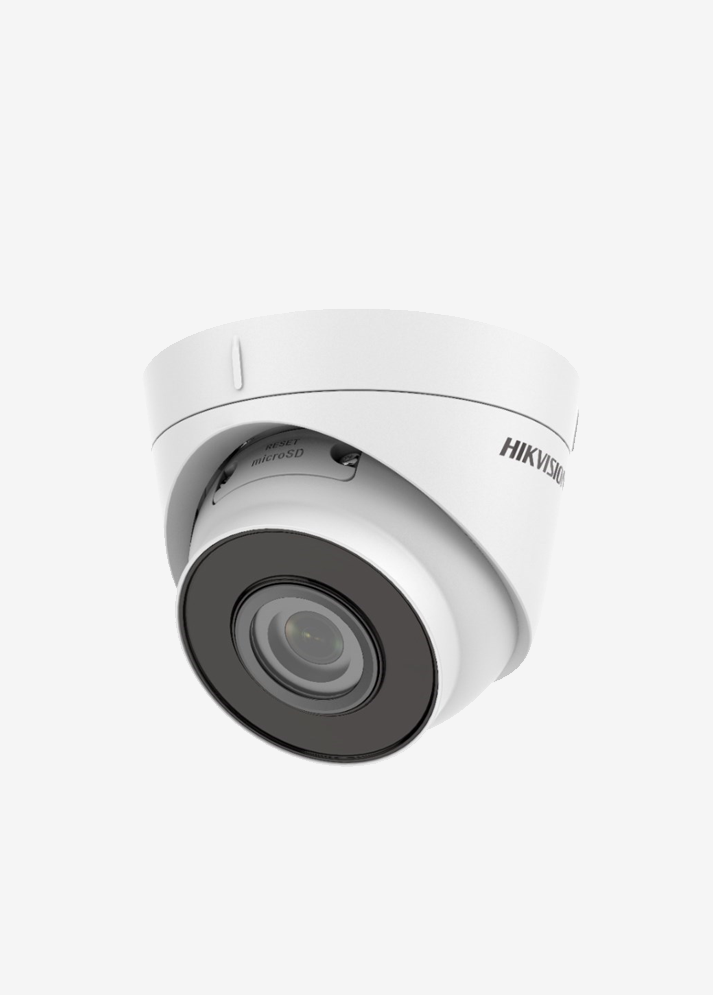
The alarm system can integrate with cameras, smart plugs, lighting, and other IoT devices. For example:
The lights may turn on when the alarm is triggered.
The camera can start recording automatically.
Certain scenarios can be activated automatically.
This automation makes security smarter.
Remote Management and Centralized Control
In businesses, multiple branches or areas can be managed digitally from a single panel. This centralized structure simplifies security operations.
Data Analysis and Reporting
Thanks to digital systems:
At what times does the trigger occur?
Which zones are active?
Which users made the transaction?
It can be analyzed. This strengthens risk management.
Transparency in Security
Thanks to digitalization, security is no longer an invisible process, but a measurable and traceable structure. This increases the sense of control.
Conclusion: Security is Now Smart and Manageable
Alarm systems digitize security, making it remotely manageable and analyzable. Early warning, automation, and data monitoring allow for more effective risk control. The future of security is being shaped by digital infrastructure.