
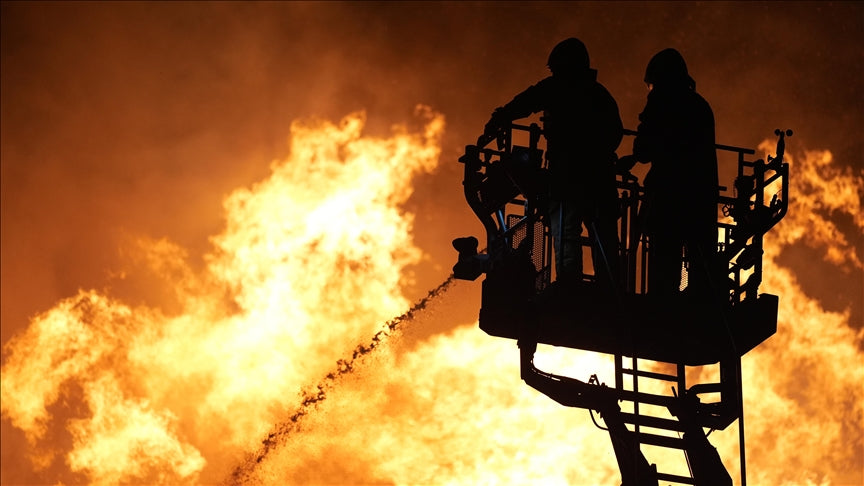
Fires are one of the most serious disasters that threaten life and property safety. One of the most crucial processes after a fire occurs is investigating its cause . Without a proper cause analysis, preventative measures will be inadequate, and the risk of similar incidents recurring continues. Therefore, post-fire investigations are of great importance not only from legal but also from technical and societal perspectives.
What is the cause of fire?
The cause of a fire is the factor that determines the conditions under which it started, the triggering factors, and how it spread. These factors can include electrical faults, human error, negligence, natural disasters, or deliberate actions. Identifying the source of a fire is a critical step not only for resolving the incident but also for planning future measures.
Fire Cause Investigation Process
Investigating the cause of a fire is a multifaceted process that requires expertise. This process progresses through the following steps:
-
Investigation of the Crime Scene
After the fire is extinguished, the scene is preserved. A detailed examination is conducted by firefighters, police, and experts. Details such as burn marks, melted materials, wiring connections, and the degree of burns are examined. -
Witness and Camera Records
Eyewitness accounts and security camera footage of the fire are included in the investigation. This data will help determine the fire's origin and its rate of spread. -
Technical Analysis and Laboratory Studies
Sometimes materials taken from the scene are examined in a laboratory. Technical analysis reveals traces of flammable materials, chemical reactions, or electrical short circuits. -
Reporting and Legal Process
All findings are compiled into a formal report, which forms the basis for insurance, litigation, and reconstruction plans.
The Most Common Causes of Fires
Fire outbreaks can occur for a variety of reasons. The most common factors include:
-
Electrical Faults: Short circuits, overloads and leakage currents.
-
Human Neglect: Cigarette butts, open stove, careless welding operations.
-
Improper Storage of Flammable Materials: Keeping chemicals, fuels or textiles in inappropriate areas.
-
Natural Factors: Lightning strike, extreme heat and drought.
-
Intentional Fires (Sabotage): It is one of the most emphasized factors in legal processes.
The Importance of Investigating the Cause of Fire
Investigating the cause of a fire provides benefits in many ways:
-
Taking Precautions for the Safety of Life and Property
The measures to be taken to prevent similar causes from recurring become clear. -
Insurance and Compensation Processes
The cause of a fire is critical for insurance companies. Payment processes are shaped by the cause. -
Legal Obligations
If the fire broke out as a result of intent, negligence or lack of security measures, those responsible will be identified. -
Corporate Reputation and Business Continuity
It is especially important for businesses to know the cause of a fire in order to strengthen security policies and ensure customer trust.
Preventive Measures for the Future
Fire cause investigations not only help understand what happened in the past but also help reduce future risks. Here are some precautions that can be taken:
-
Regular inspection of electrical installations,
-
Storing flammable materials under appropriate conditions,
-
Installation of fire detection and extinguishing systems,
-
Employees should receive fire safety training,
-
Keeping emergency exits and evacuation plans up to date.
Investigating the cause of a fire is a critical process for life safety, preventing economic losses, and ensuring justice . Precautions taken without addressing the root cause are insufficient. Therefore, every detailed investigation conducted by experts provides guidance for creating safer living and working environments in the future.