
Security is crucial for both property and personnel in commercial spaces like businesses, stores, offices, warehouses, and factories. Therefore, commercial security camera systems are more advanced, flexible, and scalable than typical home systems.
So, what exactly does a commercial camera system consist of, and what do they do? Here are the essential components of a commercial security system:
1. IP Cameras (Security Cameras)
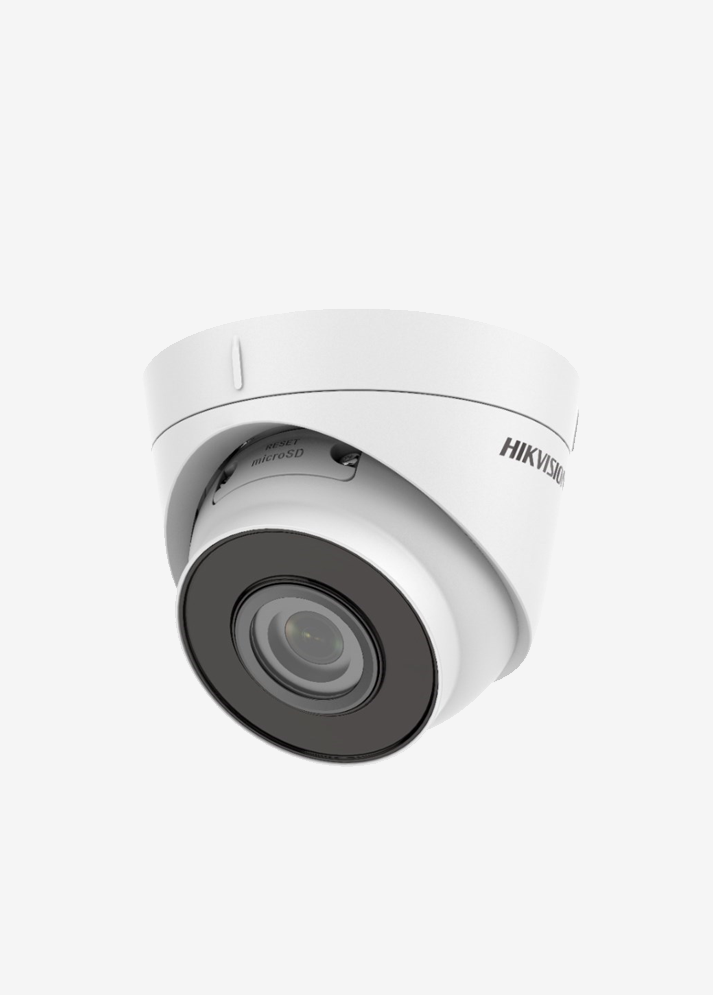
It's the heart of commercial systems. Different camera types are used depending on the characteristics of the area to be monitored:
📌 Common Camera Types:
-
Dome Camera: Ideal for aesthetic and narrow space monitoring indoors.
-
Bullet Camera: Provides longer distance viewing outdoors.
-
PTZ Camera: Cameras that can be rotated and zoomed remotely.
-
Fisheye Camera: Used to monitor 360-degree areas with a single camera.
-
Thermal Camera: Detects heat sources and provides early detection before fire.
📌 Technical Specifications:
-
Resolution (2MP, 4MP, 4K)
-
Night vision (IR/EXIR)
-
WDR (light-dark balance)
-
IP67/IK10 (weather and impact resistance)
2. Recorder (NVR / Server)
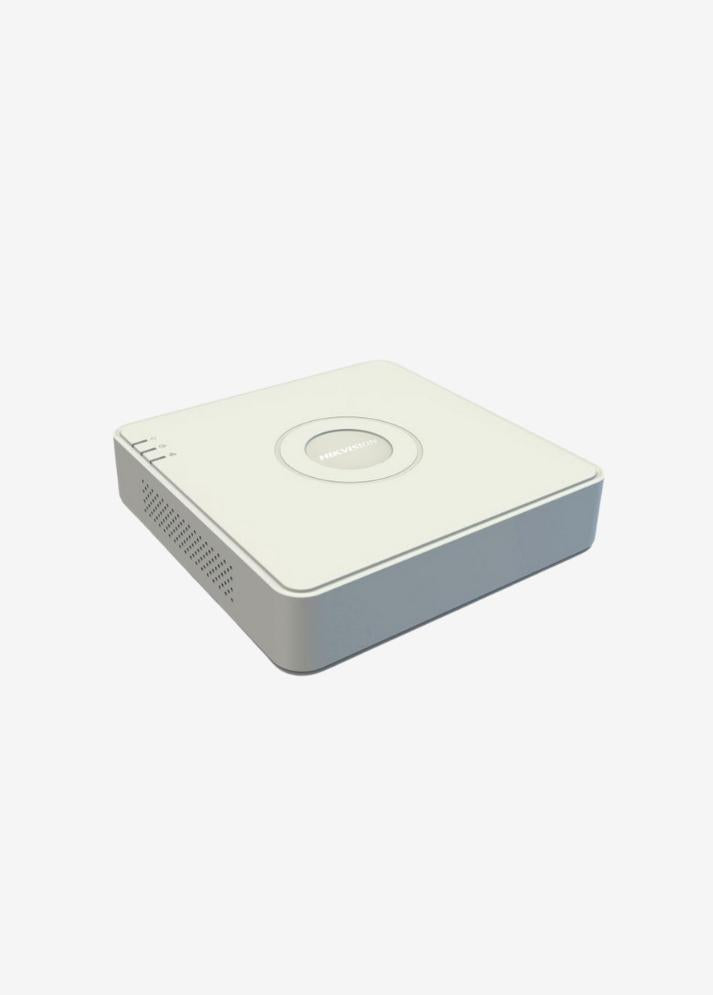
These are the devices where images are recorded and managed.
-
NVR (Network Video Recorder): Used for IP cameras.
-
Server Based Systems: Works with VMS (Video Management System) software in large-scale projects.
-
Recorders with RAID support increase data security.
🔐 Features:
-
24/7 recording
-
Motion recording
-
Remote access and management
-
Email / mobile notification
3. Network and Infrastructure Hardware
Since the number of cameras can be high in commercial systems, a robust network infrastructure is essential.
📌 Network Elements Used:
-
PoE Switch: The switch that provides both data and power to the cameras.
-
Router / Modem: Internet gateway for external connections
-
Cat6 / Cat7 Cabling: Quality cabling for high bandwidth
-
Fiber Converter / Media Converter: Data transfer over long distances
-
UPS: Ensures that the system continues to operate during power outages.
4. Monitoring and Control Screens
Screens and software used to monitor cameras in real time:
-
Monitors or Video Wall (multi-screen systems)
-
VMS Software: Multi-user support, map-based monitoring, event tracking
-
Mobile Application Support: Remote monitoring and notifications
5. Storage Unit (NAS / SAN / External RAID)
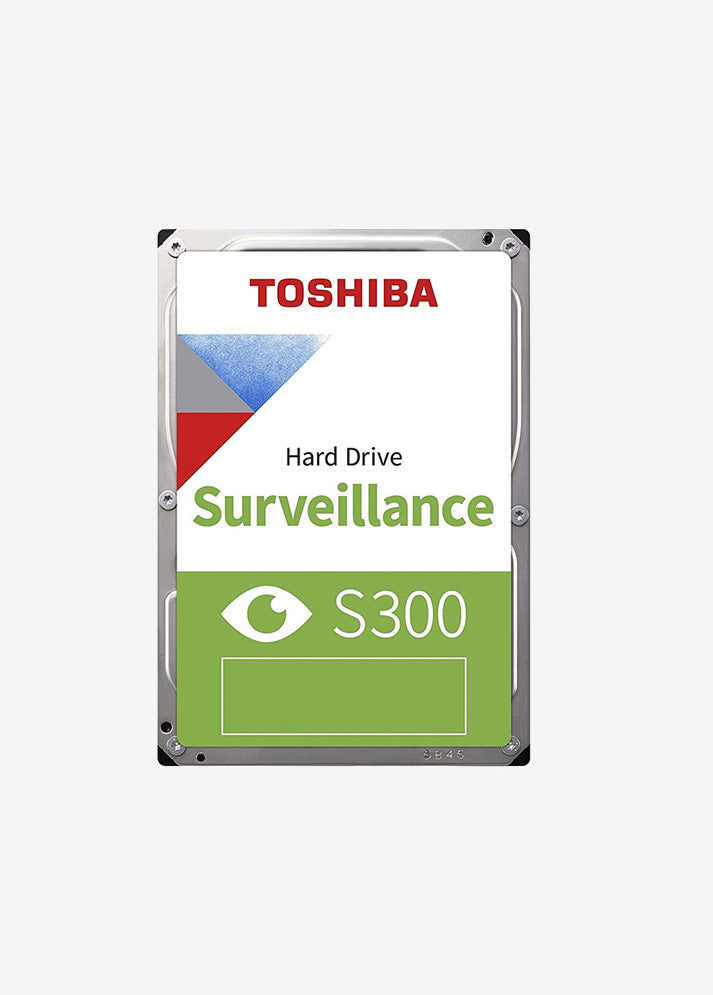
In commercial systems that require long-term recording, the internal hard disk of the NVR is not sufficient. Therefore:
-
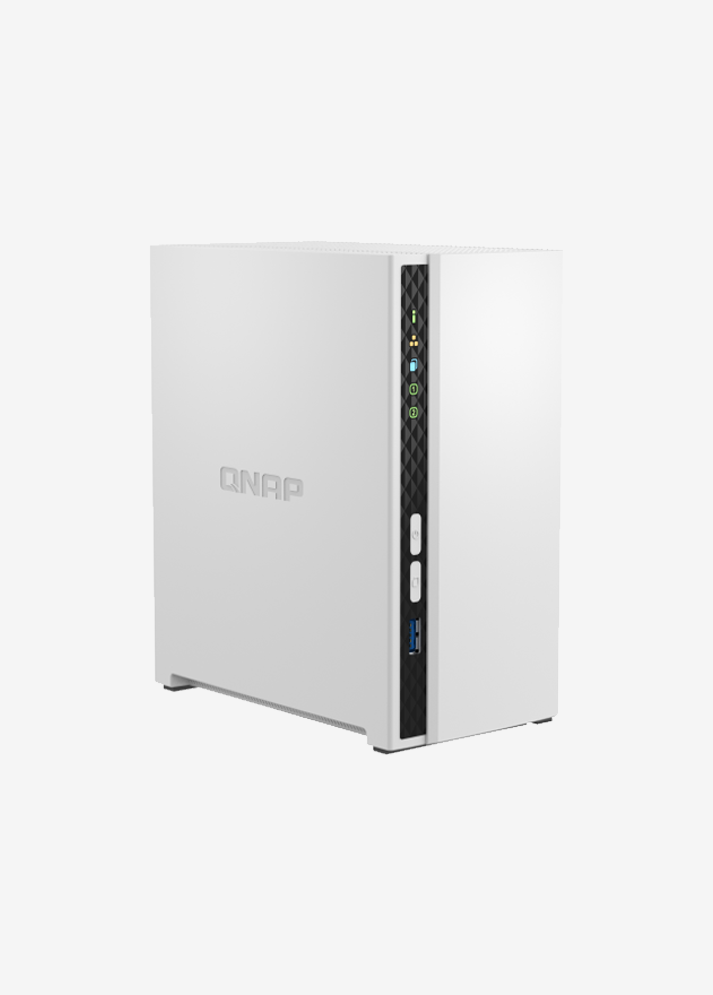
NAS (Network Attached Storage): Network accessible backup system
-
RAID Structure: Prevents data loss in case of disk failures
-
Time-Based Record Planning: For example, 30, 90 or 180 days of record keeping
6. Alarm and Sensor Integration
Camera systems work together with alarm systems to reduce incident response time:
-
Motion / Magnetic / PIR Sensors: Detects movement and starts recording
-
Audio Warning Systems: Can give an audio alarm at the time of an incident
-
Fire/Gas Sensors: Trigger the camera to focus on the incident area
7. Audio and Two-Way Talk Feature
Some IP cameras provide two-way communication with integrated microphone and speaker:
-
Input/output control
-
Visitor information
-
Voice response at the time of alarm
8. Security and Encryption Layers
Data security is critical in commercial systems:
-
Encrypted data transfer via HTTPS / SSL
-
Secure remote connection via VPN
-
IP filtering, MAC address restriction
-
User management and logging
9. Intelligent Video Analysis Features (Optional)
Incidents are detected more easily with AI-supported cameras:
-
Facial recognition
-
License plate recognition (LPR)
-
Territory violation
-
Border crossing
-
Object drop/disappearance analysis
10. Licensing and Software Integration
As the number of cameras in commercial systems increases, software licensing becomes more important:
-
VMS Software Licenses: License required per camera
-
ERP / Building Automation Integration: Can be integrated with security systems, access control and BMS
Conclusion: Commercial Security System is a Unified Security Ecosystem
A commercial security camera system is more than just cameras.
📌 It is the cornerstone of corporate security with its recording infrastructure, network structure, monitoring software, backup systems, analysis engines and integration capabilities.
A well-planned system;
✅ Rapid intervention,
✅ Production of evidence,
✅ Risk reduction,
✅ Work safety
It makes a great contribution to businesses in these areas.