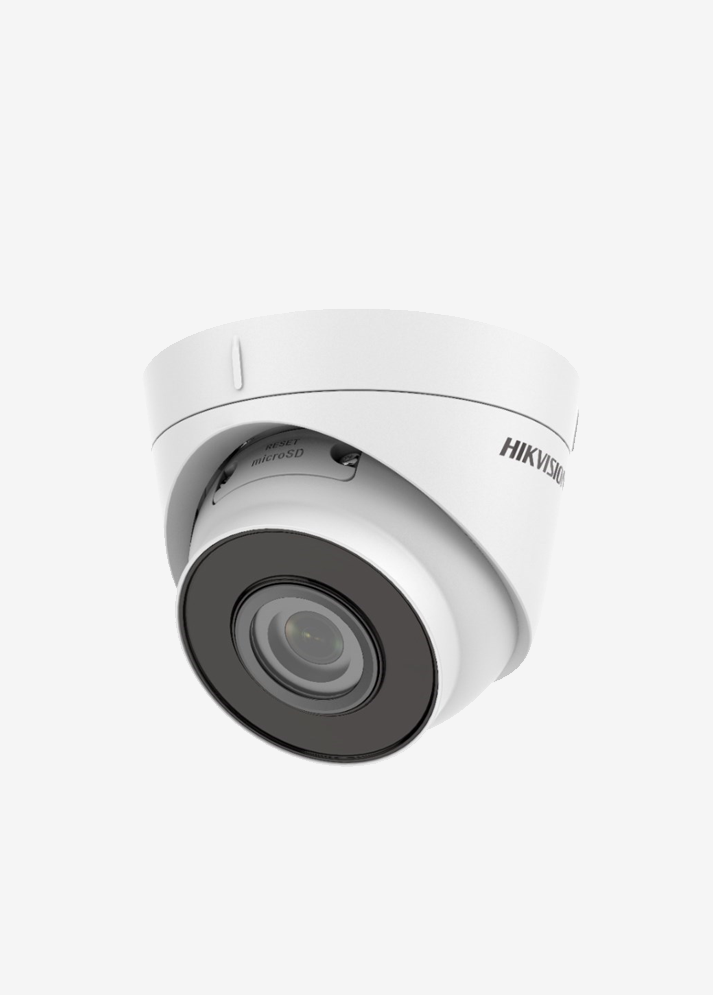

In security systems, cameras not only monitor the scene; they also acquire, process, compress, store, and transmit image and audio data. Each step in this process directly impacts the overall performance of the security system and the success of post-event analysis.
So how is this data collected, processed, and used? We explain it step by step below:
1. Collection of Image and Audio Data
The main task of camera systems is to detect the events taking place in the environment visually and audibly.
🔹 Image Collection:
-
Lens: Focuses the image onto the sensor.
-
CMOS/CCD Sensor: Converts light into digital signals.
-
Image Processor (ISP): Performs sharpness, color adjustment, contrast and light balance.
🔹 Sound Collection:
-
The microphone inside the camera detects ambient sounds.
-
The analog audio signal is converted into digital form and synchronized with the image.
📌 Some professional IP cameras also offer external microphone and speaker support.
2. Encoding and Compression
The collected image and audio data are in raw form before processing and thus take up a large amount of space.
🔹 Video Encoding:
-
H.264 / H.265 / H.265+: Video data is compressed and uses less storage space.
-
Smart Codec: Processes only moving areas, keeping the unchanging areas in the camera fixed.
🔹 Audio Coding:
-
AAC, G.711, G.726: Determines the quality and compression level of audio data.
-
Audio synchronization ensures consistency in recording and transmission.
📌 The combination of H.265+ and G.711 provides an efficient solution for both image and audio.
3. Timestamping of Data
Image and audio data are marked with a timestamp to understand when the event occurred.
-
NTP (Network Time Protocol): Synchronizes camera and recorder clocks.
-
Each frame and audio packet is recorded with date-time information with millisecond precision.
📌 Correct time stamping provides legal validity and evidence in incident analysis.
4. Recording and Archiving
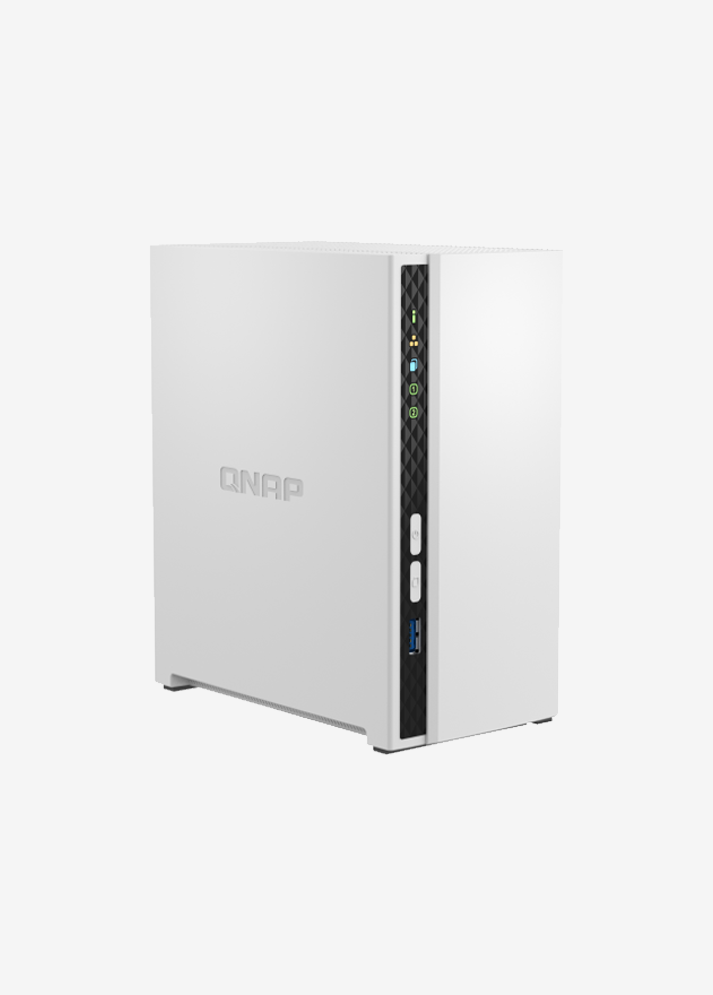
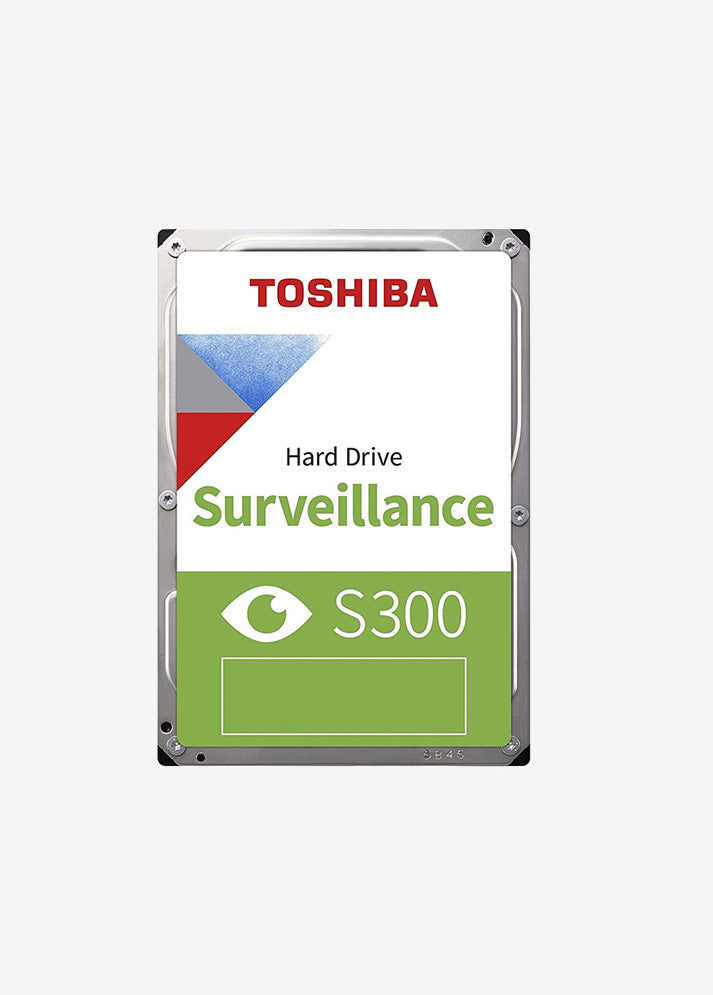
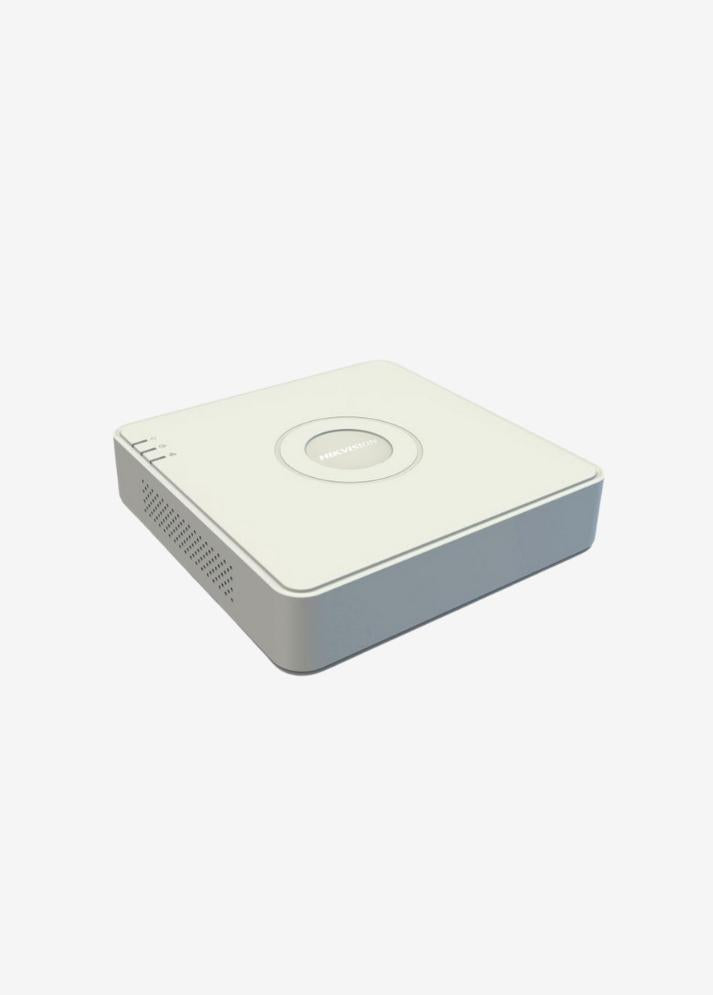
Processed image and audio data are stored in DVR/NVR devices or server systems.
Storage Details:
-
Redundant recording with RAID disk structures
-
Space saving with motion-triggered recording
-
Synchronous recording of image and sound (video playback with audio)
Record Format:
-
Video and audio are kept in one file with extensions such as .MP4, .AVI, .DAV
-
Player software processes this data synchronously
5. Remote Access and Monitoring
Processed image and audio data can be transmitted live or as historical recordings over the network.
Live Watch:
-
Video and audio are transferred via RTSP or HTTP
-
Voice communication (intercom) can be established from mobile devices with a microphone
History Record Monitoring:
-
Image + audio can be analyzed synchronously with VMS software.
-
Audio clarity plays a critical role when rewinding the event
6. Analysis and Processing with Artificial Intelligence
Image and audio data can be processed not only for monitoring but also for analysis :
Image Analysis:
-
Applications such as facial recognition, license plate recognition, and zone violation
-
Moving object tracking
-
Thermal analysis
Voice Analysis:
-
Detection of abnormalities such as glass breaking, shouting, alarm sounds
-
Noise analysis (in factories or hotels)
📌 Intelligent analysis systems can interpret not only camera but also audio.
Conclusion: Real Security is Provided When Image and Sound Are Processed Together
Processing of image and audio data from cameras;
✅ Provides real-time security management
✅ Provides fast and accurate intervention in incidents
✅ Creates valid records in legal and institutional processes
✅ Prepares the ground for video analytics systems
Systems that process audio and video together offer much more than traditional monitoring systems. Therefore, audio support and processing quality must be considered in system planning.