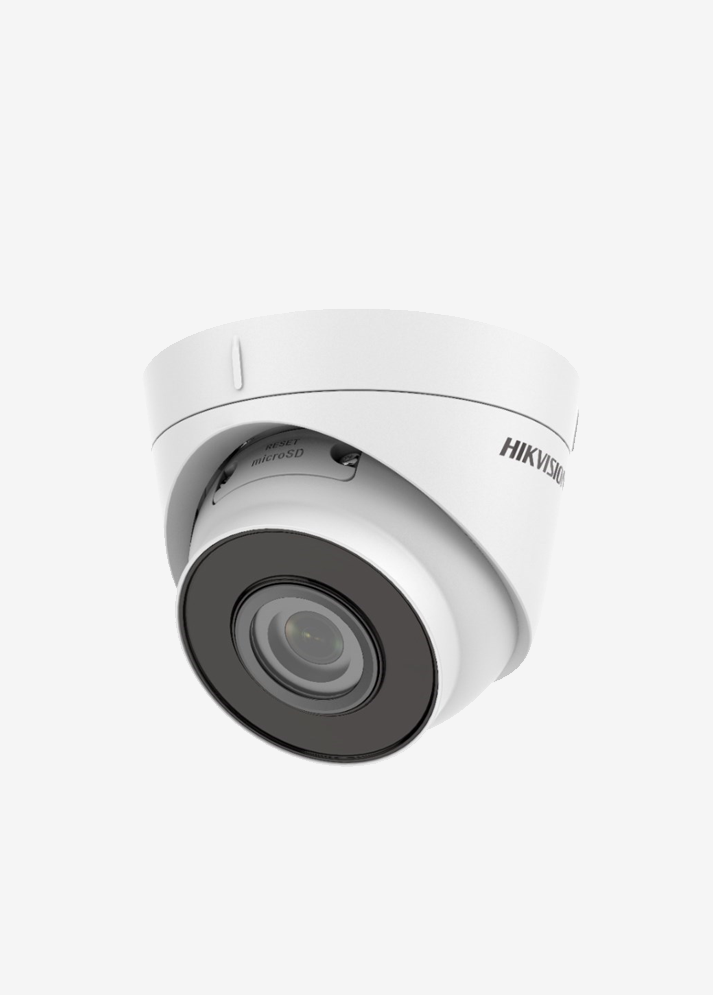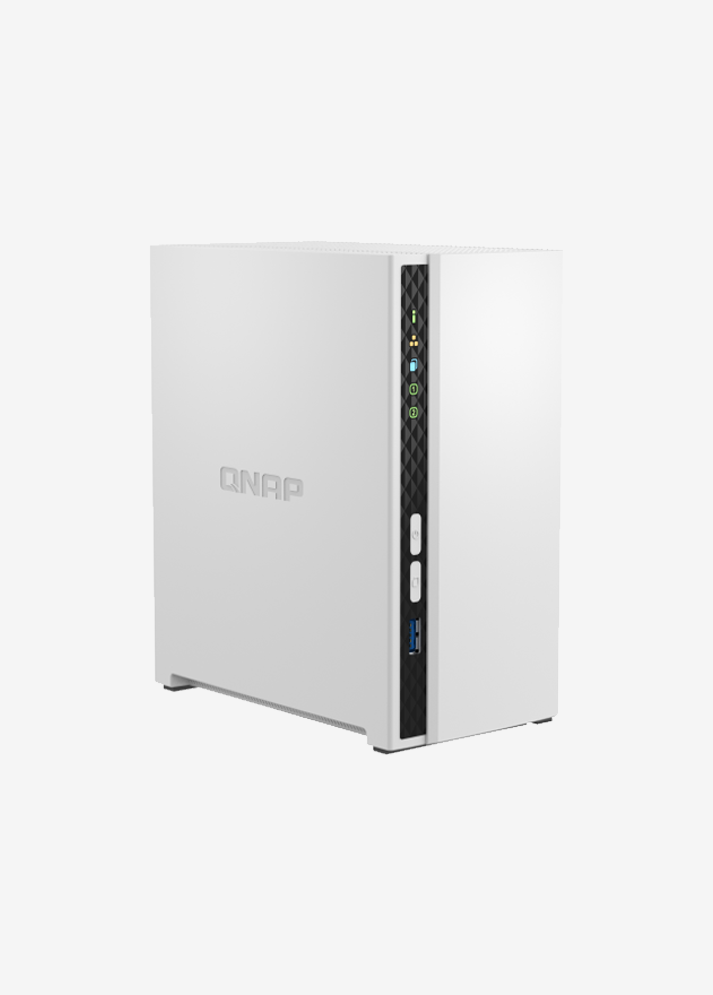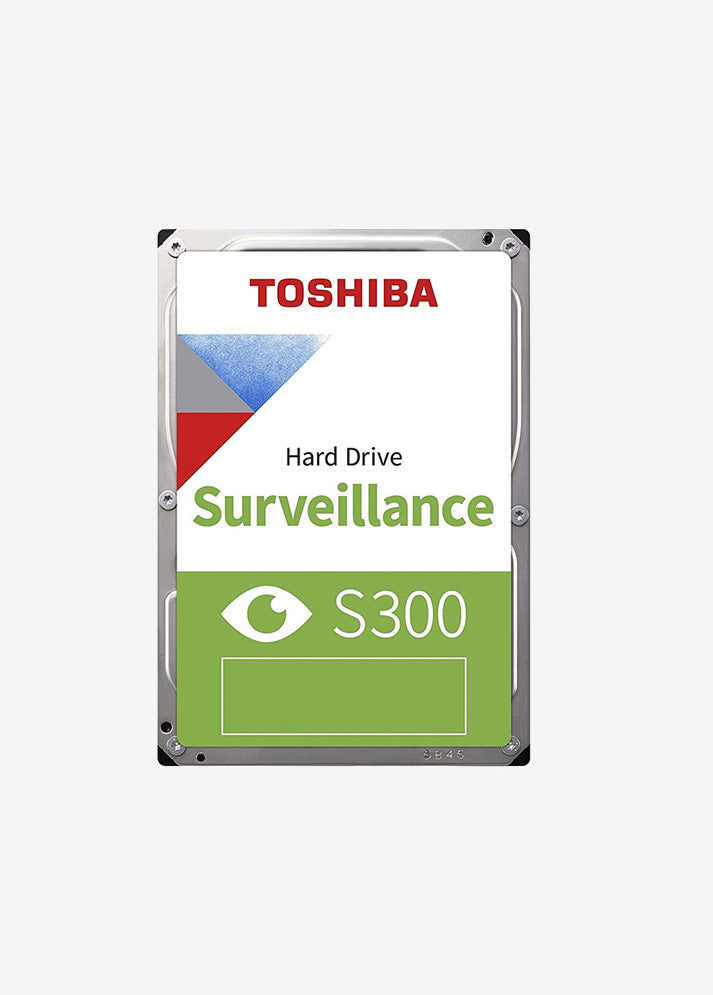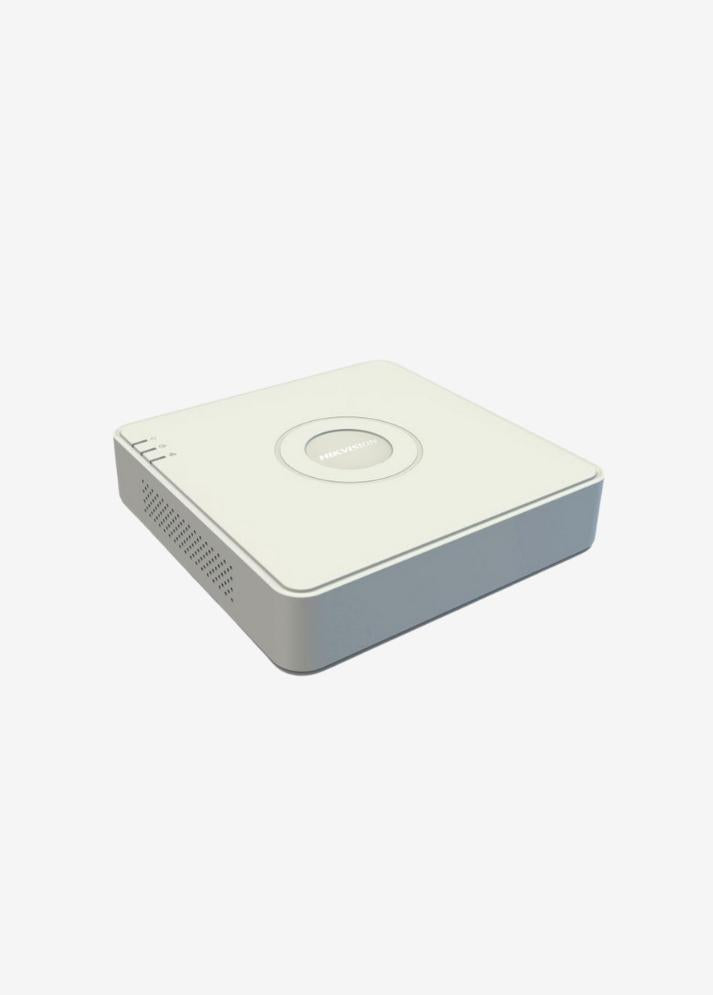

Security cameras are among the most fundamental systems used to monitor and protect an area. However, simply capturing images is not enough. What matters most is how that image is processed, recorded, and transmitted. These three stages— viewing, recording, and transmission —directly determine the performance and success of security camera systems.
Here are the details of these three basic processes:
1. Capture Phase
The security camera first receives light from the scene and converts it into a digital image.
📌 Basic Components:
-
Lens: Focuses the light and directs it to the sensor.
-
Image Sensor (CMOS / CCD): Converts light information into digital images.
-
Image Processor (DSP): Processes the image and adjusts the sharpness and color.
📌 Important Features:
-
Resolution: Values such as 2MP, 4MP, 8MP determine the image quality.
-
FPS (Frame Rate): 25–30 FPS provides a smooth image for the human eye.
-
WDR (Wide Dynamic Range): Balances bright and dark areas.
-
Night Vision: Recording can be done even in low light with IR LED, EXIR or color night vision technologies.
2. Recording Phase
The image from the camera is stored by sending it to the recording device (DVR/NVR) or server.
📌 Recording Devices:
-
DVR: Used for analog cameras.
-
NVR: Used for IP cameras. Receives images over the network.
-
Server Based Systems: Works with VMS software in large-scale systems.
📌 Record Types:
-
Continuous Recording: 24/7 uninterrupted recording.
-
Motion Recording: The camera starts recording only when motion is detected.
-
Timer Recording: Recording is done at specified time intervals.
-
Alarm Triggered Recording: Recording starts when external sensors are triggered.
📌 Compression Formats:
-
H.264 / H.265: Reduces the size of video recordings.
-
H.265+: Provides longer recording time with intelligent compression.
📌 Storage Options:
-
Internal HDD
-
External NAS/SAN
-
Redundant storage with RAID systems
-
Cloud storage (optional)
3. Transmission Stage
Live or recorded images from the camera are transmitted to local or remote locations.
📌 Delivery Methods:
-
LAN (Local Area Network): Communicates with computers and devices on the same network.
-
WAN / Internet: Provides remote access (mobile applications, VMS software).
-
Cloud Streaming: Monitoring via the camera manufacturer's servers.
📌 Protocols Used:
-
RTSP: It is a live broadcast protocol that provides video streaming.
-
HTTP/HTTPS: Provides access to the camera interface.
-
ONVIF: Provides compatibility between brand-independent devices.
-
TCP/UDP: Determines the speed and security of data transfer.
-
NTP: Provides time synchronization (time information of all records is compatible).
📌 Security Layers:
-
Encrypted access via HTTPS
-
Authorization with username/password
-
IP filtering / VPN connection
In Summary: Every Stage is Critical
| Stage | What Does It Provide? | Why Is It Important? |
|---|---|---|
| Image | The camera detects and processes the scene | Clarity, resolution and night vision quality |
| Record | Archiving and accessibility of images | Post-event monitoring and evidence production |
| Transmission | Remote viewing and sharing of images | Instant response and multi-device support |
Conclusion:
Security cameras are not just "monitoring devices"; they are intelligent security systems that simultaneously perform the tasks of generating images, recording, and transmitting them to the right location. When this triple structure is properly established, real-time monitoring and effective security are possible.