
Security camera systems aren't limited to simply monitoring a single area. These systems are high-tech systems that integrate image capture, recording, and transmission . Here are the three fundamental processes in a security camera's operation and the critical technical details associated with each:
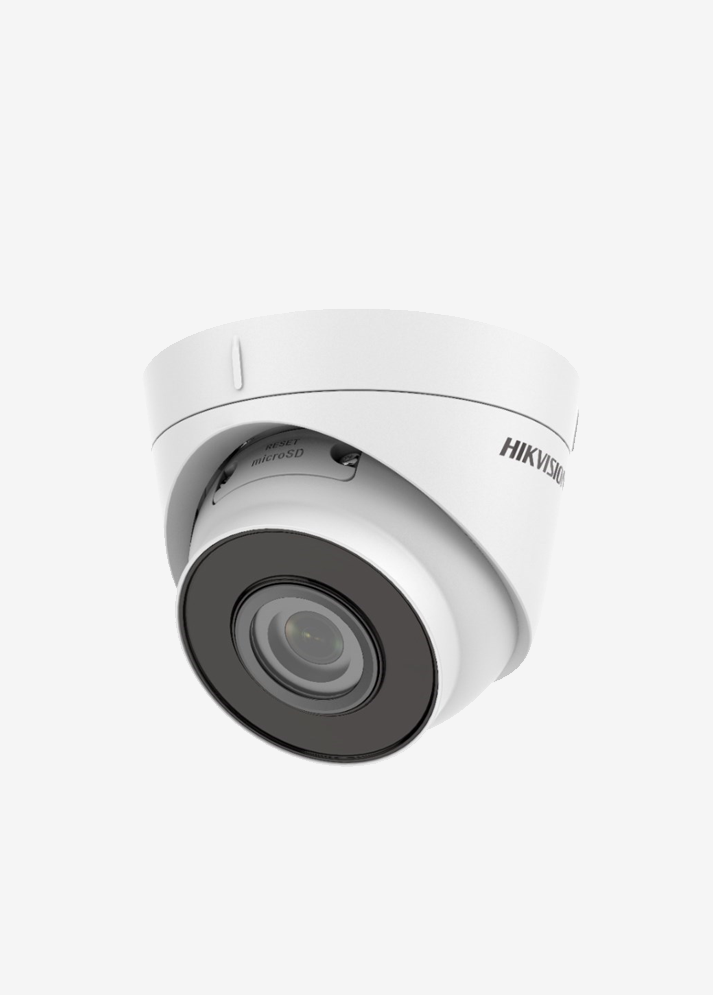
1. Capture Process
Imaging begins when the security camera detects motion in the scene and converts the image into digital format .
📌 Basic Components:
-
Lens: Collects light and focuses the image onto the sensor.
-
Image Sensor (CMOS/CCD): Converts light into digital signal
-
DSP (Digital Signal Processor): It undertakes image processing and compression tasks.
🔍 Technical Specifications:
-
Resolution: Image clarity is determined by values such as 2MP, 4MP, 8MP (4K)
-
Frame Rate (FPS): Typically 25–30 FPS provides smooth video
-
WDR (Wide Dynamic Range): Shows shadow and highlight areas clearly in the same frame
-
Night Vision: Images are captured in low light with technologies such as IR LED, EXIR, Darkfighter, ColorVu
📌 A good imaging process directly affects the quality of recording and transmission.
2. Recording Process
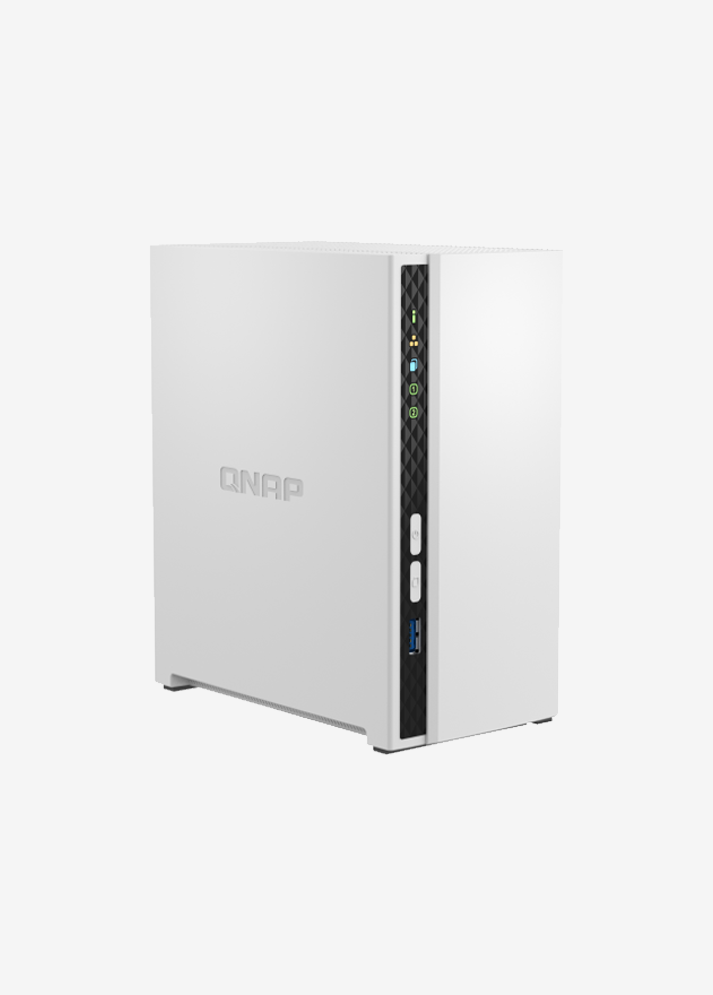
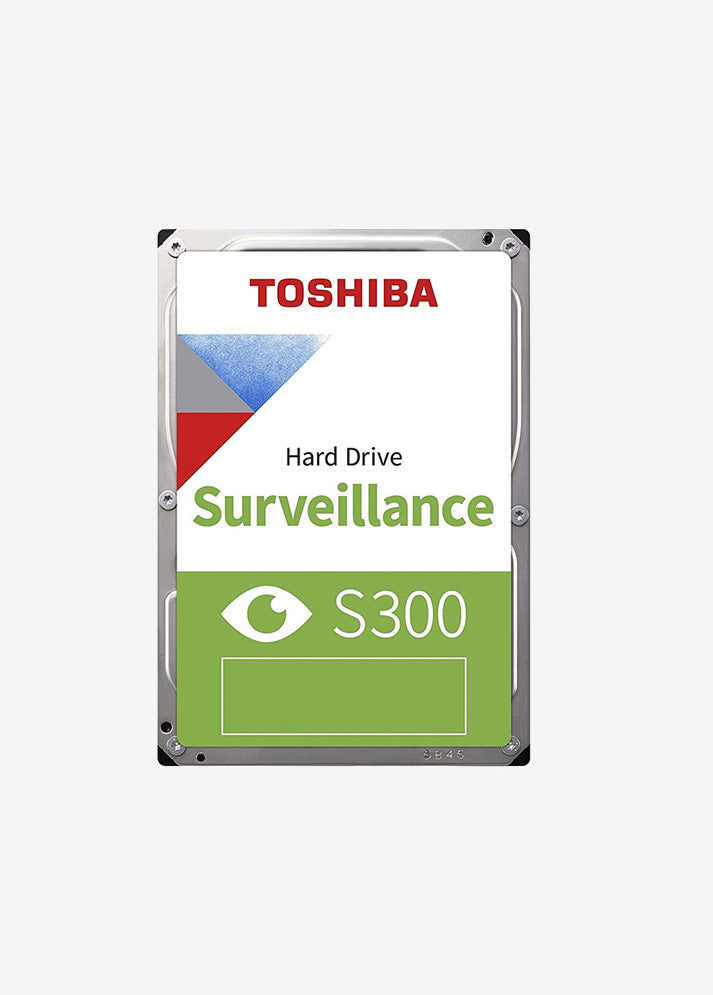
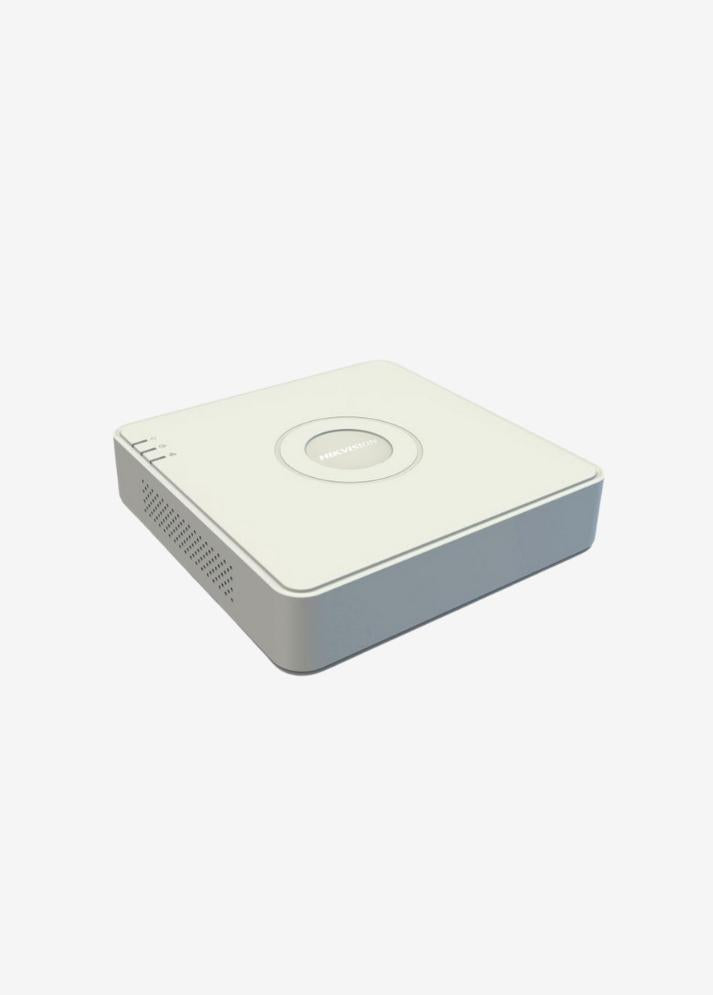
The resulting digital image is recorded via DVR (in analog systems) or NVR / server (in IP systems).
📌 Registration Methods:
-
Continuous Recording: Records every moment 24/7
-
Motion Detection: Starts recording only when there is movement
-
Timer Recording: Automatic recording at predetermined time intervals.
-
Alarm Triggered: Recording triggered by integrated system such as entry/exit, fire detector etc.
🔐 Compression Formats:
-
H.264: Widespread and efficient
-
H.265: 40–50% less disk usage, more efficient at high resolution
-
H.265+ / Smart Codec: Saves space by recording only the changed pixels
🗂 Recording Time Factors:
-
Number of cameras
-
Resolution
-
FPS (frame rate)
-
Compression type
-
Disk capacity (expandable with RAID structure)
📌 The recording period in a system can be planned between 15 days and 180 days according to customer needs.
3. Transmission Process
The image is transmitted over the network for both live viewing and remote access. This process requires high performance, especially in IP systems.
📌 Transmission Protocols:
-
RTSP: Real-time image transmission
-
HTTP/HTTPS: Web-based access
-
ONVIF: Brand-independent camera – software integration
-
TCP/UDP: Data security (TCP) or speed (UDP) priority communication
🌐 Common Transmission Structures:
-
LAN (Local Area Network): Working with internal monitoring and recording devices
-
Over WAN / Internet: Remote monitoring (mobile application, web client, VMS software)
-
Cloud-Based Streaming: Streaming to cloud service (subscription may be required for some brands)
🔐 Security Layers:
-
HTTPS / SSL encryption
-
IP filtering
-
Authorization (user/password)
-
Remote access via VPN
📌 Low latency, high bandwidth and security should be prioritized during the transmission process.
Bonus: Live Monitoring and Video Management
VMS (Video Management System) software is used to instantly access and intervene in camera systems:
-
Multi-screen support (video wall)
-
PTZ control
-
Event-based search (motion, alarm, time-based)
-
Video analysis and artificial intelligence integration (face recognition, license plate recognition, object tracking)
Result: Intelligent Process from Image to Intervention
In security camera systems;
➡ Imaging,
➡ Registration,
➡ When transmission processes work together and in harmony, the system is truly efficient.
These three stages in a quality system:
🔸 Uninterrupted ,
🔸 Fast ,
🔸 Safe ,
🔸 It should work correctly .
Whether it is a small office or a giant production facility, the robustness of the image – recording – transmission trio is the fundamental key to the success of that system.