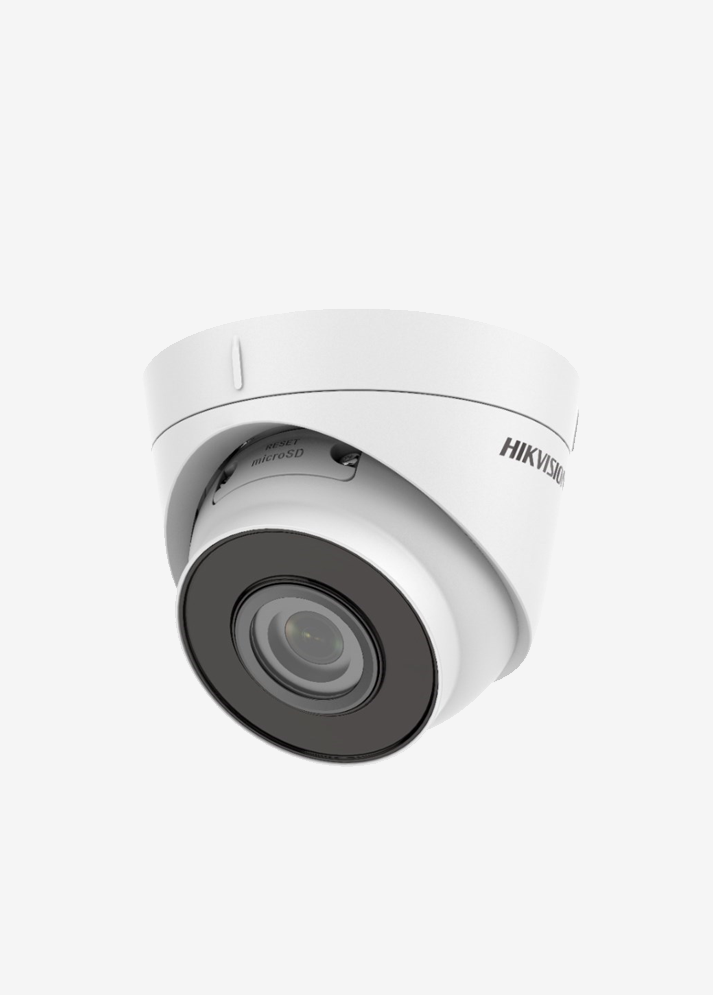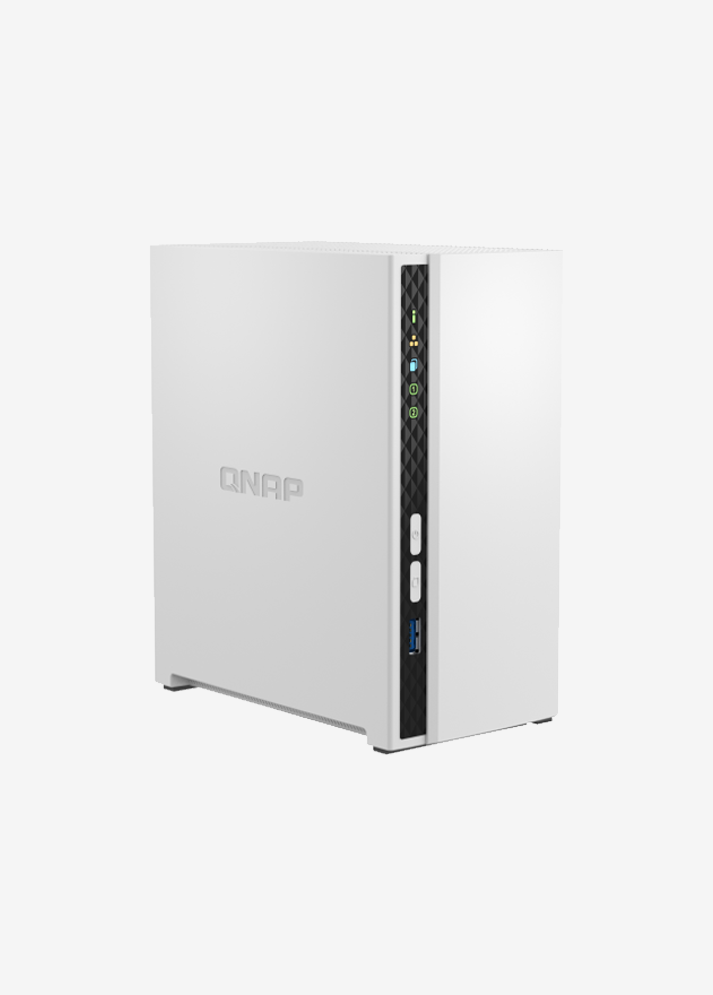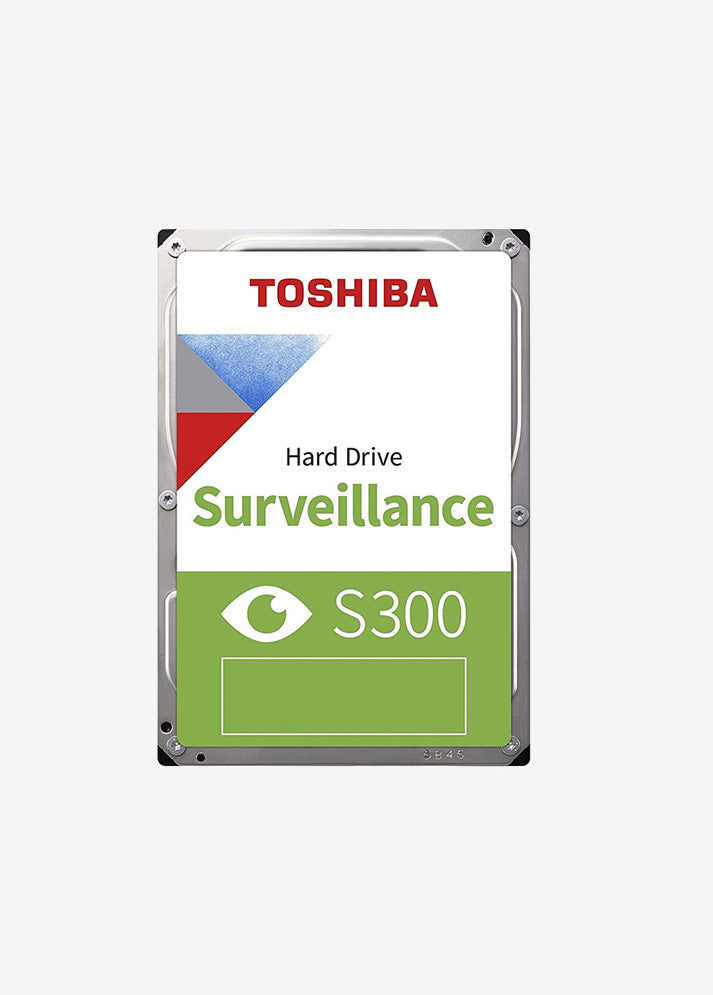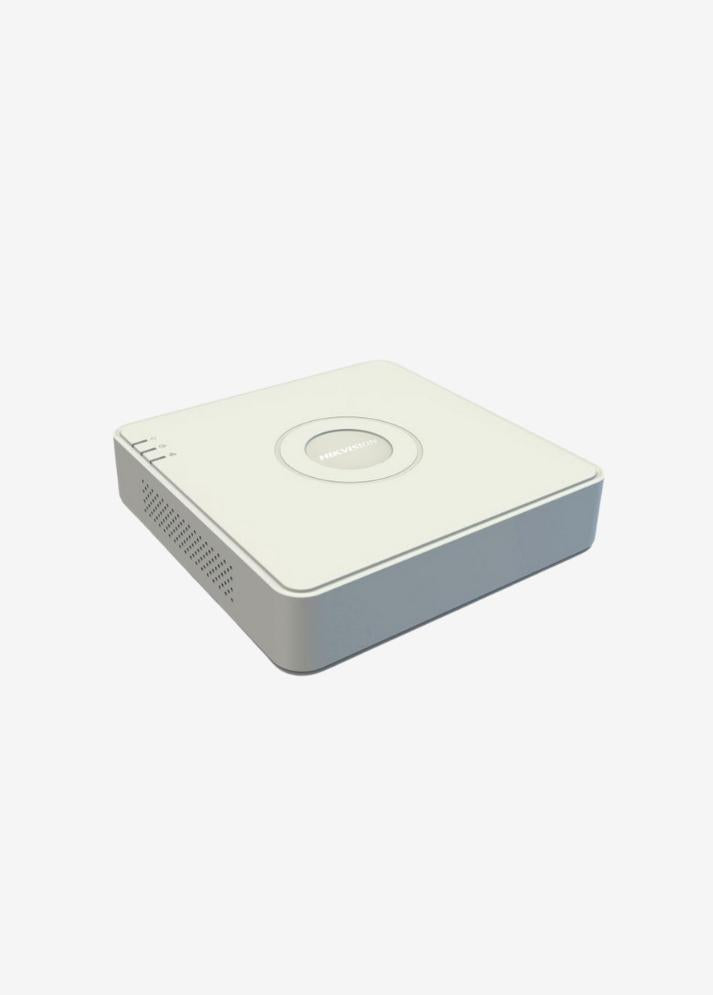
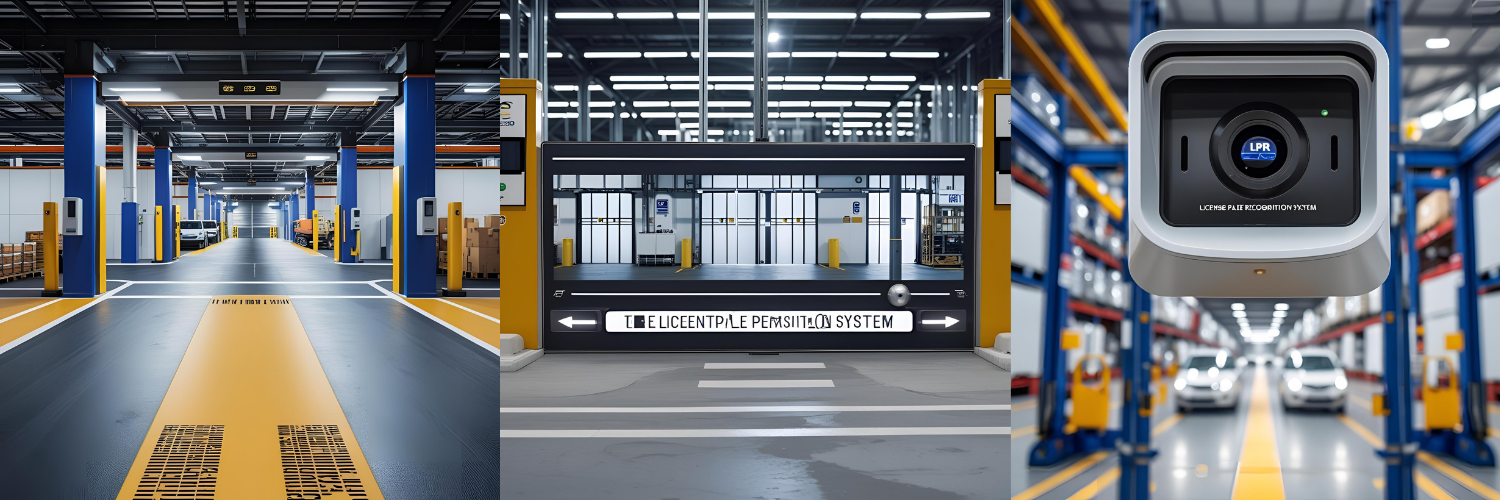
One of the biggest challenges facing the logistics industry today is the efficient and safe management of vehicle and driver traffic . This is where License Plate Recognition Systems (LPR) come into play, offering businesses significant advantages in terms of both safety and operational efficiency.
What is License Plate Recognition System?
The License Plate Recognition System (LPR) is an advanced camera technology that can automatically read vehicle license plate information, analyze this data, and grant entry and exit permission. It is used primarily to digitize vehicle control in logistics warehouses, storage facilities, transportation companies, and distribution centers .
Benefits of License Plate Recognition Systems in the Logistics Industry
📌 Automatic Tracking of Entries and Exits
Manual vehicle registrations are time-consuming. Thanks to the LPR system, vehicles are automatically identified and recorded as they enter the field.
📌 Security in Loading and Unloading Areas
The system allows for retroactive tracking of who entered the field and when. This can be used as legal and operational evidence , particularly in cases of loss, damage, or delays.
📌 Visitor and Driver Tracking
Incoming vehicles can be temporarily identified in the system. This allows for comprehensive data control, including driver identification, load information, and entry times .
📌 Integrated Operation with Barrier Control
LPR systems can be integrated with barriers or shutters to automatically grant access only to authorized vehicles, thus minimizing the risk of unauthorized access .
📌 Time Savings and Efficiency
Manual control and document signing processes are eliminated. Vehicles can enter and exit quickly , which is a significant advantage, especially during busy shipping periods.
📌 Integrated Reporting and Alarm System
The systems can blacklist specific license plates. When a blacklisted vehicle attempts to enter the field, an automatic alarm is triggered. The system also generates daily, weekly, and monthly reports , providing managers with detailed analysis.
What to Consider When Choosing an LPR Camera in Logistics?
-
Must have high night vision feature
-
Must be able to read fast passing vehicles clearly
-
Must be resistant to harsh weather conditions in open areas (IP67, IK10 certified)
-
Must have the capacity to store records with a cloud or local database
-
Must be able to work integrated with ERP or vehicle tracking software
How to Install LPR Systems in Warehouses and Bonded Warehouses?
LPR systems typically begin with specialized LPR cameras mounted in front of entrances or adjacent to barriers. The camera reads license plates and transmits this information to connected software. The system grants access by matching it with a predefined database. Optionally, it can be integrated with personnel card systems, RFID solutions, and turnstile control systems .
Conclusion: Digital Transformation in Logistics Begins Now with LPR Systems
The complex traffic flow and security vulnerabilities experienced in logistics centers are being digitally streamlined thanks to License Plate Recognition Systems . Advanced analytics, 24/7 control, and an automation-supported structure allow logistics companies to both increase security and streamline their business processes.
Meet License Plate Recognition Systems to make your logistics operations smarter!