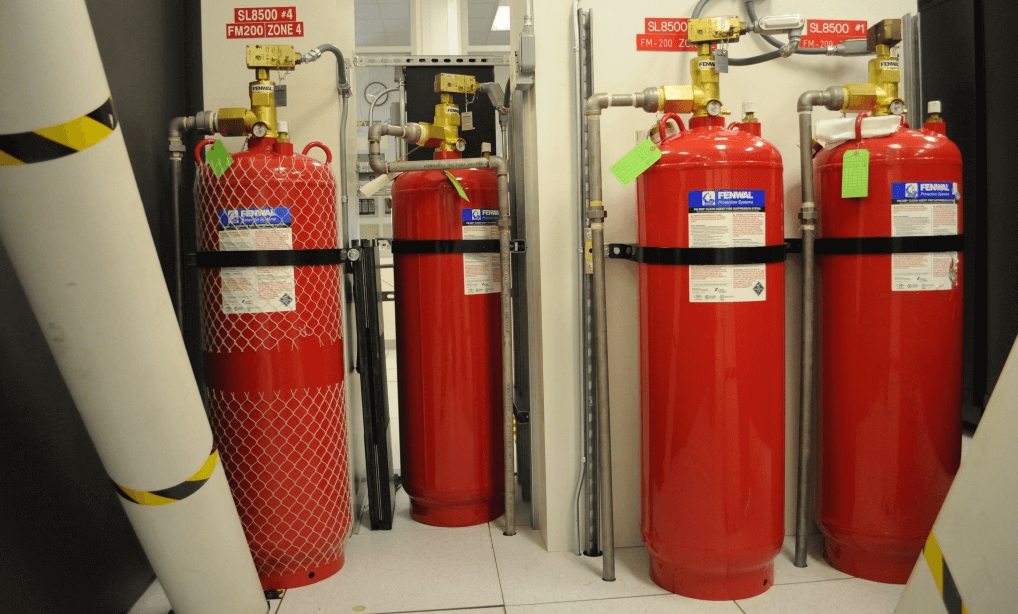
Every building, every environment, and every risk is different. Therefore, there is no "one-size-fits-all" solution for fire suppression systems. Choosing the right system is vital to the safety of life and property.
So, which fire suppression system should be preferred in which area? In this guide, we detail the most suitable fire suppression systems for different scenarios.
🔧 What is a Fire Extinguishing System?
A fire suppression system is the general term for systems that detect and respond to a potential fire automatically , or sometimes manually . These systems activate by detecting smoke, flames, or heat, and control the fire before it spreads.
💡 Which System is Suitable for Which Environment?
🏢 Offices and Indoor Areas
👉 System to be used:
-
Sprinkler Systems (Wet Pipe)
-
Portable Fire Extinguishers (ABC Powder)
🟢 Why?
There is a high density of people and the use of electrical equipment. Sprinklers quickly suppress the fire. Portable extinguishers are ideal for early intervention.
🏭 Factories and Industrial Facilities
👉 System to be used:
-
Foam Extinguishing Systems
-
Gas Systems (FM-200, Novec 1230)
-
Hydrant System
🟢 Why?
In areas where flammable liquids or hazardous chemicals are present, foam or oxygen suffocating gas systems that cover the liquid surface are preferred. A hydrant line is required for large open areas.
⚡ Electrical Panels and Server Rooms
👉 System to be used:
-
FM-200 or Novec 1230 Gas Extinguishing System
-
CO₂ Systems (rare cases)
🟢 Why?
Using water damages electrical equipment. Gas systems provide extinguishing without wetting the equipment. They are the safest choice for electronic data centers.
🛢️ Fuel Storage and Flammable Liquid Areas
👉 System to be used:
-
Foam Extinguishing Systems (AFFF, Protein Foam)
-
Fire Water Cannons & Fixed Nozzle Systems
🟢 Why?
Water is insufficient for liquid fires. Foam covers the liquid surface, cutting off oxygen.
🏠 Residences and Sites
👉 System to be used:
-
Portable Cylinders (6 kg ABC)
-
Sprinkler (Type suitable for residential use)
-
Smoke Detector + Sound Warning
🟢 Why?
Home fires often occur in the kitchen or due to electrical faults. Fast-response, easy-to-use systems should be preferred.
🚛 Vehicles and Mobile Systems
👉 System to be used:
-
Vehicle Type Portable Cylinder (2 kg)
-
In-Vehicle Automatic Fire Detection System
🟢 Why?
Fires in the vehicle's engine compartment require rapid intervention. Automatic systems are activated by detecting engine temperature.
🏛️ Sensitive Areas Such as Archives, Libraries, Museums
👉 System to be used:
-
Gas System (Inert Gas, FM-200, Argon)
-
Early Warning Detection (VESDA)
🟢 Why?
Delicate materials like paper and historical artifacts are vulnerable to water and wetting. Gas systems suppress fire without damaging them.
📊 Comparison Table: Extinguishing Systems
| System Type | Advantages | Area of Use |
|---|---|---|
| Sprinkler | Widespread, affordable, automatic | Buildings, offices, shopping malls |
| Gas System | Does not damage the equipment, clean | Data centers, dashboards, museums |
| Foam System | Effective on liquid fires | Fuel depots, industrial areas |
| Portable Cylinder | Portable, provides immediate intervention | Homes, vehicles, small offices |
| CO₂ System | Provides oxygen suppression | Electrical fires, generator rooms |
🔐 Suggestions for Choosing the Right System
-
Risk analysis should be done (fuel, electricity, human density, etc.)
-
Systems that comply with the legislation (Regulation on the Protection of Buildings from Fire) should be selected.
-
Systems must be documented and certified
-
Maintenance and test periods should not be interrupted.
-
Personnel should be trained and fire drills should be conducted.
🎯 Result
Choosing the right fire suppression system protects not only property but also life. The system to be used should be determined by the building's structure, intended use, and fire risk.
Remember:
“Firefighting begins with a plan, not with the flames.”