Security risks in businesses are not limited to external threats. Internal theft, meaning the loss of inventory or equipment caused by employees, can lead to significant financial losses in many businesses. When properly planned, alarm systems create an effective layer of security in reducing the risk of internal theft.
Controlling Unauthorized Access to Certain Areas
Alarm systems can be operated by defining zones in specific areas. For example:
Storage area
Cashier section
Archive room
Server room
These areas can be kept on alert outside of working hours.
Time-Based Installation Scenario
The alarm system can be programmed to activate automatically at specific times. This allows for:
After-hours entries are recorded.
Unauthorized actions are detected.
It can be seen which zone was triggered.
This strengthens the internal control mechanism.
Log Records and Tracking
Alarm panels record user actions and zone triggers. These records include:
What time was the arming and disarming done?
Which area was triggered?
Whether there was an attempt at sabotage
It can demonstrate this. This is important for monitoring purposes.
Visual Verification with Camera Integration
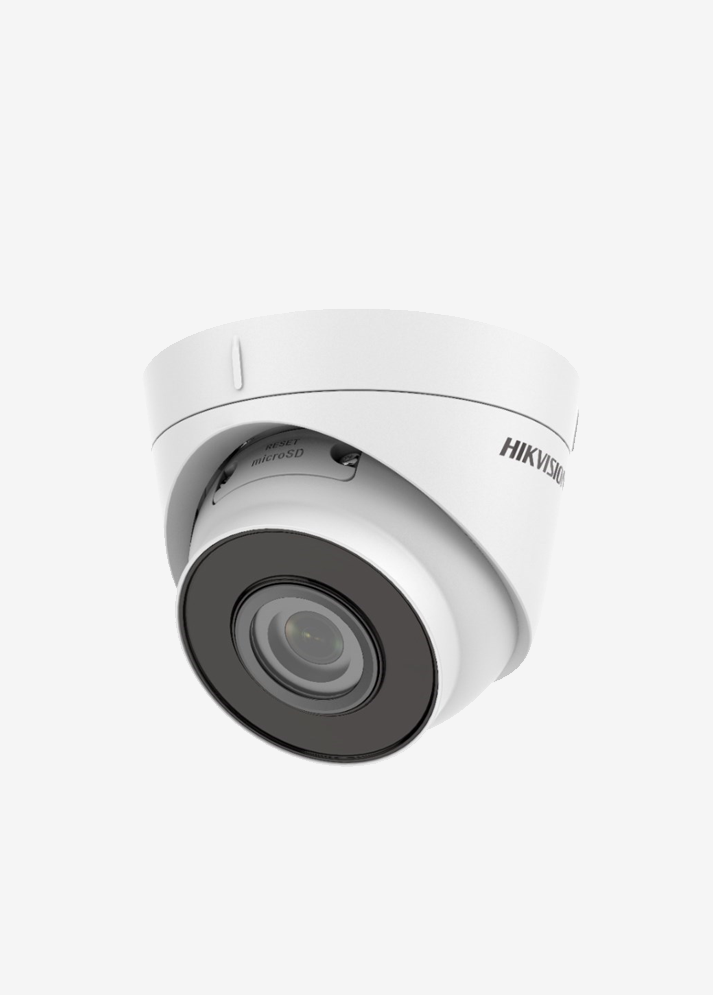
When the alarm system works in integration with a camera, video recording can be taken at the moment of triggering. This integration:
It simplifies event verification.
It distinguishes false alarms.
It provides records that serve as evidence.
It is a strong deterrent in preventing domestic theft.
Panic and Silent Alarm Feature
In some situations, employees may be under threat. Thanks to the silent alarm feature, security forces can be notified.
Deterrent Effect
In workplaces equipped with alarm systems and camera integration, employees know the area is under control. This awareness reduces attempts at internal burglary.
SLA and Professional Management
In corporate settings, regular maintenance of alarm systems and management within the scope of SLAs (Service Level Agreements) are crucial. A continuously functioning system does not create security vulnerabilities.
Conclusion: Internal risks must also be managed.
Alarm systems are effective not only against external threats but also for controlling internal risks. With proper zone planning, log monitoring, and camera integration, the risk of internal burglary can be minimized. Security should be planned to cover both external and internal threats.