The most critical mistake made when buying a UPS or replacing a battery is choosing the capacity based on guesswork.
The result is usually the same:
"We have a UPS, but it only works for a very short time."
This guide explains how to correctly calculate UPS battery capacity.
We explain it using both technical and practical (field-based) methods.
What is the capacity of a UPS battery?
UPS battery capacity determines how long the system can operate when the power goes out.
This period depends on the following:
-
🔌 Total power of connected devices
-
🔋 Battery voltage (V)
-
🔋 Battery capacity (Ah)
-
⚙️ UPS efficiency
👉 So the issue isn't just "how many Ah battery",
It's about what you'll give power to, and for how long.
1️⃣ First Step: Find the Total Power Consumption (Watt)
Add up the Watt (W) ratings of all the devices that will be connected to the UPS.
Example (CCTV system):
-
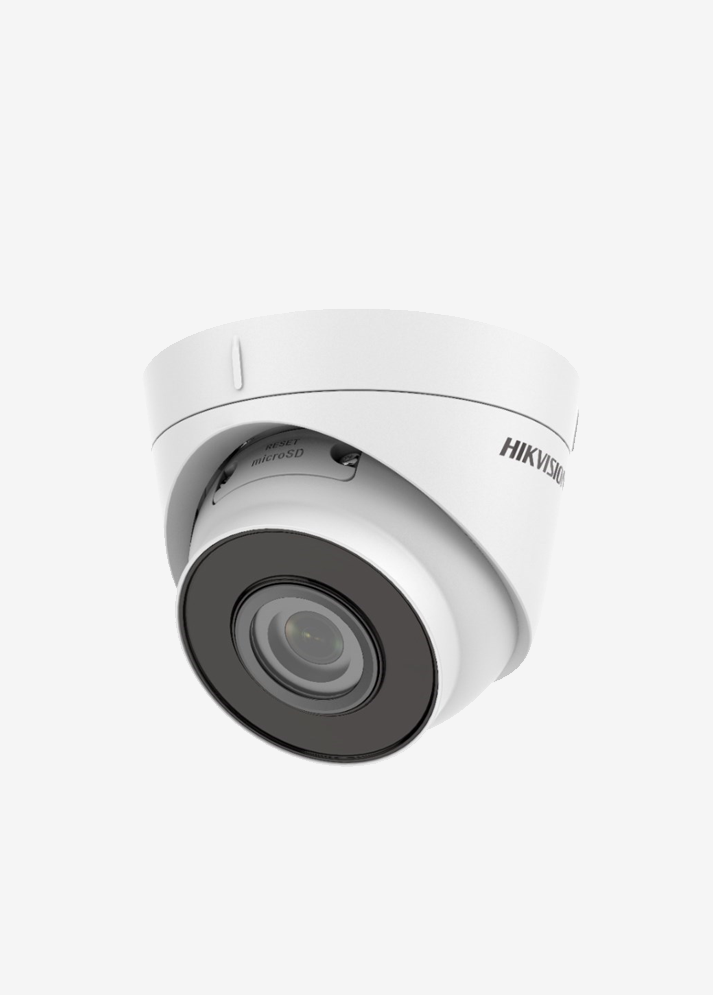
4 IP cameras → 4 × 10 W = 40 W
-
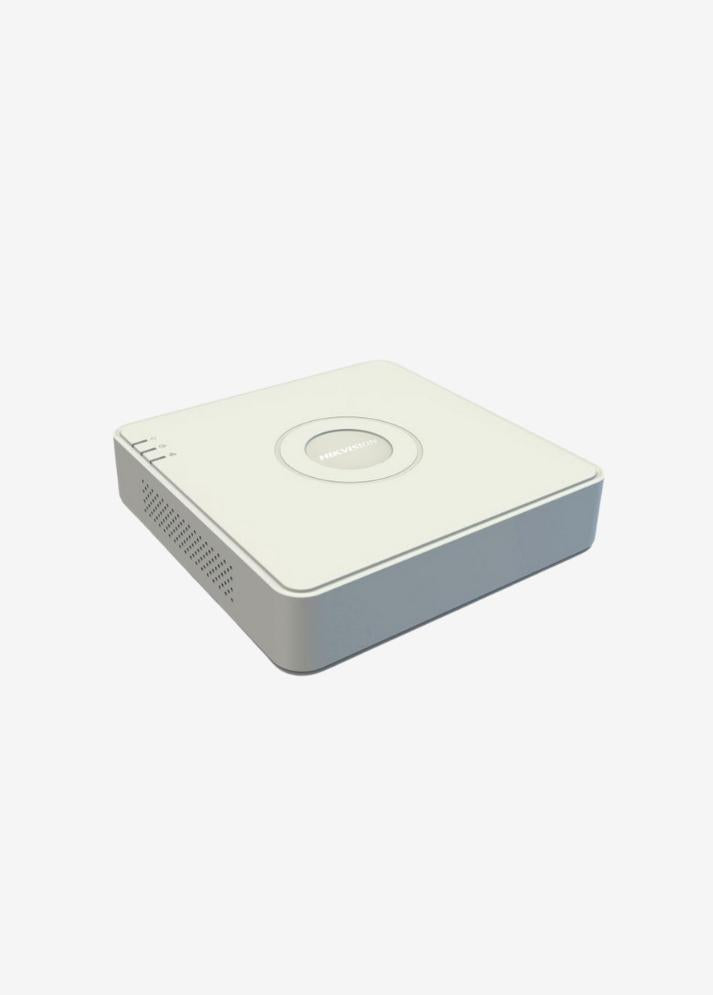
NVR → 30 W
-
PoE switch → 20 W
👉 Total load = 90 W
📌 If there are no tags:
-
The V × A = Watt on the adapter.
-
Example: 12V × 2A = 24W
2️⃣ Determine your desired working hours.
The crucial question 👇
How many minutes is enough when the power goes out?
In general:
-
🕒 5-10 min → safe shutdown
-
🕒 15–30 min → short duration
-
🕒 1 hour+ → long backup
Example:
-
Requested time: 30 minutes (0.5 hours)
3️⃣ Basic Battery Capacity Calculation Formula
The formula used in practice and in the field:
Battery Capacity (Ah) =
(Total Load (W) × Operating Time (hours))
÷ (Battery Voltage (V) × UPS Efficiency)
UPS efficiency is generally estimated at 0.8 (80%) .
4️⃣ Example Calculation (Real Scenario)
📌 System:
-
Load: 90 W
-
Duration: 0.5 hours
-
Battery: 12V
-
Efficiency: 0.8
Ah = (90 × 0.5) ÷ (12 × 0.8)
Ah = 45 ÷ 9.6
Ah ≈ 4.7 Ah
👉 Theoretical minimum: ~5 Ah
⚠️ But in real life:
-
Batteries should not be discharged 100%.
-
There is an age limit.
📌 Therefore:
A battery of at least 7–9 Ah is preferred.
5️⃣ Security and Actual Usage Share (25% Rule)
A numerator is always added to the calculated value:
-
✔️ Battery aging
-
✔️ Sudden load increases
-
✔️ Yield losses
📈 20-30% additional capacity is the golden rule.
6️⃣ What happens if there is more than one battery?
Some UPSs have:
-
It has 2, 4 or 8 batteries.
Example:
-
2 x 12V batteries (in series) → 24V system
-
The Ah value remains the same , but the voltage increases.
👉 When calculating the cost:
-
The total system voltage is taken into account.
7️⃣ Practical Short Guide (Memorization)
Fast forecasting for small systems:
-
Modem + NVR + 4 cameras → 9Ah – 12Ah
-
Small office (1 PC + modem) → 9Ah – 18Ah
-
Large CCTV / server → 26Ah and above
📌 But this is only an approximate value .
Calculation is necessary for a clear solution.
Most Common Mistakes
❌ Looking only at the VA value
❌ Focusing on just one device and forgetting about the system
❌ Calculating with 0% margin
❌ Not taking battery aging into account
👉 These errors point to the battery , not the UPS.
Special Note for CCTV and Server Systems
-
In camera and server systems
-
Because there is a risk of record and data loss.
📌 The account should be opened on the safe side, not at the minimum.
What do we do at cctvburada?
As cctvburada;
-
🔍 We perform actual watt measurements for all your devices.
-
📊 We calculate the net Ah cost based on the requested duration.
-
🔁 We report whether the current UPS system is sufficient.
-
🔧 We are conducting on-site testing and verification.
We install UPS systems based on calculations, not guesswork.
📞 How many Ahs are needed for your system?
UPS brand/model and
Tell me which devices are connected.
Let's calculate the net capacity right away.
👉 Free consultation
👉 CCTV & office UPS capacity calculation
cctvburada – A correctly calculated battery means uninterrupted safety. 🔒⚡