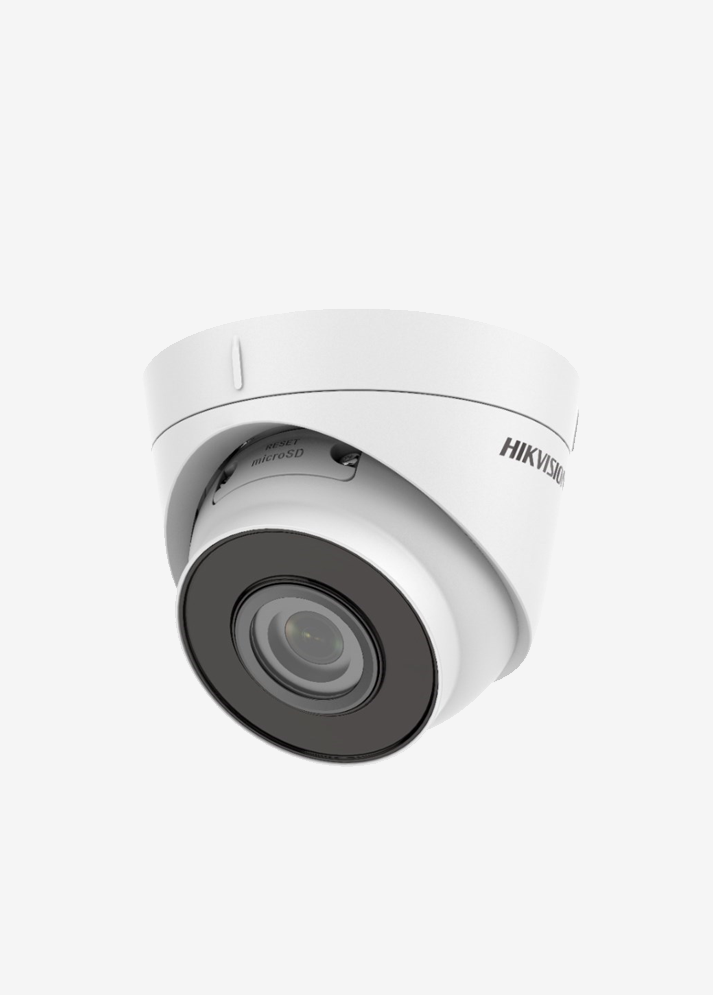
In workplace security, alarm systems provide deterrence, while camera systems offer video recording and monitoring capabilities. When these two systems are integrated, both early warning and visual verification are provided. So how are workplace alarm systems integrated with cameras? This article covers the technical and operational details.
Why is Alarm and Camera Integration Important?
Alarm system:
-
It gives a warning if there is unauthorized entry.
-
It provides a deterrent effect with the siren.
Camera system:
-
It records the event.
-
It offers live streaming.
Thanks to the integration, when an alarm is triggered, the relevant camera automatically starts recording and a notification, along with the video footage, can be sent to the user.
How does the integration work?
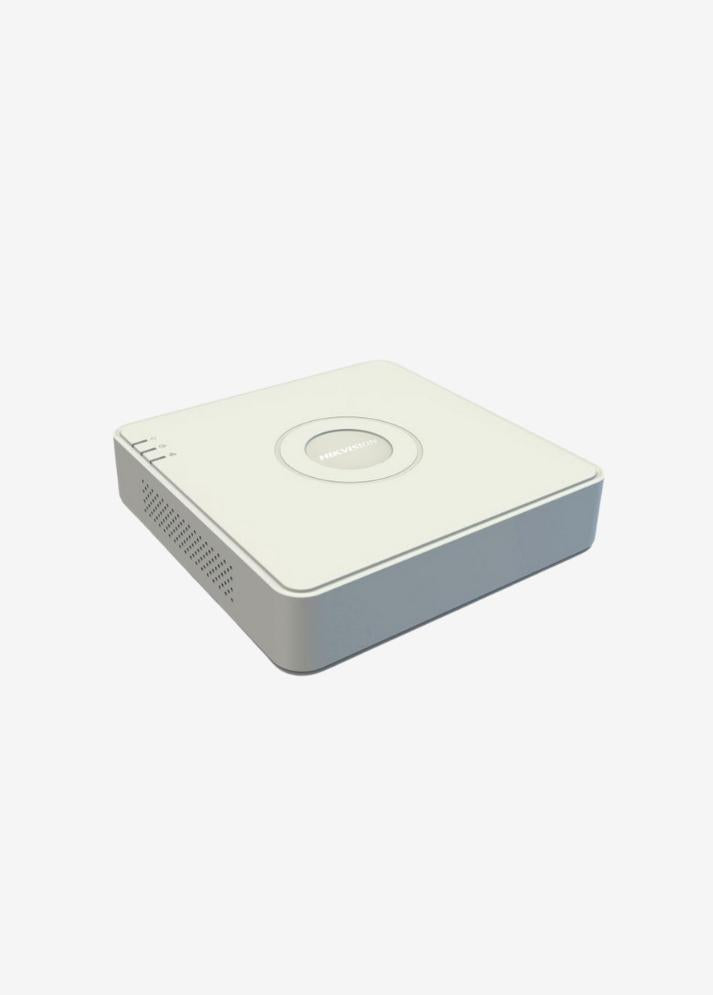
A software or hardware connection is established between the alarm panel and the camera recording device (NVR/DVR).
The system works as follows:
-
The sensor is triggered.
-
The alarm panel generates a signal.
-
The camera system marks the recording in the relevant area.
-
A notification is sent to the user.
This structure allows for verification of the event.
Which systems can be integrated?
Modern alarm panels:
-
IP camera systems
-
NVR-based recording devices
-
Cloud-based security solutions
It can work integrated with other systems.
It is important that the systems chosen are compatible.
What does the camera do when the alarm is triggered?
In integrated systems:
-
Selected cameras will automatically start recording.
-
The alarm moment is marked.
-
Event notifications appear in the mobile app.
This allows security personnel or business owners to monitor the situation in real time.
Why is Zoning Important in Integration?
Zoning is implemented in large-scale operations:
-
Warehouse area
-
Office space
-
Entrance door
-
Loading Zone
The cameras in the zone where the alarm is triggered will be activated.
This also shortens the intervention time.
Remote Monitoring Integration
Thanks to alarm and camera integration:
-
Live video can be viewed via the mobile application.
-
Video surveillance can be performed along with the alarm notification.
-
The suspicious situation can be quickly confirmed.
This is particularly advantageous for chain stores and multi-location businesses.
Integration with the Monitoring Center
In professional systems:
-
The alarm signal goes to the monitoring center.
-
The security operator turns on the relevant camera.
-
The incident is confirmed and the necessary units are dispatched.
This structure provides maximum security.
Will the integration work during power and internet outages?
The system must:
-
Backup battery
-
UPS
-
GSM-enabled alarm
It should be supported by...
Otherwise, the integration may be interrupted.
Most Common Mistakes
-
Incompatible brand choice
-
No zoning is done.
-
Neglect of backup communication infrastructure
-
Just install the camera and neglect the alarm.
These errors reduce security performance.
Which Businesses Require Integration?
Especially:
-
Stores
-
Warehouses
-
Factories
-
Jewelers
-
Multi-story offices
Alarm and camera integration is recommended.
Why is professional planning necessary?
If the integration is not planned correctly:
-
A blind spot may form.
-
Notification may be delayed.
-
Event verification may not be possible.
Therefore, system design requires expertise.