
Today's rising number of burglaries is pushing both homeowners and businesses to implement more effective security measures. In this regard, burglar alarm systems stand out not only as a security tool but also as a psychological deterrent .
But how effective are these systems? Do they really deter thieves? Here's the answer, along with research and field data:
1. Pre-Crime Observation Behavior: What Do Burglars Look For?
Most thieves do not choose their targets randomly; they do a preliminary reconnaissance .
Numerous security studies show that potential criminals pay attention to:
-
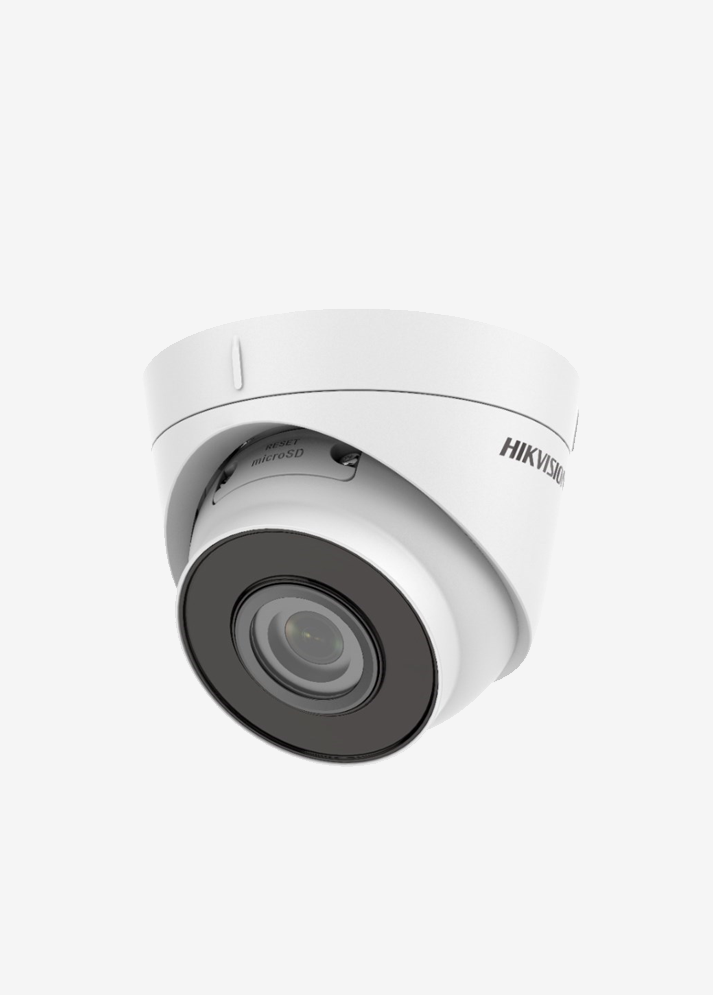
Is there a camera?
-
Does the alarm system have a sign or siren?
-
Is your home or workplace empty?
-
Are there easy ways in and out?
-
Is there a security vulnerability?
📌 60% of burglars tend to change their target when they see that there is an alarm system.
( Source: University of North Carolina – Department of Criminal Justice & Criminology )
2. Siren and Light: Psychological Deterrence
The most basic feature of an alarm system is that it warns the surrounding area with loud sirens and flashing lights in case of unauthorized entry.
🔊 Loud siren: Makes the thief panic and wastes time
💡 Light flasher: Produces a visible signal
🏃♂️ Panic effect: Causes the criminal to quickly move away
The worst-case scenario for thieves is being noticed and losing time . The alarm system triggers exactly these two situations.
3. Remote Notification and Mobile Alerts
Modern alarm systems are not limited to just sirens.
-
Instant notification to mobile applications
-
SMS/email alert
-
Automatic call to security company or authority
-
Integrated video control with camera systems
🔐 Even if the thief gets used to the siren after a while, the system has already alerted the user and the security.
4. A Real System, Not a Fake Alarm, Acts as a Deterrent
Some people try to deter intruders with visual solutions like fake sirens and fake cameras . However, experienced criminals can easily identify these systems.
✅ Difference from real systems:
-
Works with continuous energy (battery + adapter)
-
Alarm panel is inside
-
The external siren signal is different
-
If there is a camera, it will record
🔴 Fake systems only buy thieves time.
5. Combination Security: Alarm + Camera + Light
An alarm system is a deterrent on its own, but its effectiveness is magnified when integrated with camera systems.
-
Camera recording increases the seriousness of the threat
-
The environment is illuminated with light control
-
User verifies image with mobile app
📌 Alarm sound + moving light + video recording = A thief's worst nightmare
6. Professional Alarm Monitoring Service Adds Extra Power
With private security services connected to the alarm system:
-
Alarm goes to the center
-
The operator calls
-
Security teams are directed
-
If necessary, law enforcement is notified.
These types of systems ensure that the thief stays away completely, especially for businesses.
7. Deterrence Example: Street Psychology
If there are 10 houses on the same street and only 3 of them have an alarm;
➡️ Thieves usually prefer the one without alarm.
From where?
-
Less risk
-
Less possibility of intervention
-
Time saving
🛡 Installing an alarm not only protects you but also your neighbors.
Conclusion: Burglar Alarm Systems Really Deter Burglars!
-
More than 60% of thieves abandon their attempts when they see an alarm.
-
Elements such as sirens and lights create psychological barriers
-
Alarm + camera integration increases deterrence up to 90%
-
Mobile reporting and rapid response play a critical role in preventing crime
✅ Remember: Theft attempts should be prevented before they start, not when they start.
And this is only possible with a good alarm system.