
In emergencies, seconds matter. In the event of a fire, theft attempt, health crisis, or natural disaster, a sound security infrastructure and effective coordination system can minimize loss of life and property . This is where the integration of modern security systems and crisis management protocols becomes crucial.
So, how do you set up effective emergency management for a business or residence, and how do you integrate security systems into this system?
🎯 1. The Importance of Rapid Response to Emergencies
In events where every passing second is critical , early detection and automatic response systems make a difference:
-
Instant alarm and audible warning in case of fire
-
Simultaneous notification to authorities
-
Camera system records the incident
-
Automatic closing of fire doors
🧠 Rapid response is possible not only with human resources but also with technology.
🧠 2. The Role of Integrated Security Systems
Crisis management becomes much more effective when modern security solutions work integrated with each other.
🔒 Components:
-
Fire detection system
-
Alarm system
-
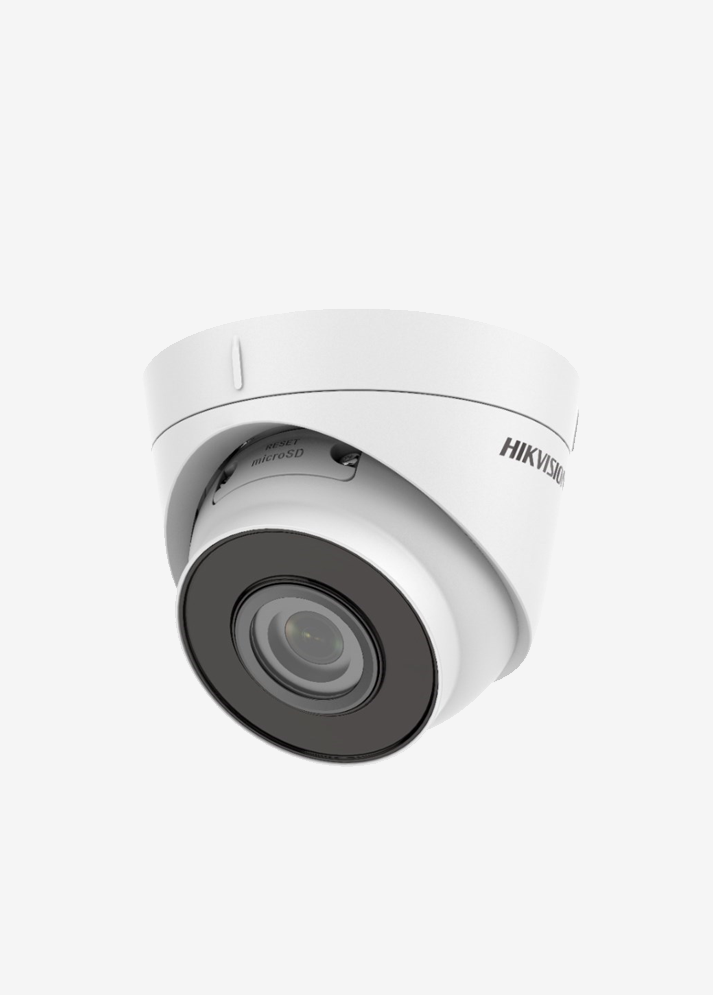
Camera systems (CCTV)
-
Access control systems (card, biometric)
-
Loudspeaker announcement systems
-
Emergency buttons and panic buttons
-
PSIM or VMS platforms
📌 Monitoring all these systems from a single center enables rapid and scenario-based intervention.
🧩 3. Crisis Response Plan with Automation Scenarios
Thanks to smart security systems, scenarios can be created that are automatically triggered in emergency situations:
| Situation | Automatic Action |
|---|---|
| 🔥 Fire detected | The camera zooms in on the relevant area, the fire door closes, and automatic notification to the fire department |
| 🚪 Unauthorized entry | Alarm is activated, security unit is notified, door is locked |
| 🧍♂️ Suspicious behavior | The camera detects it with the video analytics system and a warning is sent to the central operator. |
| 🚨 Panic button | Location map opens, live image is transmitted, security is directed |
📊 4. Command Center (Security Monitoring Room)
The heart of emergency management in corporate structures is the command center.
Here, all systems are integrated, data is analyzed in real time and quick decisions are made.
Basic Hardware:
-
24/7 monitoring staff
-
Multi-screen monitoring systems
-
Alarm and event management software
-
Instant notification and communication infrastructure
📍 The operations center records the event flows and directs them to security forces when necessary.
🔗 5. Access and Response Coordination
In an emergency, it is necessary not only to detect but also to deliver the right information to the right person immediately :
-
Mobile notification to authorized personnel
-
Directing people in the building with voice announcements
-
Guidance of emergency exit routes
-
Instant location sharing to security units
✅ In this process, automatic action + human intervention must work together.
📌 6. The Importance of Drills and Training
Another issue that is as important as setting up the system is that the staff can use these systems correctly and act without panicking in times of crisis.
🔁 Thanks to regular exercises:
-
Emergency scenarios are tested
-
The response time of systems is measured
-
Deficiencies are eliminated
-
Staff becomes conscious
✅ Conclusion: Time in Safety = Life
Security systems exist not only to monitor but also to respond quickly to emergencies .
In modern systems, imaging, alarm, access and announcement systems must work in a unified manner and software such as PSIM / VMS must coordinate this structure.
🔐 Remember: A well-planned security infrastructure manages risks, not disasters.