Factories consist of production lines, high-value machinery, raw material stocks, and facilities spread over vast areas. Therefore, factory security must be planned far more comprehensively than standard workplace solutions. Alarm and integrated security systems play a critical role in ensuring both physical and operational safety.
Why are alarm systems necessary in factories?
Factories generally:
-
It has large open spaces.
-
It includes numerous entry and exit points.
-
It includes night shifts or off-duty periods.
-
It contains expensive equipment.
The alarm system detects unauthorized entry and sabotage risks at an early stage.
How Should Factory Safety Be Planned?
Factory safety isn't just about alarms. It's also about the planning stage:
-
Main entrance doors
-
Staff entries
-
Loading ramps
-
Storage areas
-
Production lines
-
Administrative offices
They should be evaluated separately.
Installations carried out without exploration and risk analysis can create security vulnerabilities.
What alarm systems are used in factories?
Generally in factories:
-
Magnetic door sensors
-
Industrial type motion sensors
-
Glass break detectors
-
Perimeter security sensors
-
Panic buttons
-
GSM-enabled alarm panels
It is used.
Zoning based on area size is important.
Why is Perimeter Security (Environmental Protection) Important?
Safety in factories should not be limited to the interior of the building.
For environmental safety:
-
Fence sensors
-
Barrier type detectors
-
Outdoor motion sensors
available.
This way, unauthorized entry is detected before it reaches the building.
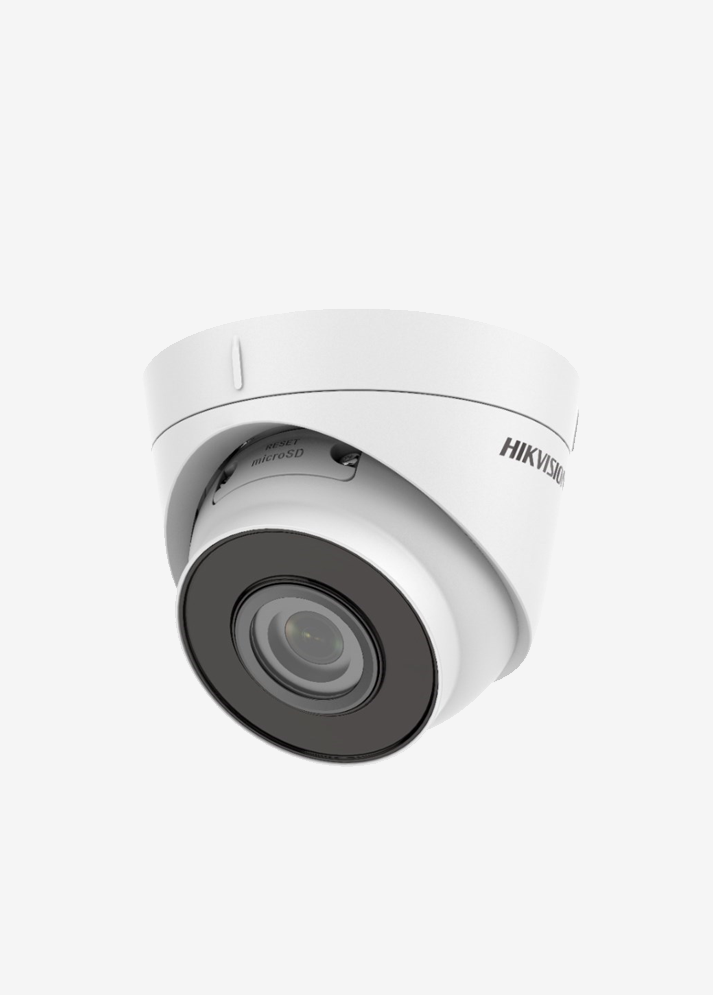
Should an alarm system be integrated with a camera?
Absolutely yes.
Alarm and camera integration in factories:
-
It starts recording video when the alarm is triggered.
-
Provides instant visual verification to the security team.
-
It facilitates the collection of evidence for the incident.
Camera systems are critically important in large areas.
Are Fire and Smoke Sensors Necessary in Factories?
Yes.
In production areas:
-
Smoke detectors
-
Heat sensors
-
Fire alarm systems
It must be found.
These systems may be necessary for both employee safety and facility safety.
Why are GSM and Backup Power Important?
Factories are generally large-scale and high-risk facilities.
Therefore, the alarm system must have the following:
-
High-capacity battery
-
UPS support
-
GSM backup communication
It must be found.
The system must continue to operate in the event of a power outage or sabotage.
How to Ensure Shift Safety in Factories?
For staff working the night shift:
-
Panic buttons
-
Regional alarm control
-
Authorized user access
Solutions such as these can be implemented.
This structure enhances employee safety.
How long does it take to install a factory alarm system?
Installation time depends on the size of the facility:
-
Delivery time may vary between 1 and 3 days.
In large facilities, installation can be planned in stages.
Insurance and Legal Requirements
In many industrial facilities:
-
Fire alarm system
-
Emergency notification system
-
Security infrastructure
It may be mandatory for insurance and regulatory reasons.
Therefore, system planning should be done professionally.
The Most Common Security Mistakes
-
Just protecting the interior of the building.
-
Neglecting environmental safety
-
Inadequate camera integration.
-
Not performing a GSM backup
-
Failure to perform periodic maintenance
These mistakes pose a serious risk.