Just as important as purchasing a home alarm system is ensuring it is installed correctly. Incorrectly planned or installed systems can create security vulnerabilities and cause false alarms. This article details the most important points to consider when installing a home alarm system.
Should a pre-installation site survey be conducted?
Yes, it absolutely must be done.
Every house:
-
Floor plan
-
Entry points
-
blind spots
-
Risk level
They are different. Systems established without prior exploration are usually either incomplete or contain unnecessary equipment.
Why is sensor placement critical?
In an alarm system, the correct placement of sensors is more important than the number of sensors.
Motion sensors:
-
To the checkpoints
-
In a way that leaves no blind spots
-
In a location that will not face direct heat sources.
It should be placed.
Door and window sensors should be installed at the highest risk entry points.
Wired or Wireless? Proper Planning is Essential.
When installing a home alarm system, the correct system type must be determined.
-
Existing homes generally have wireless systems.
-
Wired systems in new construction or renovation.
preferred.
Choosing the wrong system can lead to both aesthetic and cost problems.
How to determine the siren's location?
Siren:
-
Not easily accessible
-
Difficult to intervene
-
Audible, but not overly disruptive.
It must be mounted in one spot.
If an external siren is to be used, neighboring sensitivities should be taken into consideration.
GSM and Internet Infrastructure Should Be Checked
During installation:
-
Internet signal strength
-
GSM signal strength
It must be tested.
A weak signal can cause notifications to be delivered late.
Backup Battery and Power Supply Check Should Be Performed
To protect against power outages:
-
Battery capacity
-
Charging status
-
Energy transfer test
It should be checked.
If this step is skipped, the system may become inoperable during a power outage.
If you have a pet, this should be stated in advance.
If you have a cat or dog at home, this must be mentioned before installation.
-
A sensor that does not detect pets should be selected.
-
The sensor height must be adjusted correctly.
Otherwise, there is a risk of false alarms.
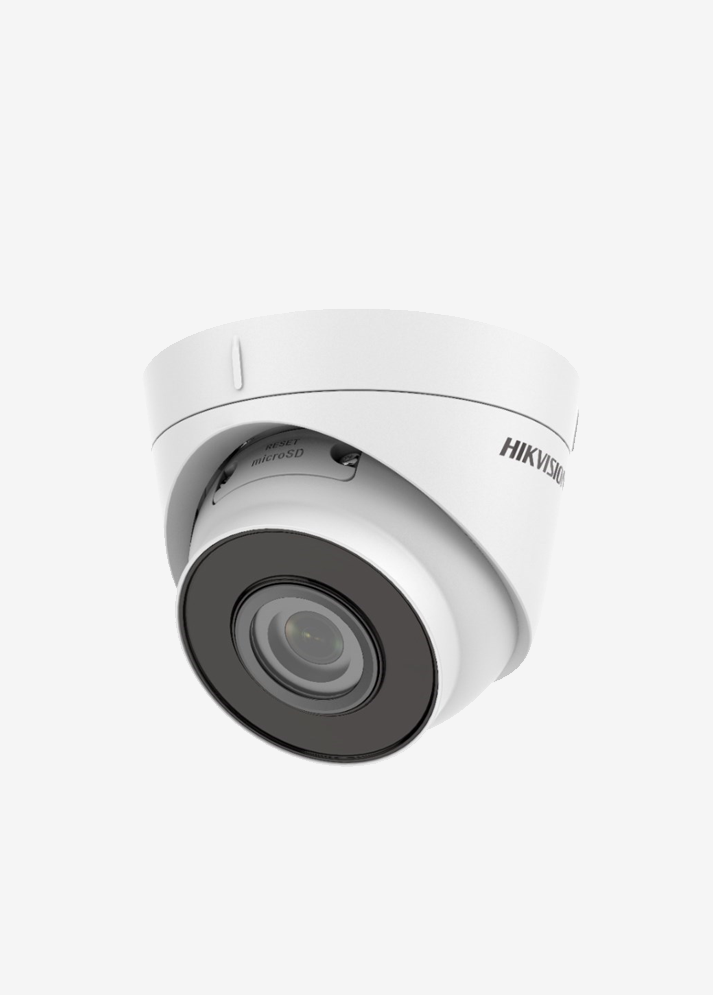
Should camera integration be planned?
If the alarm system is to be used in conjunction with a camera:
-
Energy infrastructure
-
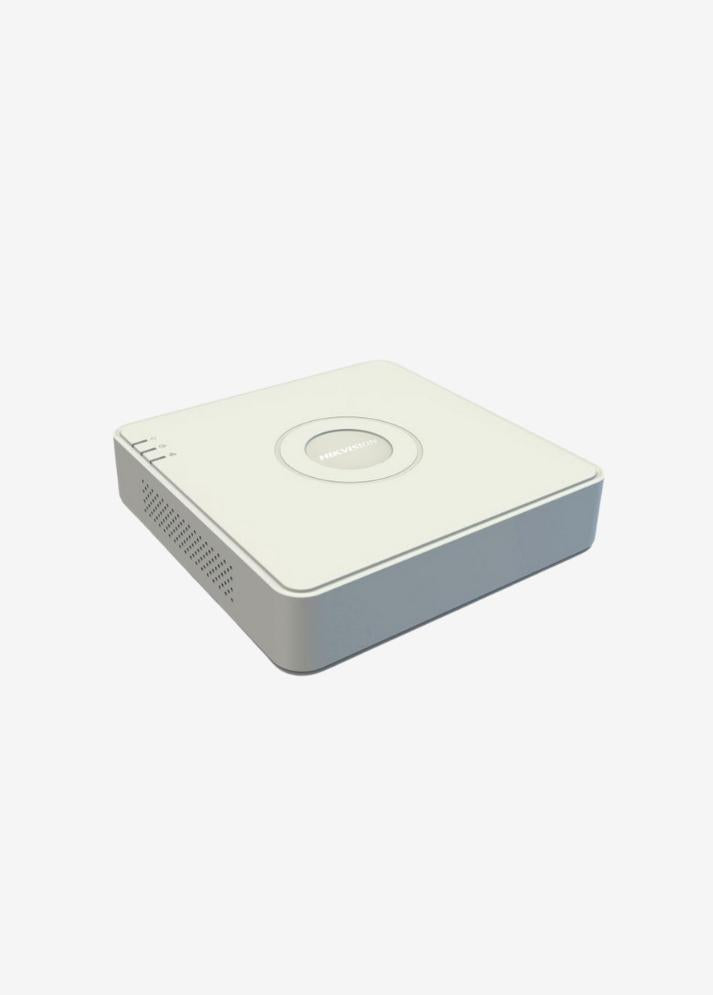
Registration system
-
Remote access settings
They should be planned together.
Alarm and camera integration significantly enhances security.
Should post-installation testing be performed?
Absolutely yes.
After the installation is complete:
-
All sensors must be tested.
-
The siren function should be checked.
-
It must be verified whether the notifications were received.
Systems that are not tested pose a risk.
Why is User Training Important?
After the alarm system is installed, the user receives:
-
Alarm on/off
-
Using night mode
-
Vacation mode
-
Notification settings
It should be explained.
Incorrect usage will generate false alarms.
Most Common Mistakes in Alarm System Installation
-
No investigation was conducted.
-
Using too many sensors
-
Neglecting the GSM line
-
Failure to check the battery
-
Incorrect selection of siren location.
These errors reduce security performance.
Why is professional installation important?
A home alarm system is not just a simple electronic device.
Incorrect assembly:
-
It can leave a blind spot.
-
It can generate false alarms.
-
It could create a security vulnerability.
Professional installation ensures the system actually works.