
Ensuring children's safety today requires not only physical protection but also a multifaceted awareness of many areas, including the digital world, school, home, and social environment. As parents, you can raise your children more safely by taking some basic yet effective precautions.
Here are some important strategies you can implement for child safety:
🏡 1. Take Physical Safety Precautions at Home
-
Lock Systems: Install child safety locks on doors and windows.
-
Sharp and Dangerous Objects: Keep products such as knives, scissors, detergents out of reach of children.
-
Electrical Outlets: Cover all outlets with protective covers.
-
Stairs: Use safety gates for small children.
🔒 Small precautions taken at home prevent major accidents.
🚨 2. Use a Security Camera and Alarm System
-
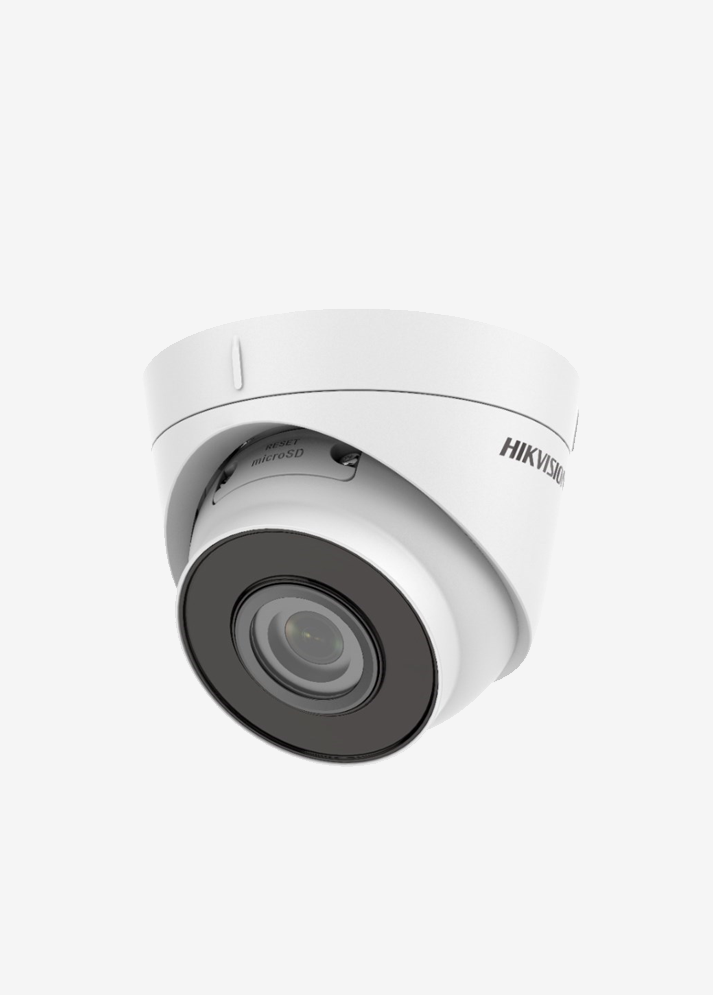
You can monitor places like your child's room or playground with IP camera systems.
-
With motion-detecting sensors, receive instant notifications when exterior doors are opened.
-
Thanks to camera systems, you can monitor third parties such as babysitters and school buses.
🎥 In-home cameras provide great convenience, especially for working parents.
📱 3. Monitor Technology Use
-
Install parental control software on tablets and phones.
-
Implement age restrictions on YouTube, gaming platforms, and social media apps.
-
Limit screen time and always monitor what he or she is watching.
💡 Internet security is as critical as physical security.
🧠 4. Instill Security Awareness
Things that must be taught to children:
-
They should not talk to/ride with strangers
-
Not sharing their personal information with anyone
-
Not opening the door to anyone when they are alone at home
-
In case of danger, call 112 or how to reach you
🎓 Security education starts at an early age and should be constantly reinforced.
🏫 5. Question School and Bus Safety
-
Check if the school has security cameras, entry and exit controls, and information desk staff.
-
Be sure to check the driver's license, criminal record, and references of the shuttle drivers.
-
Get your child's shuttle hours, route, and driver information in writing.
🚐 Choose systems with GPS tracking in services.
📍 6. Use Location Tracking and Emergency Tools
-
Thanks to smart watches (with GPS tracking) developed for children, you can see their location in real time.
-
Instant communication is possible with functions such as emergency call buttons and panic buttons.
📲 Some watch models block calls from unfamiliar numbers without parental approval.
🤝 7. Social Security: Know and Follow the Environment
-
Meet your child's circle of friends.
-
Closely follow the places he goes, the people he meets, and his social environments.
-
Keep in touch with teachers, caregivers, or neighbors.
👀 Children generally do not express their problems directly; observation of the environment is important.
🧩 8. Prepare an Emergency Plan
-
Create a plan for scenarios he or she might encounter at home and outside.
-
Teach your child what to do in situations such as fire, earthquake, getting lost, or being approached by a stranger.
-
Have them memorize basic information such as address, phone number, and emergency contact information.
🚨 A ready-made plan can save lives in times of panic.
✅ Conclusion: Security is a System Job
Child safety is not a measure to be taken alone, but a holistic awareness system.
You can prepare your children for a safer world through planned, controlled and careful approaches in all physical, digital and social areas.
📌 Recommended Products / Applications:
-
Smart children's watches (GPS + emergency button)
-
IP camera systems (mobile application supported)
-
Parental control software : Google Family Link, Qustodio, Norton Family
-
Socket protection kits, cabinet locks, stair safety barriers