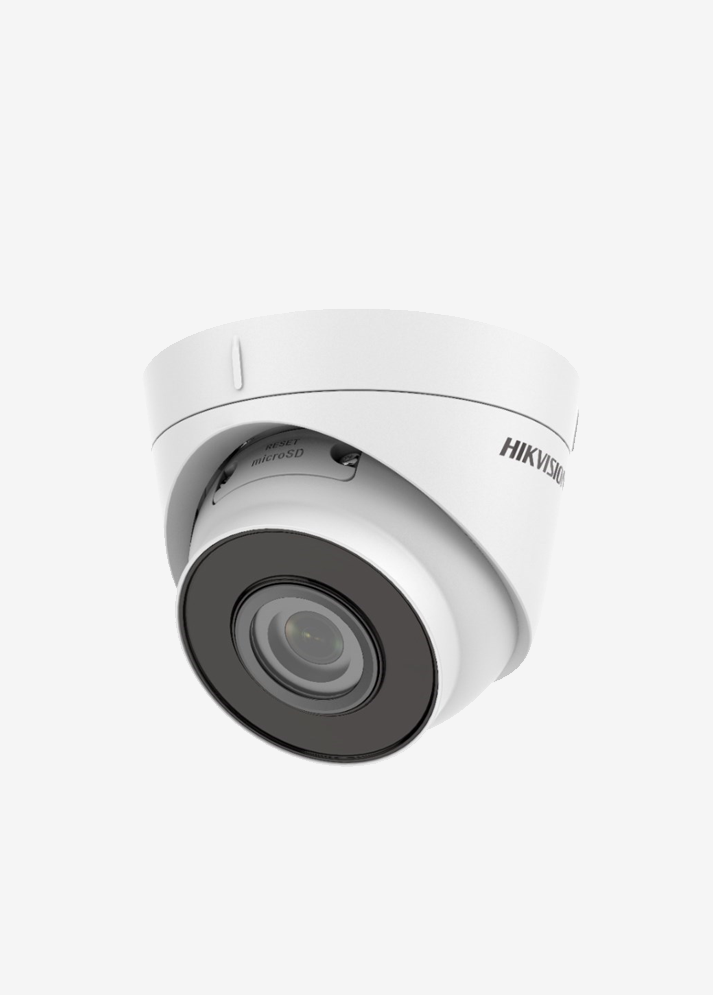
Alarm systems are one of the most critical components of security. However, like any electronic system, alarm systems require maintenance and technical support over time. Systems that do not receive regular service support may experience performance degradation, false alarms, sensor failures, and communication problems.
Why is Regular Maintenance Necessary?
Alarm systems are security equipment that operates 24/7. Because they are constantly running;
Sensor sensitivities may decrease.
The batteries may weaken.
Connection points may become loose.
Software updates may be delayed.
With regular maintenance, the system always operates at maximum performance.
Early detection of malfunctions prevents security vulnerabilities.
A minor sensor malfunction or a weak battery can cause the system to shut down at critical moments. During technical service checks;
Zone tests are performed.
Signal strength is measured.
Battery life is checked.
Panel error logs are reviewed.
These checks allow potential risks to be identified before they escalate.
Why is professional intervention important?
Uninformed tampering with alarm systems;
It may affect warranty coverage.
It can cause permanent damage to the system.
This can lead to incorrect configuration.
Authorized technical service personnel protect the system's security by intervening with the correct equipment and software tools.
Software Updates and System Optimization
Modern alarm systems operate based on software. Updates;
It closes security vulnerabilities.
It adds new features.
Improves performance
Improves mobile application compatibility.
Technical support ensures the system remains up-to-date and secure.
Preventing False Alarm Problems
False alarms are disturbing to both the user and the surrounding environment. This situation usually occurs because:
Disruption of sensitivity settings
Sensor positioning error
electrical interference
Signal drop due to weak battery.
These problems arise from reasons such as these. Technical service eliminates these issues by optimizing the settings.
System resilience against power outages.
Battery and power supply checks should be performed regularly to ensure alarm systems operate without interruption. Technical service;
The panel performs a battery test.
It checks the charging circuit.
Measures the power adapter.
This ensures the system remains operational during power outages.
Technical Service is More Critical in Corporate Businesses
In stores, warehouses, factories, and offices, a malfunctioning alarm system poses a serious security risk. In corporate settings;
A periodic maintenance plan should be created.
In case of a malfunction, a rapid response should be provided.
Service records should be kept regularly.
This approach ensures security continuity.
Advantages of Signing a Technical Service Agreement
For systems with a maintenance agreement;
Priority service is provided.
Regular periodic checks are provided.
Repair costs decrease.
System lifespan is extended.
Scheduled maintenance prevents sudden and costly breakdowns.
Security disruptions are unacceptable.
Alarm systems are more than just devices; they are a fundamental layer of security. Systems that lack regular technical support will lose performance over time and may prove inadequate at critical moments. Professional technical support ensures that the system is always ready and reliable.