
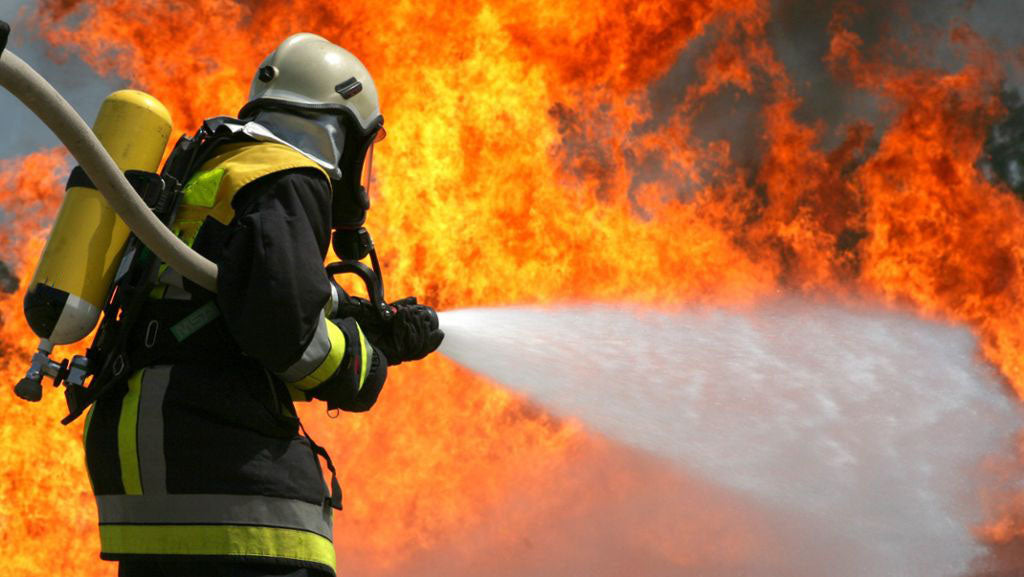
Knowing what to do in the event of a fire can save lives in seconds. To act consciously rather than panic, it's essential to understand how the fire extinguishing process works. In this article, we explain the steps involved in extinguishing a fire step by step and offer valuable information for your safety and the safety of your loved ones.
🧯 1. Recognize Fire – Early Warning Saves Lives
The first and most critical step in firefighting is early detection . Therefore, smoke and heat detectors and automatic fire alarm systems should be used in homes and workplaces.
What should you do?
-
If you see a fire or notice smoke, make an audio warning immediately.
-
If you have an alarm system, activate it immediately.
-
Notify the fire department on 112 / 110
🔍 2. Determine the Source and Type of Fire
Not every fire is extinguished the same way. First, you need to understand the type of fire :
| Fire Class | Type | Example |
|---|---|---|
| Class A | Solids | Paper, wood, fabric |
| Class B | flammable liquids | Gasoline, paint, oil |
| Class C | Gas fires | LPG, natural gas |
| Class D | Metal fires | Aluminum, magnesium |
| Class F | Cooking oils (kitchen) | Deep frying fire |
Why is it important?
Improper intervention can worsen the fire. For example, pouring water on a grease fire can cause a fire explosion.
🧯 3. Use the Right Fire Extinguisher
You've detected the fire and determined its type. Next, it's time to intervene. To do this, you need to choose the right fire extinguisher.
| Fire Class | Suitable Tube |
|---|---|
| A | Dry chemical powder, aqueous system |
| B | Dry chemical powder, foam |
| C | Dry chemical powder (definitely not water!) |
| D | Special metal extinguishers |
| F | Special kitchen type (Wet Chemical) tubes |
Usage Steps (PASS method):
-
P – Pull the pin
-
A – Aim at the base of the flame
-
S – Spray
-
S – Scan from left to right
🚪 4. If the Fire Grows: Evacuation and Confinement Stages
If the fire cannot be brought under control in the first 30 seconds , it must be evacuated immediately.
During evacuation:
-
Close the room where the fire broke out (to prevent the flame from spreading)
-
Cut off electricity and natural gas
-
Use the stairs, not the elevator
-
Crouch forward (smoke accumulates at the top)
-
If you left the building, don't come back!
🧪 5. Final Stage: Post-Fire Control and Notification
If the fire is extinguished, be sure to also complete these steps:
-
Ventilate the area
-
Check for hidden embers or smoke pockets
-
Do not touch electrical installations and appliances
-
Leave the area completely before the fire department arrives
-
Report to authorities
💡 Bonus: Practical Tips for Fire Fighting
-
Water doesn't extinguish every fire! It's especially dangerous to use on oil, electrical, and gas fires.
-
A fire blanket is very useful on small kitchen fires.
-
Fire extinguishers should be replaced at least every 6 years and checked once a year.
-
Those who receive fire training are 3 times more successful in fire response.
🛡️ Final Word: Knowledge is Stronger than Fire
In the event of a fire, awareness prevails, not panic. The firefighting steps outlined above, with simple yet effective information, can protect both you and your loved ones. Remember, firefighting begins in the first 60 seconds—you can either save lives or face a dead end.