Security systems have become essential for businesses and individuals of all sizes today. However, those looking to install a camera system often encounter three distinct technologies: analog, AHD, and IP cameras. While these systems may appear similar, they differ in many ways, from infrastructure and image quality to cost and usage scenarios.
So, what are these camera types? What are the differences between them? Which system is suitable for which needs? We explain it in full detail:
1. Analog Security Cameras
Definition:
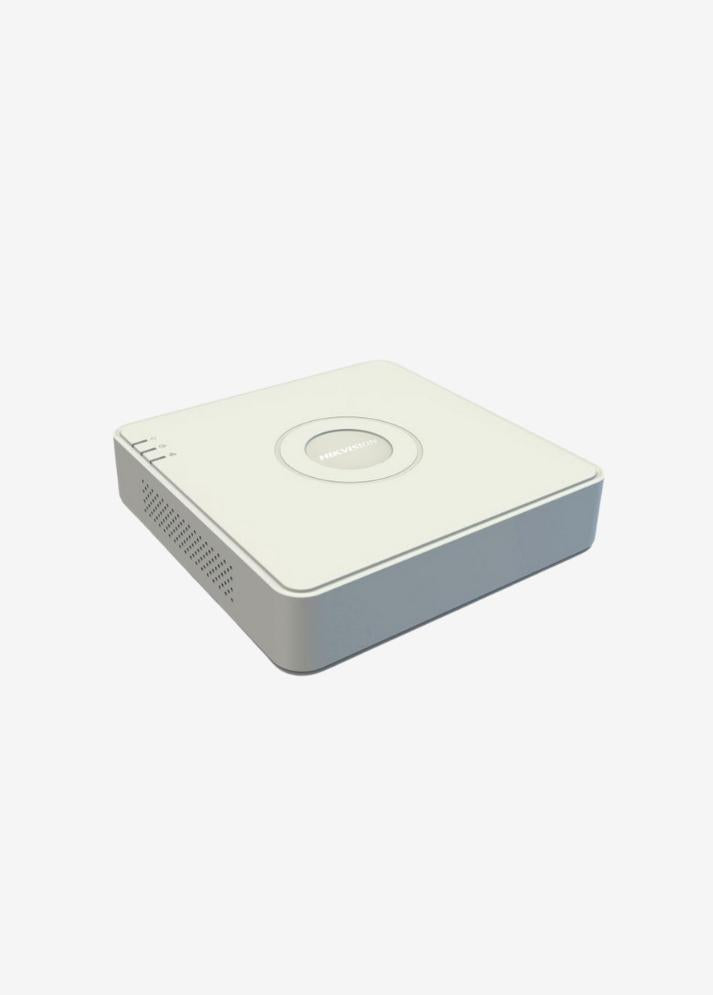
Analog cameras produce an image as an analog signal, which is transmitted via coaxial cable to a DVR (Digital Video Recorder) . The DVR converts this analog signal to digital and records it.
Features:
-
Usually 960H (960x576 pixels) or D1 resolution
-
Transmission is done via coaxial cable (RG59/RG6)
-
Audio and video are carried via separate cables.
-
Uses low bandwidth
-
Easy to install and low cost
Advantages:
✅ Cost-effective
✅ Simple installation
✅ Adequate performance in small spaces
Disadvantages:
❌ Low resolution
❌ Limited image quality
❌ Attenuation may occur over cable distance
❌ It is not a forward-looking system (it is currently in the process of being abandoned)
Areas of Use:
It is preferred for basic security needs such as small-scale offices, detached houses, and parking lot entrances.
2. AHD (Analog High Definition) Security Cameras
Definition:
AHD is a technology capable of transmitting images in HD resolution (720p, 1080p, 5MP, and 8MP) using an analog system infrastructure. It is compatible with older DVR systems and provides high resolution.
Features:
-
It has HD image quality
-
Uses coaxial infrastructure of analog systems
-
Image transmission is possible up to a maximum of 500–800 meters
-
Latency is very low
-
Commonly used with XVR (5in1) recorders
Advantages:
✅ High resolution
✅ Reasonable price / performance ratio
✅ Compatible with existing analog infrastructures
✅ Low latency
Disadvantages:
❌ Limited intelligent analysis support compared to IP systems
❌ Remote access to camera settings can be difficult
❌ Additional cabling may be required for audio
Areas of Use:
Budget-conscious businesses that require high resolution; users who want to upgrade their legacy analog system.
3. IP (Internet Protocol) Security Cameras
Definition:
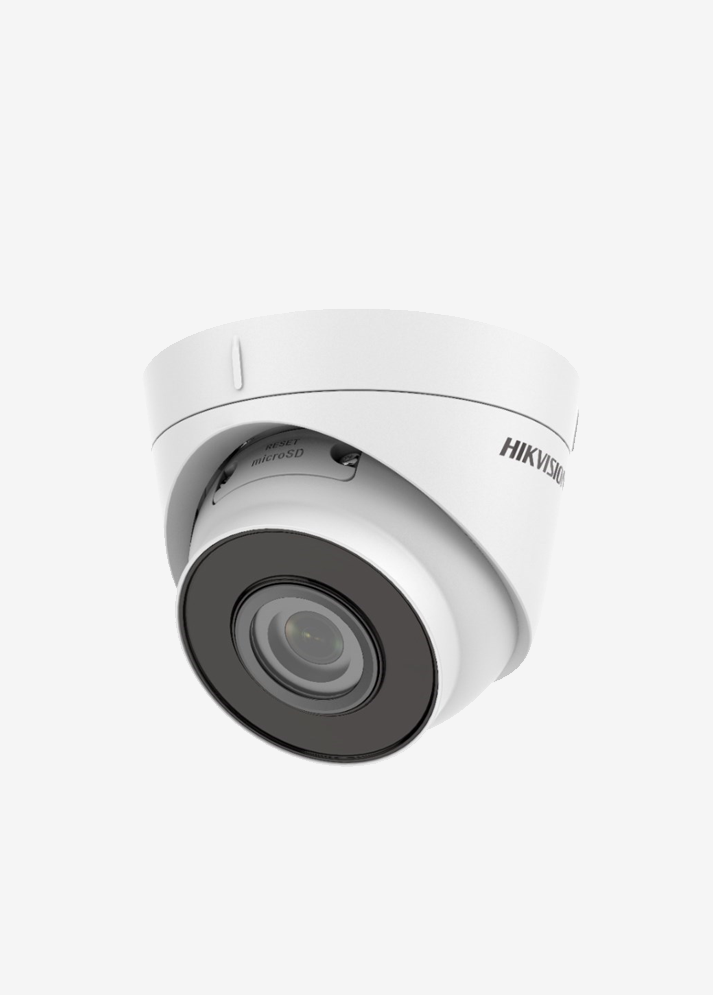
IP cameras process the image digitally and transmit it over the network via Ethernet (Cat6/Cat5e) cable to the NVR or server. Each camera operates with its own IP address.
Features:
-
Resolution goes from 2MP to 12MP and above
-
Audio, video, control and power can be transmitted over a single cable (PoE)
-
Configuration and control are provided over the network
-
Supports advanced features such as artificial intelligence, video analytics, facial recognition, license plate recognition
-
The camera can work independently even without a recorder
Advantages:
✅ Ultra high resolution
✅ Smart analysis and integration support
✅ More flexible infrastructure
✅ Long distance and multi-location support
✅ Simple installation with PoE
Disadvantages:
❌ Installation and configuration require knowledge
❌ High storage and bandwidth requirements
❌ Cost is higher than analog systems
Areas of Use:
IP cameras are preferred in shopping malls, hospitals, factories, schools, city monitoring systems and any area that needs professional security.
Comparison Table: IP – AHD – Analog Cameras
| Feature | Analog Camera | AHD Camera | IP Camera |
|---|---|---|---|
| Resolution | Low (D1, 960H) | Medium – High (HD – 4K) | Very High (HD – 12MP+) |
| Cable Type | Coaxial | Coaxial | Cat5e / Cat6 Ethernet |
| Voice Transport | Additional cable may be required | Additional cable may be required | Can be transmitted on the same cable |
| Recorder | DVR | XVR / DVR | NVR / Server |
| Ease of Installation | Easy | Easy | Medium – Requires knowledge |
| Remote Monitoring | Limited (via recorder) | There is | Advanced (mobile + VMS support) |
| Smart Analysis | None | Annoyed | Advanced (AI, LPR, Face, etc.) |
| Cost | Lowest | Middle | High |
Which Camera System Should You Choose?
🔹 For low-budget, basic security: Analog
🔹 For those who want budget-friendly but HD images: AHD
🔹 For those who need professional monitoring and artificial intelligence: IP
📌 IP cameras are more advantageous for long-term investments and future-proof systems.
Conclusion: The Right Camera System Is The One That Fits Your Needs
The most important factor to consider when choosing a security camera is not the technology itself, but an accurate analysis of your needs . While a simple AHD system may be sufficient, an IP system is sometimes essential for projects requiring detailed analysis.
🛡 With a professional discovery and the right system recommendation;
✔ Can avoid unnecessary expenses
✔ You can build a high-performance system