Motion sensors are one of the most important components of home alarm systems. When used correctly, motion sensors quickly detect unauthorized entries, significantly increasing the effectiveness of the alarm system. This article clearly explains how motion sensors work in home alarm systems, where they are used, and the points to consider.
What is a motion sensor?
A motion sensor is a detector that senses movement within a designated area and sends a signal to the alarm panel.
Home alarm systems are generally designed to detect human movement.
Why are motion sensors important for home security?
Motion sensors:
-
It detects entries made without opening a door or window.
-
It detects unauthorized movement inside the house.
-
It adds a second layer of security to the alarm system.
This ensures that not only the entry points but also the interior space is protected.
Where should motion sensors be installed in homes?
Motion sensors in home alarm systems typically include:
-
Lounge
-
Corridor
-
Entree
-
Areas near the entrance door
They are placed at checkpoints such as these.
The goal is to cover areas that are likely to be walked around inside the house and leave no blind spots.
Should motion sensors be installed in every room?
No.
Installing motion sensors in every room is generally not necessary and can increase the risk of false alarms.
Most of the time in homes:
-
1 or 2 correctly positioned sensors
That will be sufficient. Correct placement is more important than the number of sensors.
Are motion sensors used in homes with pets?
Yes, it can be used seamlessly with the right sensors.
In homes with pets, the following are essential:
-
Pet-immune motion sensors
should be preferred.
These sensors do not detect movements below a certain weight, preventing false alarms.
Can motion sensors give false alarms?
Incorrectly selected or improperly positioned motion sensors can give false alarms.
The main causes of false alarms are:
-
Pets
-
Heater and air conditioner airflow
-
Direct exposure to sunlight
-
Incorrect sensitivity setting.
Professional installation greatly reduces these risks.
Are Wireless Motion Sensors Reliable?
Yes.
Wireless motion sensors currently operate reliably and stably.
Low battery warnings provide advance notice of maintenance needs.
Should motion sensors be active 24/7?
Motion sensors typically:
-
When leaving the house
-
In night mode
-
During vacation or prolonged absence
It is activated.
To avoid unnecessary alarms while at home, the correct alarm mode should be selected.
Can motion sensors replace cameras?
No.
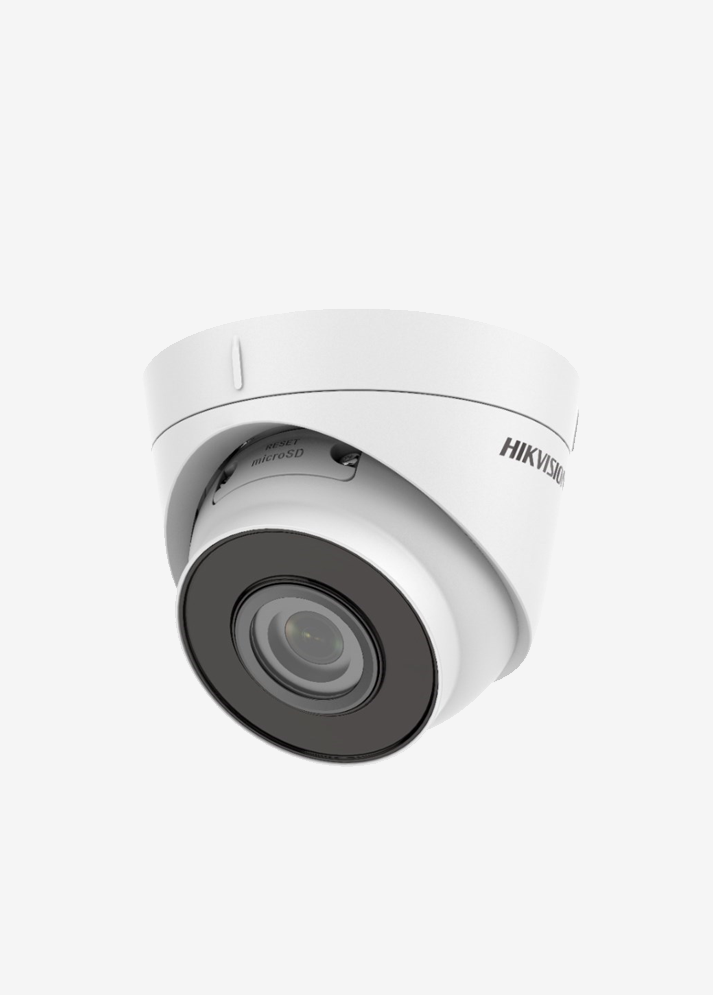
Motion sensors provide detection and alerts, while the camera captures and records images.
The best security is achieved by using motion sensors and camera systems together.
How many motion sensors are sufficient for home alarm systems?
This number varies depending on the size of the house; however:
-
1-2 in small to medium-sized homes
-
In large, multi-story houses, 3 or more
A motion sensor might be sufficient.
What to Consider When Choosing a Motion Sensor?
-
Pet status
-
Sensor's field of view
-
Sensitivity settings
-
Wireless or wired configuration
-
Battery life
These criteria are important for selecting the right sensor.