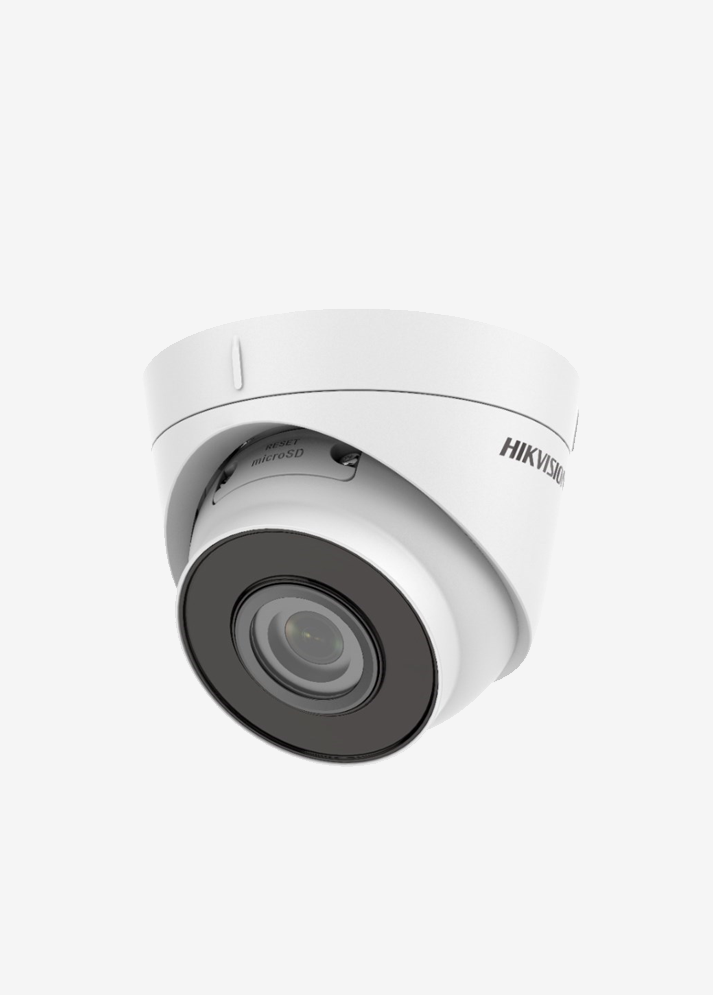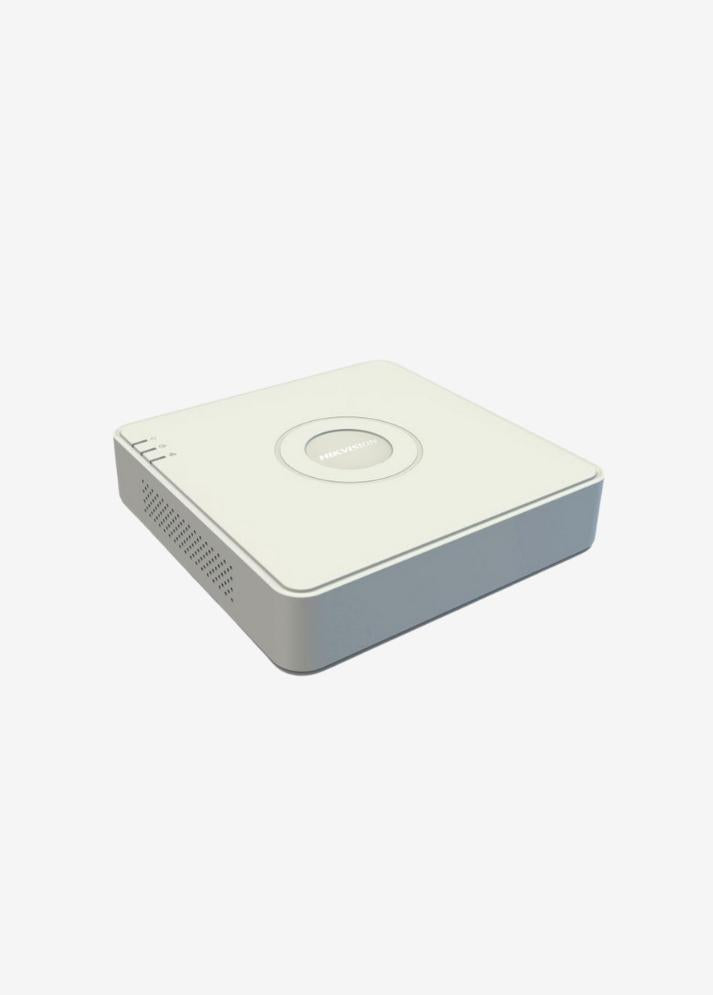
Alarm systems consist of electronic components, and hardware malfunctions can occur over time. Problems originating from sensors, panels, sirens, or power supplies can affect system performance. Early detection and corrective action regarding hardware failures are critical to preventing security vulnerabilities.
Most Common Hardware Failures in Alarm Systems
The most common malfunctions are:
-
Alarm panel malfunction
-
Sensor communication interruption
-
Siren not working.
-
Power adapter malfunction
-
Battery weakness
-
Cable breakage in wired systems
These malfunctions may cause the system to become partially or completely inoperable.
Alarm Panel Malfunction
The control panel is the center of the system. In case of a panel malfunction:
-
No signal may be received from the sensors.
-
Mobile notifications may not be sent.
-
The system may not activate.
Power surges or an aging battery can affect the panel.
Sensor Failures
Sensor-related problems typically include:
-
RF connection drop (in wireless systems)
-
Low battery
-
Physical damage
-
Incorrect calibration.
It occurs due to...
A faulty sensor could leave the affected area unprotected.
Siren Problems
In case of siren malfunction:
-
Even if the alarm is triggered, no audible alert may occur.
This reduces deterrence.
The battery and tamper sensors on external sirens should be checked.
Power Supply Problems
Power adapter or transformer malfunction:
-
The panel is not working.
-
Continuous low voltage warning
That could be the reason.
Using a high-quality power supply is important.
Battery-related malfunctions
Weak or dead battery:
-
The system shuts down in case of a power outage.
-
Continuous error messages are occurring
That could be the reason.
Batteries should be replaced every 3–5 years on average.
Physical Damage in Wired Systems
In wired systems:
-
Cable break
-
Oxidation
-
Loose connection
This can lead to communication errors.
This is especially common in older installations.
RF Signal Problems
In wireless systems:
-
Signal attenuation
-
Frequency interference
-
Anti-jamming activated.
Communication between sensors and the device may be interrupted.
This situation requires technical inspection.
How to Identify Hardware Failure?
Modern alarm systems:
-
It displays an error code.
-
The mobile app gives a warning.
-
It displays a fault notification on the control panel screen.
These warnings should be taken into consideration.
What to do in case of a malfunction?
When a fault is detected:
-
The system needs to be checked.
-
The faulty sensor must be identified.
-
An authorized service technician should be called.
Self-repair may void your warranty in some cases.
How to Prevent Hardware Failures?
To reduce the risk of malfunction:
-
The original sensor should be used.
-
The spare battery should be replaced regularly.
-
Periodic maintenance should be performed.
-
The power line should be protected (UPS recommended).
Regular maintenance extends the life of the system.
Is the Risk Greater for Workplaces?
Yes.
Alarm malfunctions in businesses:
-
It increases the risk of financial loss.
-
It may affect insurance terms.
-
It weakens operational safety.
Therefore, an institutional maintenance agreement is recommended.