Risk management is the process of identifying potential threats in advance and taking preventative measures before damage occurs. Alarm systems are one of the most important technological tools in this process, both in homes and workplaces. Thanks to their early warning, instant notification, and deterrent features, they minimize security risks.
What is risk and why should it be managed?
Risk is the probability of events such as theft, sabotage, fire, gas leaks, or unauthorized access occurring and the damage they could cause. Risk management, on the other hand, is:
Identifying the threat
Reducing the risk of harm.
To shorten the intervention time.
Minimizing loss
It includes the steps.
Risk Reduction Through Early Detection
Alarm systems instantly detect threats using door, window, and motion sensors. This allows for:
The problem is noticed in the initial stages.
Material loss is prevented before it escalates.
Intervention time is shortened.
Early detection is fundamental to risk management.
Deterrence and Probability Reduction
In risk management, it's not just about intervention, but also about reducing the probability of the risk materializing. Alarm system visibility:
It reduces the likelihood of becoming a target.
It shortens the intervention time.
It increases the risk of being caught.
This reduces the likelihood of a threat.
Fire and Technical Risk Control
Alarm systems protect not only against theft, but also:
Smoke detection
Heat sensor
Gas leak detection
Flood detection
It also provides early warning against risks such as these. Thus, operational and structural damages are minimized.
Risk Planning in Corporate Businesses
Risk management is critical in stores, warehouses, factories, and offices. Alarm systems:
It reduces inventory loss.
It prevents unauthorized access.
It supports operational continuity.
It provides advantages in insurance processes.
This is also part of the corporate risk strategy.
Operational Assurance through SLA and Service Plan
Risk management doesn't end with device installation. Thanks to Service Level Agreements (SLAs) and periodic maintenance plans:
Downtime is minimized.
System continuity is ensured.
The risk of interruptions is reduced.
This approach keeps operational risks under control.
Multilayered Security Strategy
Alarm systems are not the only layer in risk management. For maximum protection:
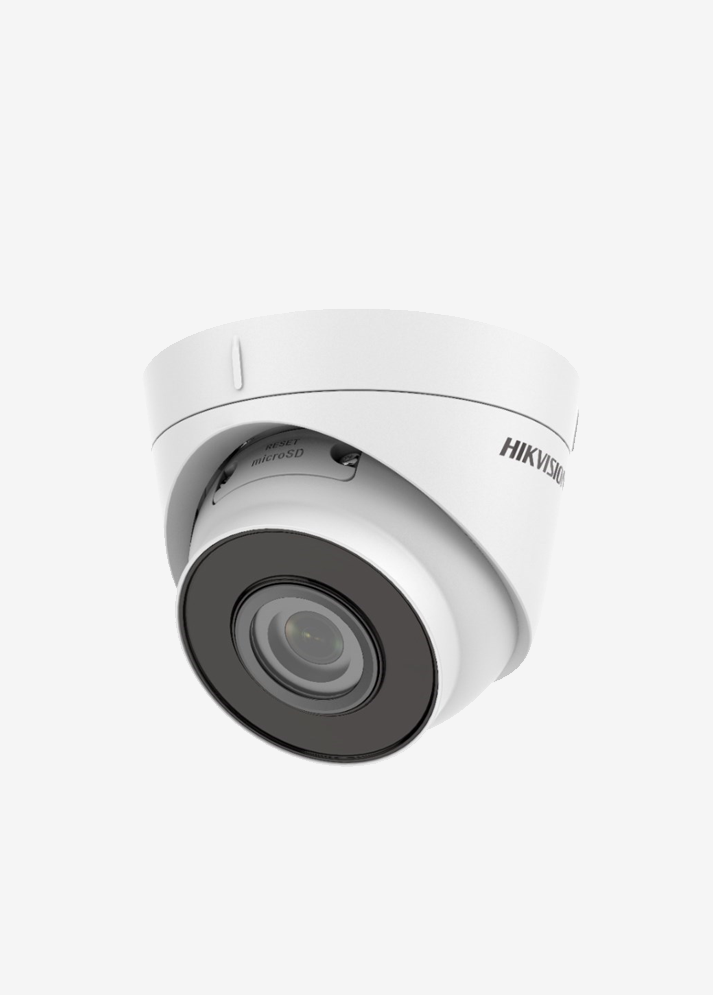
Camera system
Access control
Physical security measures
Lighting systems
It should be planned together.
Conclusion: An Effective Way to Reduce Risks
Alarm systems are a fundamental element of risk management, both by reducing the probability of an incident and by enabling early intervention. The goal in security is not to eliminate risk entirely, but to reduce it to an acceptable level. A well-planned alarm system is a powerful tool in achieving this goal.