A crisis situation encompasses sudden and risky events such as theft, fire, sabotage, threats, or technical malfunctions. Time is of the essence during these moments. Alarm systems, through their early warning and rapid notification mechanisms, help control crisis management and accelerate the response process.
Catching the Crisis at the Beginning Through Early Detection
Alarm systems;
Door and window sensors
motion detectors
Glass break sensors
Smoke and gas detectors
It detects the event in the first few seconds. Early detection prevents the crisis from escalating.
Instant Notifications and Quick Decisions
When the alarm is triggered:
The siren activates.
Mobile notification will be sent.
GSM calls can be made.
The monitoring center is informed.
This process happens in seconds, shortening decision-making time.
Get instant support with the Panic Button.
The ability to manually intervene during a crisis is also important. Thanks to the panic button:
The alarm is triggered with a single button press.
A silent alarm can be sent.
Security forces can be notified.
This feature is especially vital in workplaces.
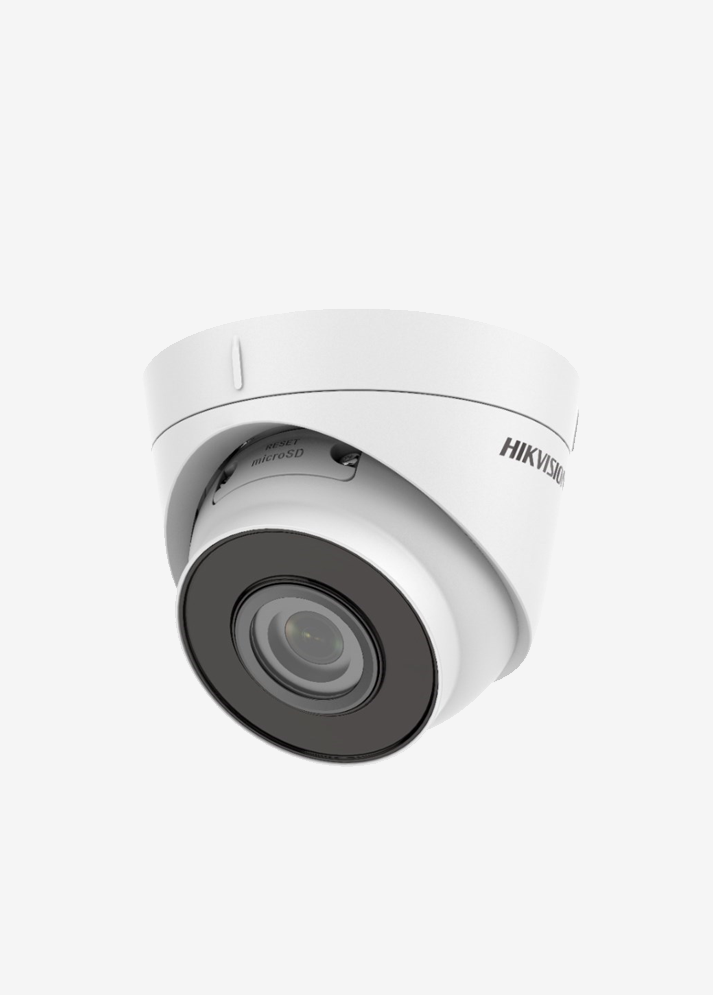
Status Verification via Camera Integration
If the alarm system works in conjunction with cameras, in case of a crisis:
Live view is checked.
The veracity of the event is confirmed.
The correct intervention decision is made.
This integration reduces panic caused by false alarms.
Fire and Technical Crisis Management
Thanks to smoke and gas sensors:
Fire outbreaks are detected early.
The evacuation process will speed up.
Loss of life and property is minimized.
The alarm system is the automatic starting point for crisis management.
Power Outages and Sabotage Cases
Thanks to its internal battery and tamper protection, the system continues to operate even during power outages. It generates an alarm if the panel cover is opened or a cable is cut.
The Importance of SLAs in Corporate Businesses
Rapid service response is essential during a crisis. In businesses with Service Level Agreements (SLAs), response times are predetermined, minimizing downtime.
Psychological Control and Composure
In an environment equipped with an alarm system, panic levels are lower during a crisis because the system automatically initiates the process and gives the user a sense of control.
Conclusion: The key to managing a crisis is early warning.
Alarm systems save valuable time during crises. Early detection, instant notification, and automated scenario management allow events to be brought under control before they escalate. Speed is the most important element in crisis management; alarm systems provide this speed.