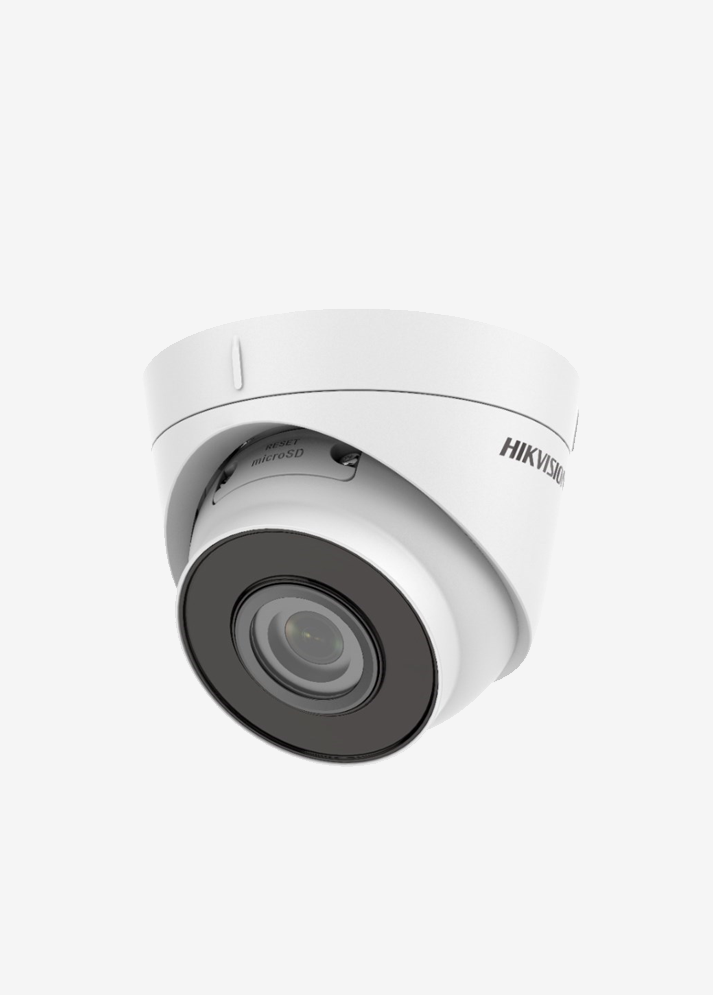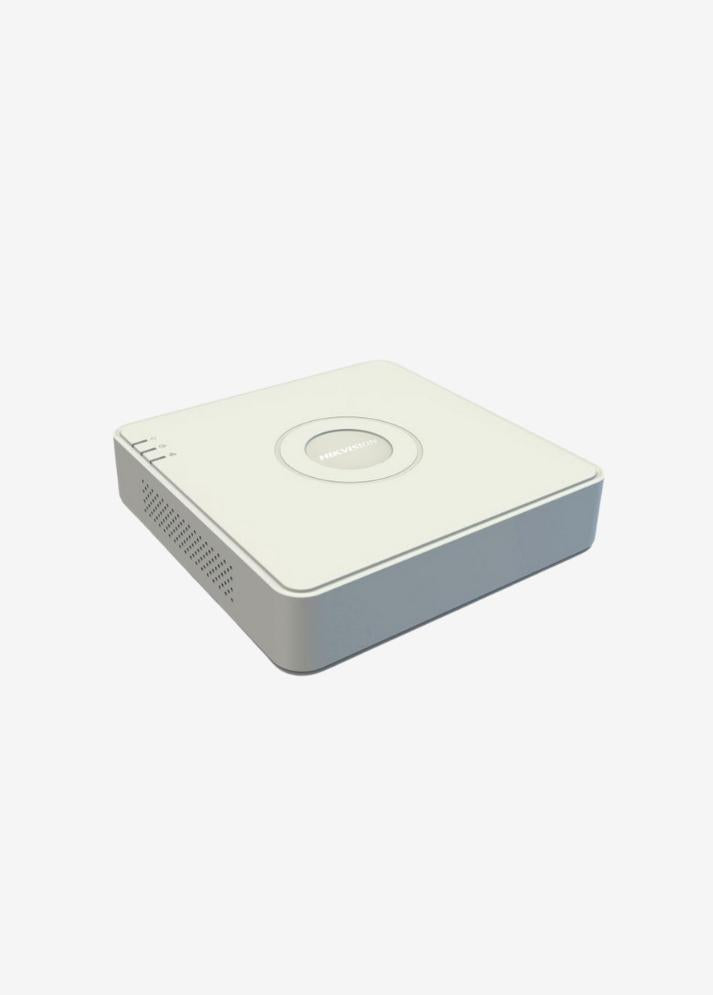
A risk analysis conducted before installing an alarm system is the most critical step for proper security planning. Instead of randomly selecting sensors and panel configurations, a threat assessment specific to the location should be carried out. Accurate analysis optimizes costs and provides maximum protection.
What is Risk Analysis?
Risk analysis is the process of identifying potential threats, detecting vulnerabilities, and planning appropriate security solutions. The goal is not to eliminate risk entirely, but to reduce it to an acceptable level.
Type of Venue and Purpose of Use
The risk profile varies for different areas such as homes, offices, warehouses, or factories. During the analysis:
Residential or commercial?
Is it empty at night?
Do you have any valuable equipment or inventory?
Questions like these should be considered.
Identifying Physical Weaknesses
During a risk analysis, the following areas are examined:
Number of doors and windows
Balcony and rear entrances
blind spots
Ambient lighting conditions
These points directly affect sensor planning.
Environmental Risk Factors
Neighborhood safety, surrounding building density, and past events should also be analyzed. Risk levels are generally higher in isolated areas.
Technical Infrastructure Assessment
Technical specifications should be checked before installation:
electricity infrastructure
Internet connection
GSM coverage status
Panel placement area
These details affect system performance.
Which Sensors Are Needed?
According to the risk analysis, the following equipment can be planned:
Door/window magnetic contact
motion sensor
Glass break sensor
Smoke or gas detector
Panic button
The same equipment is not suitable for every venue.
Scalability Planning
Future expansion of the area or the need for additional security may arise. Therefore, panel capacity and modular design should be taken into consideration.
Why is a professional consultation important?
On-site inspection by expert team:
It ensures correct sensor placement.
It leaves no blind spots.
It reduces the risk of false alarms.
It avoids unnecessary costs.
This process determines the success of the installation.
Conclusion: Correct Analysis, Correct Security
A risk analysis conducted before installing an alarm system is fundamental to security. A planned and professional approach ensures maximum protection and efficient budget utilization. Security investment begins with accurate analysis.