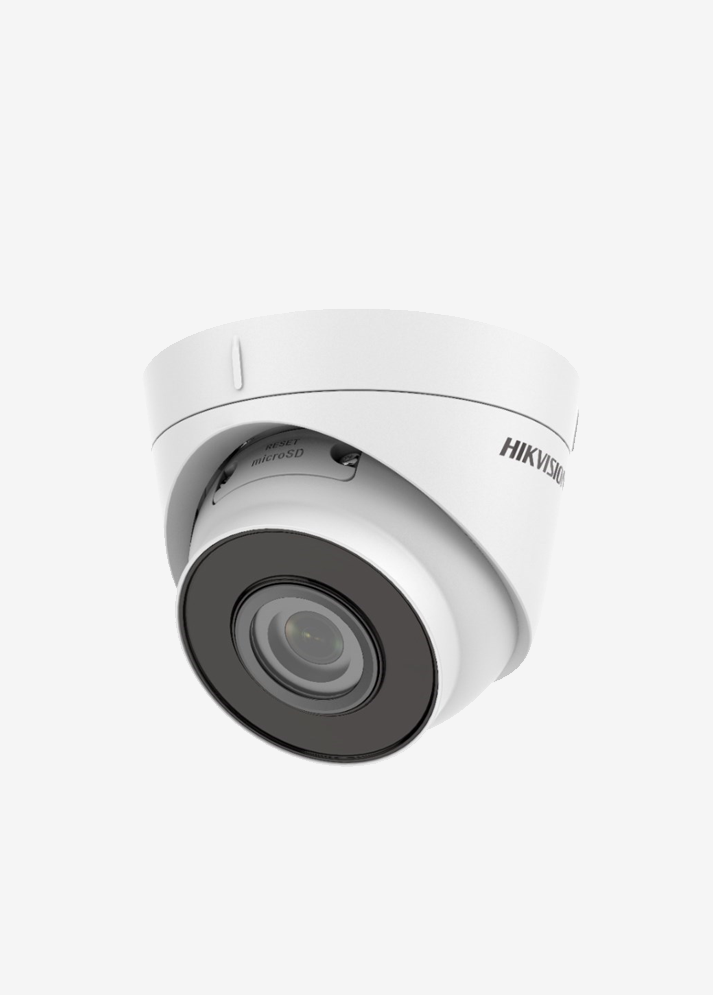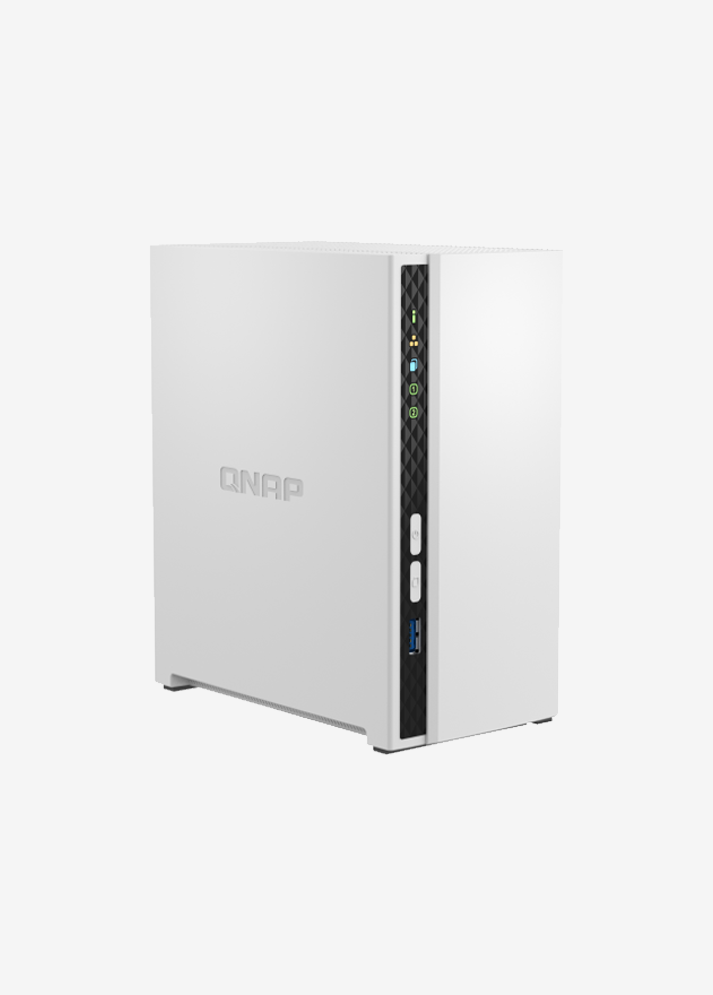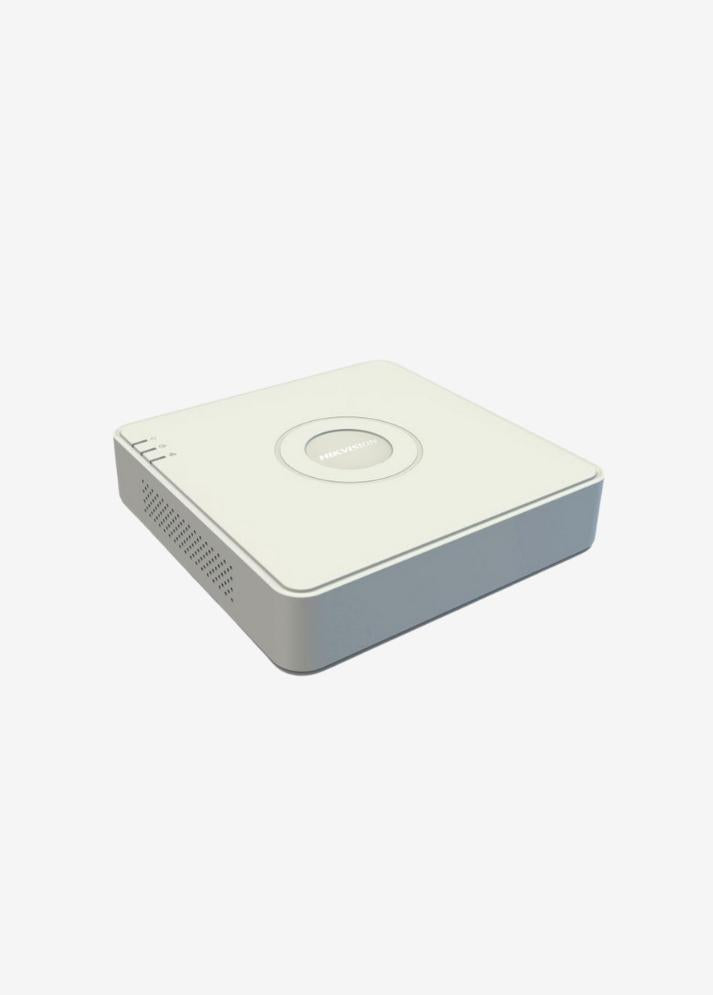

IP-based camera systems aren't limited to simply recording video; they also include network transmission, management, control, and analysis. The network protocols used in these processes ensure reliable communication between cameras and both NVR/DVR devices and monitoring and recording software.
So how does an IP camera system work on a network? What protocols are used? Here are the network protocols used in camera systems in full detail:
1. RTSP (Real-Time Streaming Protocol)
Duty:
It is used to transmit real-time video stream from camera to media player or recording system.
Features:
-
Carries compressed video stream like H.264, H.265
-
Most ONVIF supported cameras can be monitored via RTSP
-
Supported by mobile and PC-based monitoring software
📌 Example usage:
Watching camera feed with VLC media player:
rtsp://kullanici:şifre@kameraIP:554/stream
2. ONVIF (Open Network Video Interface Forum)
Duty:
It enables cameras and recording devices from different brands to work with a common communication protocol .
Features:
-
Offers brand-independent IP camera – NVR compatibility
-
It includes operations such as camera discovery, configuration, stream acquisition, PTZ control.
-
Profile has sub-profiles such as S (stream), G (recording), T (analytics)
📌 Advantage:
Different brands such as Hikvision, Dahua, Uniview can work integrated in the same software.
3. HTTP / HTTPS (HyperText Transfer Protocol)
Duty:
Used to access the camera's web interface, adjust its settings and send commands.
Features:
-
Provides camera access via web browser
-
Encrypted and secure communication is established with HTTPS
-
Camera updates and API connections work over this protocol
📌 Usage example:
http://192.168.1.100:80 or https://192.168.1.100:443
4. TCP/IP and UDP (Transmission Control Protocol / User Datagram Protocol)
Duty:
Provides basic data communication of IP cameras over the network.
Differences:
-
TCP: Data security is the priority, performs connection control (e.g. camera configuration)
-
UDP: Speed is priority, used for video streaming (e.g. live viewing)
📌 UDP is preferred to reduce video latency, but there is a risk of data loss.
5. DHCP (Dynamic Host Configuration Protocol)
Duty:
It allows the camera to obtain its IP address automatically.
Features:
-
IP is automatically assigned when the camera is first turned on.
-
If DHCP is disabled, the camera will boot with the default static IP
-
Provides centralized IP management
📌 Recommendation: It is recommended to use fixed IPs (static IP) in projects.
6. SNMP (Simple Network Management Protocol)
Duty:
It allows monitoring the health and performance of the camera on the network.
Features:
-
Provides integration with network management software
-
Data such as camera on/off status, IP change, connection status can be collected
-
Especially preferred in corporate networks
7. NTP (Network Time Protocol)
Duty:
Synchronizes the system time of all devices.
Features:
-
Required for accurate recording times
-
Time synchronization of devices such as cameras, NVRs, and VMS is ensured.
-
Time can be obtained from the central time server
📌 It is especially critical for accurate timestamping in event logs.
8. SMTP (Simple Mail Transfer Protocol)
Duty:
Used to send email notification when alarm occurs from camera.
Features:
-
An e-mail can be sent to the user when motion is detected.
-
Email services such as Gmail and Yandex can be integrated
-
SSL/TLS encryption supported
📌 The email alert feature will not work without SMTP settings.
9. FTP (File Transfer Protocol)
Duty:
It allows automatic transfer of camera images or screenshots to an FTP server.
Features:
-
An image can be sent when an alarm is triggered.
-
Video or image files are archived via FTP
-
Daily based foldering can be done
10. IGMP (Internet Group Management Protocol)
Duty:
Controls the data flow for multicast broadcasts.
Features:
-
It is especially used in video wall systems.
-
Allows video streaming to multiple devices simultaneously
-
Optimizes network traffic
📌 IGMP snooping feature must be enabled in the switch configuration.
Result: Correct Protocol, Healthy Camera System
The protocols used in camera systems directly impact not only device communication but also many other functions, including security, speed, stability, and remote management . As the project grows, the importance of protocol selection becomes even greater.
✅ RTSP + HTTP may be sufficient for small-scale systems
✅ Additional protocols such as ONVIF, SNMP, NTP, IGMP are inevitable in corporate systems.
✅ For security reasons, structures such as HTTPS, SSL, user authorization should always be used.