
What is CCTV?
CCTV ( Closed Circuit Television) is a general term for security technologies used to record, monitor, and, if necessary, analyze images from a specific area. The term "closed circuit" indicates that the images are not broadcast publicly; they are transmitted only to authorized individuals, devices, or systems.
Today, CCTV systems play a critical role not only in preventing theft , but also in many areas such as operational efficiency , legal evidence , remote monitoring , workplace safety , and even customer experience .
How do CCTV systems work?
A CCTV system basically consists of the following components:
-
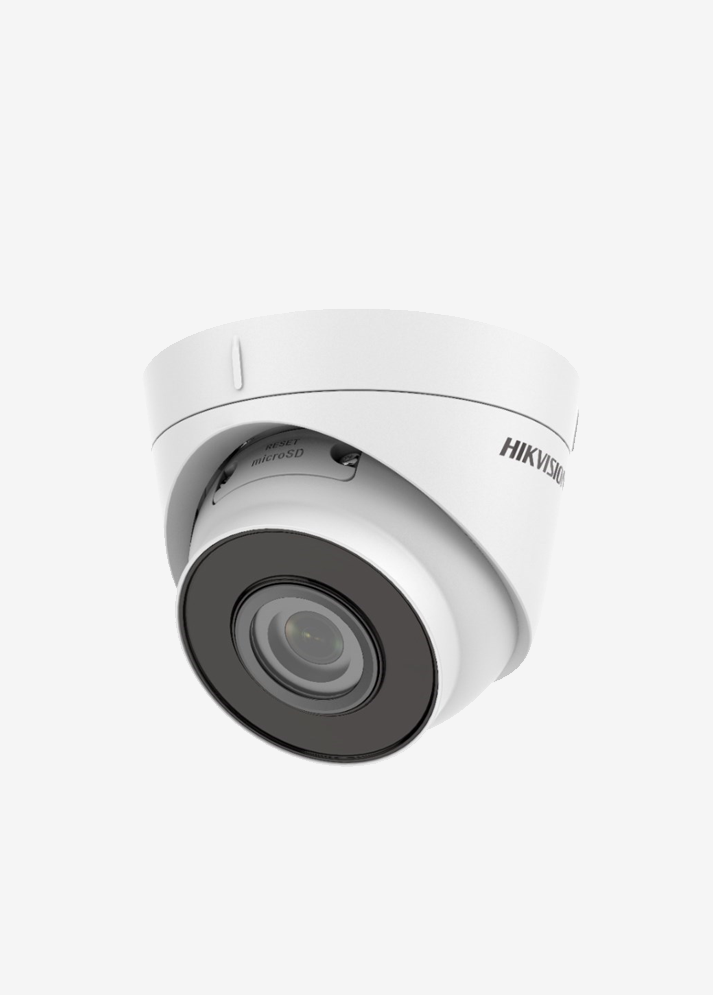
Camera: Captures the image (analog, IP, thermal, fisheye, etc.)
-
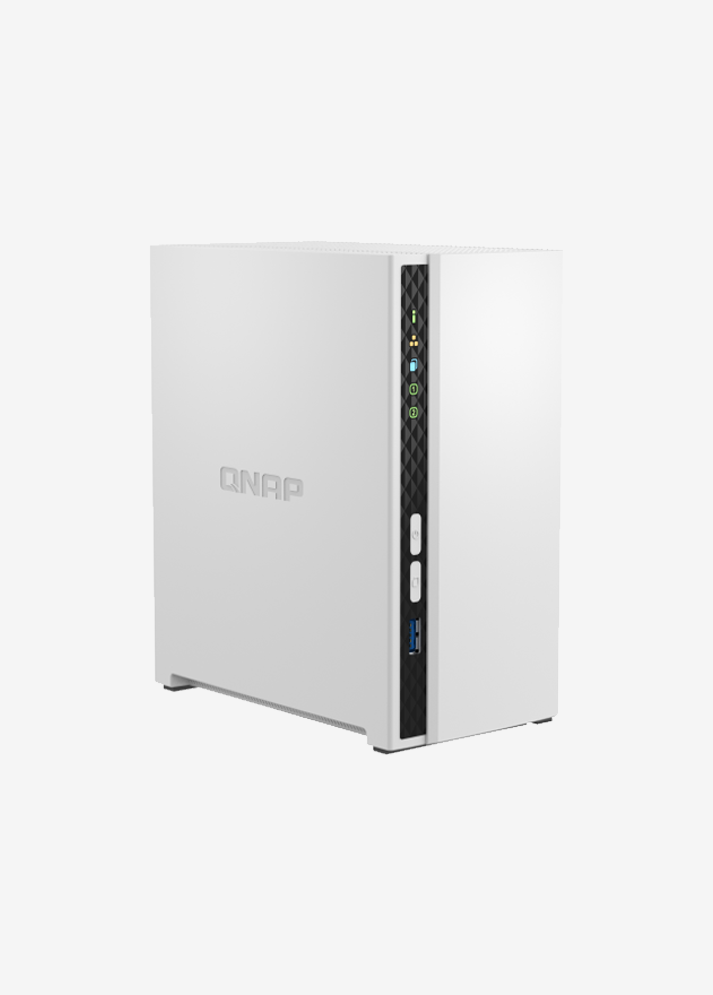
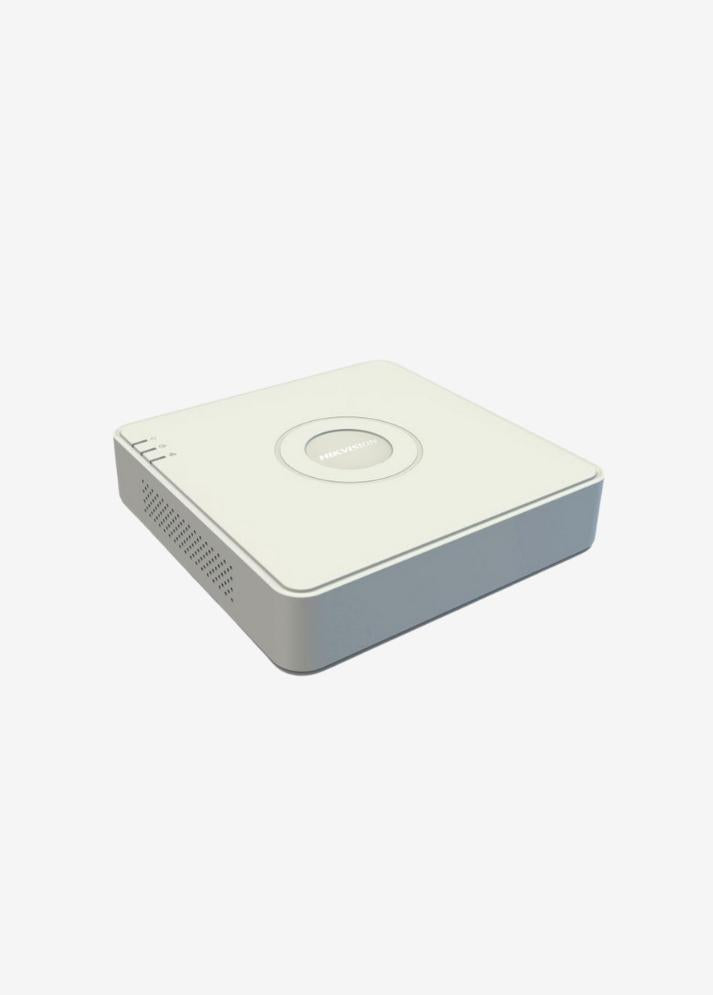
Recording Device (DVR / NVR): Stores images digitally.
-
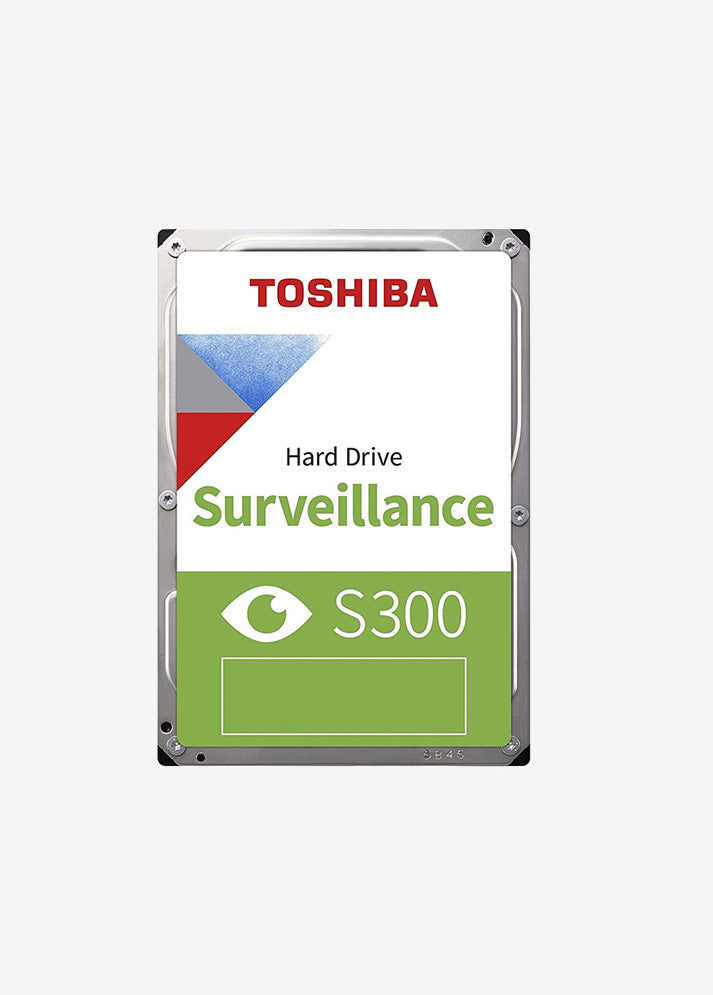
Storage Unit (HDD/SSD): Determines the recording time.
-
Network Infrastructure: Wired (Ethernet, coaxial) or wireless transmission.
-
Software (VMS): Live monitoring, playback, analytics, and reporting.
-
Display Device: Monitor, mobile application, or web interface
The system transmits the camera's image to the recording device; users can access this footage in real-time or retrospectively .
Types of CCTV Cameras
The CCTV world is not monolithic. Different camera types are used depending on the need:
🔹 Analog Cameras
-
More economical solutions
-
Sufficient for small and medium-sized areas.
-
Works with DVR
🔹 IP Cameras
-
High resolution (Full HD, 4K)
-
Data transmission over the network
-
Intelligent analytics features (human detection, license plate recognition, etc.)
-
Works with NVR
🔹 PTZ Cameras
-
It can turn left and right, and zoom in.
-
Ideal for large areas (plazas, factories, parking lots)
🔹 Thermal Cameras
-
It detects temperature differences.
-
It operates in difficult conditions such as at night, in fog, and in smoke.
-
Used in fire and border security.
What does CCTV stand for and what is its basic function?
CCTV is an abbreviation for "Closed Circuit Television," which translates to "Closed Circuit Television" in Turkish. As the name suggests, in this system, images are transmitted within a closed circuit accessible only to authorized personnel, rather than on a public television broadcast.
Basic components of a CCTV system
Cameras: These are devices that capture images.
Recording Device (DVR/NVR): It is a device that records and stores images from cameras.
Monitor: This is the screen where recorded or live images are viewed.
Cables and Connections: These are the cables that connect the cameras to the recording device and monitor.
Power supply: It is the source that provides the energy necessary for the system to operate.
Areas of application for CCTV
CCTV systems are used in various fields for security and surveillance purposes:
Houses: It is used to prevent and deter crimes such as theft and robbery.
Workplaces: It is used for purposes such as personnel tracking, theft prevention, and monitoring production processes.
Schools: It is used for purposes such as student safety and maintaining school discipline.
Hospitals: It is used for purposes such as patient and staff safety and monitoring emergencies.
Traffic: It is used for purposes such as monitoring traffic flow, detecting traffic accidents, and identifying traffic violations.
Public Spaces: They are used in public areas such as parks and squares to ensure security and prevent crime.
The benefits of CCTV
- Deterrence : It deters individuals who intend to commit crimes.
- Providing Evidence : It can be used as evidence in cases such as crimes and accidents.
- Surveillance and Monitoring : Ensures continuous monitoring and tracking of the area.
- Security : It makes people feel safer.
Types of CCTV cameras
- Analog CCTV : An older technology that operates using analog signals.
- Digital CCTV (IP CCTV) : A newer technology that operates with digital signals and offers access over the internet.
CCTV systems are becoming more advanced with the development of technology. For example, AI-powered CCTV systems offer more effective security by providing features such as facial recognition and object recognition.
Where are CCTV cameras used?
The areas of application for CCTV systems are expanding every day:
-
🏠 Houses & Complexes
-
🏢 Offices & Plazas
-
🏭 Factories & Warehouses
-
🏥 Hospitals
-
🏫 Schools
-
🛒 Stores & Shopping Malls
-
🚚 Logistics & Cargo Centers
-
🏖 Open Areas (Beach, Parking Lot, Construction Site)
Especially in commercial settings, CCTV is indispensable not only for security but also for process monitoring and performance analysis .